

Define the product
Finished-product type, capacity or dimensions, structure and intended use.
Define your lunch box format, dimensions, materials and production target. Explore the equipment and supporting stages for your project.
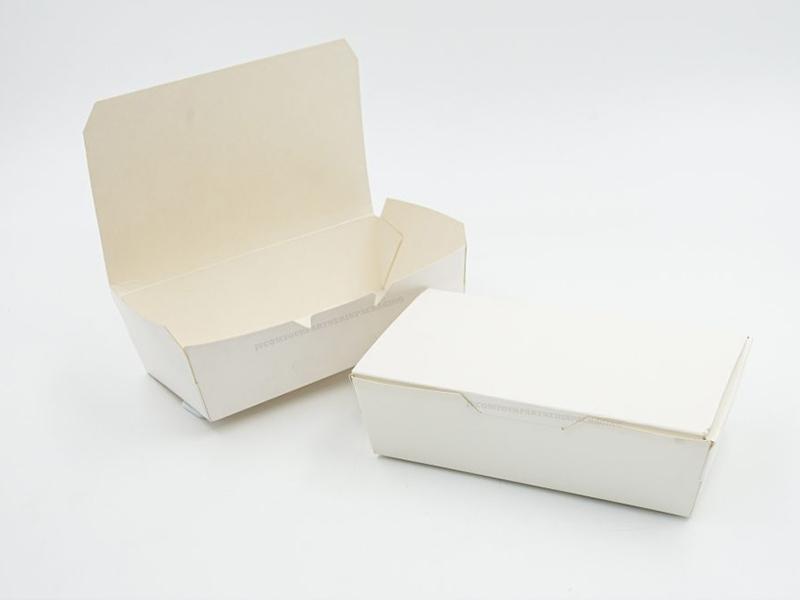
Share what you know now. Dimensions, materials and output help define the configuration.
Finished-product type, capacity or dimensions, structure and intended use.
Required output with its unit, paper specification and operating shifts if known.
Prepared materials or raw paper; available equipment, inspection and packing needs.
Explore existing examples, then confirm your dimensions, structure and materials.
Review the existing recommended models. Final suitability depends on the agreed product, material, tooling and output.
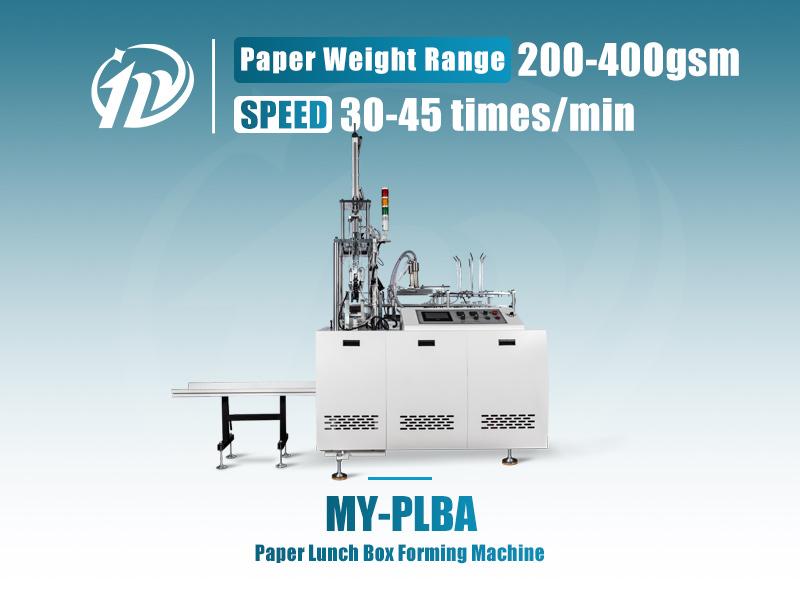
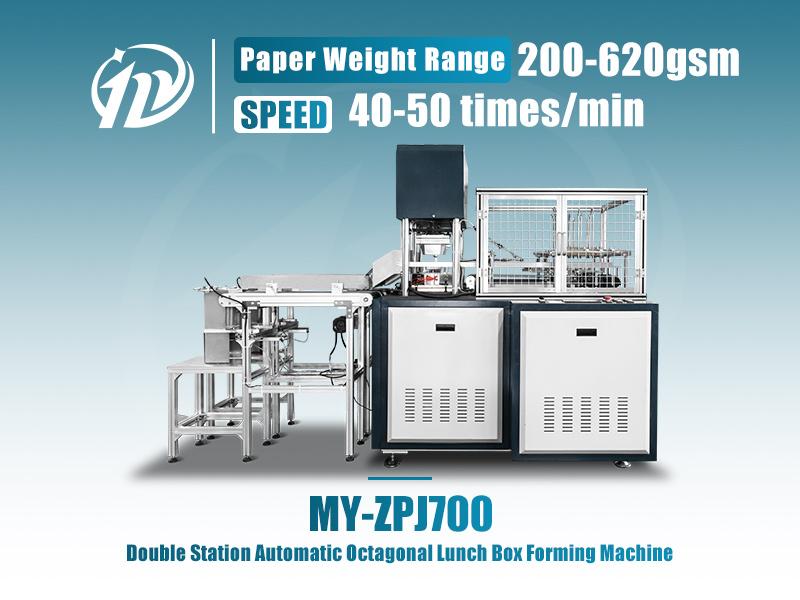
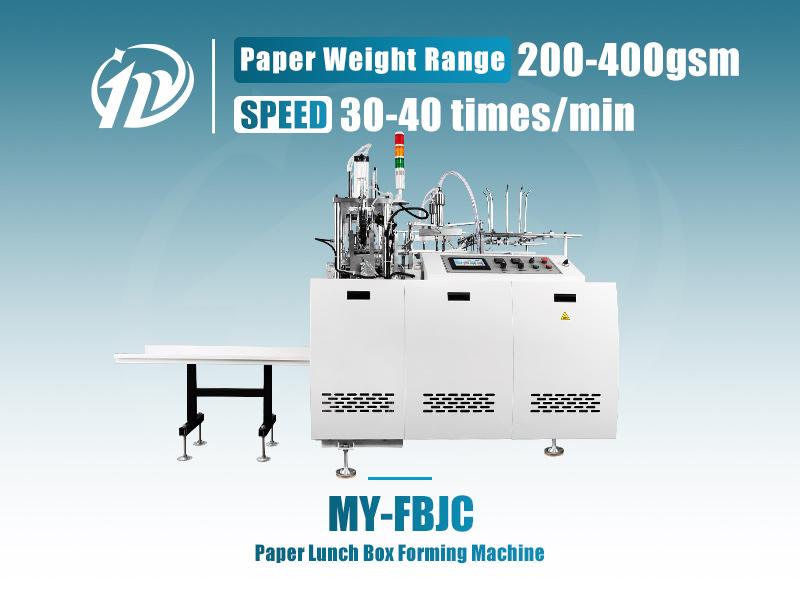
Paper lunch box solutions:
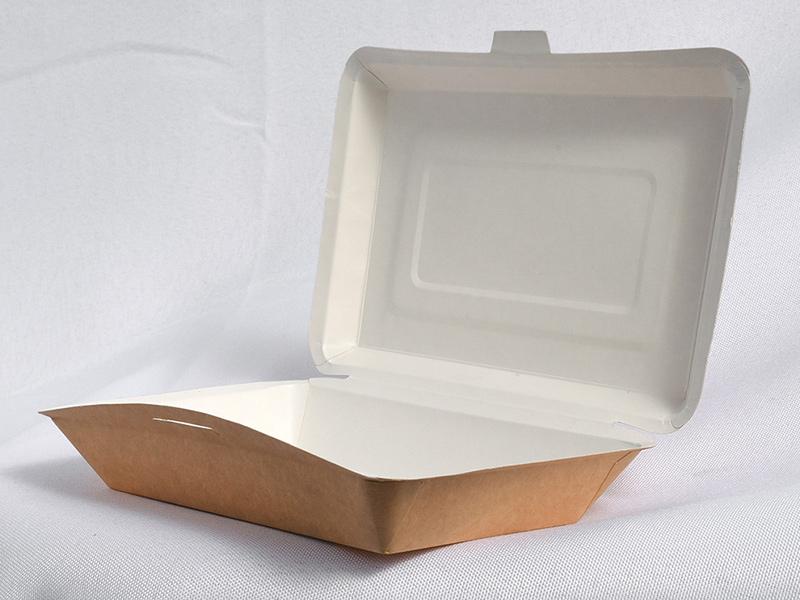
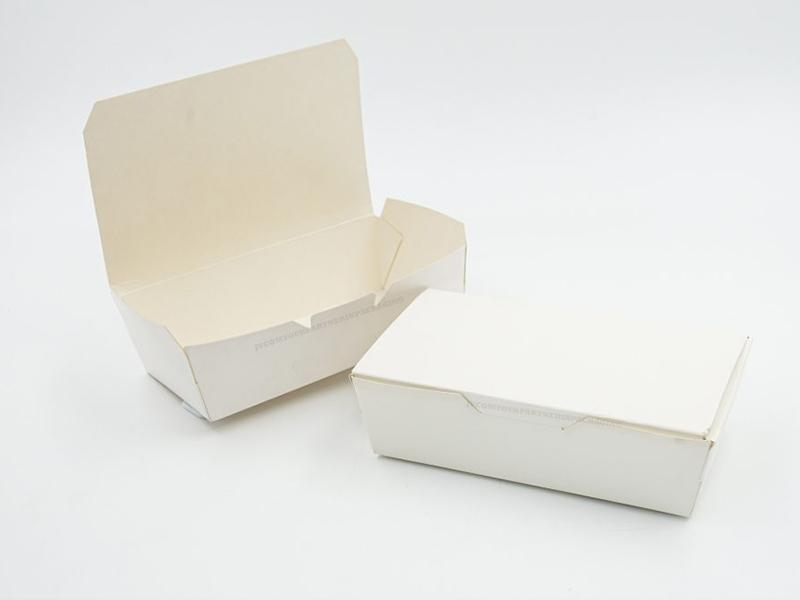
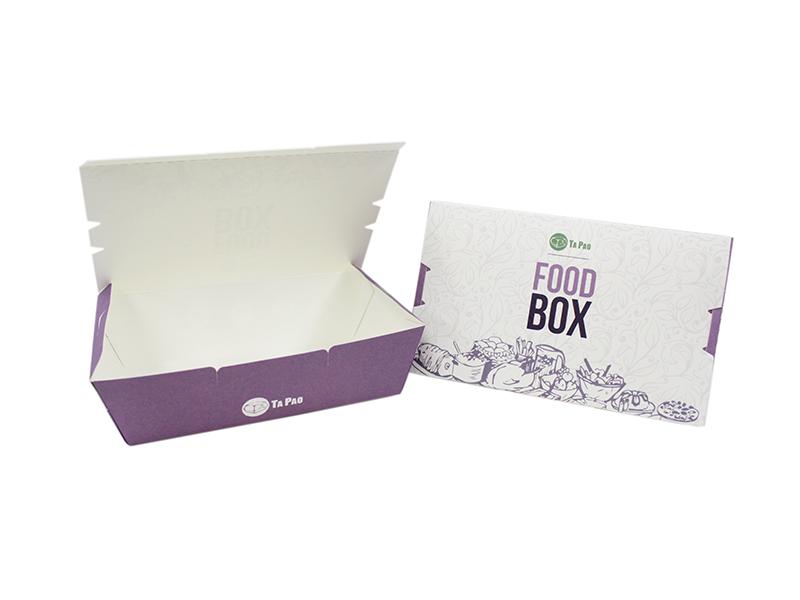
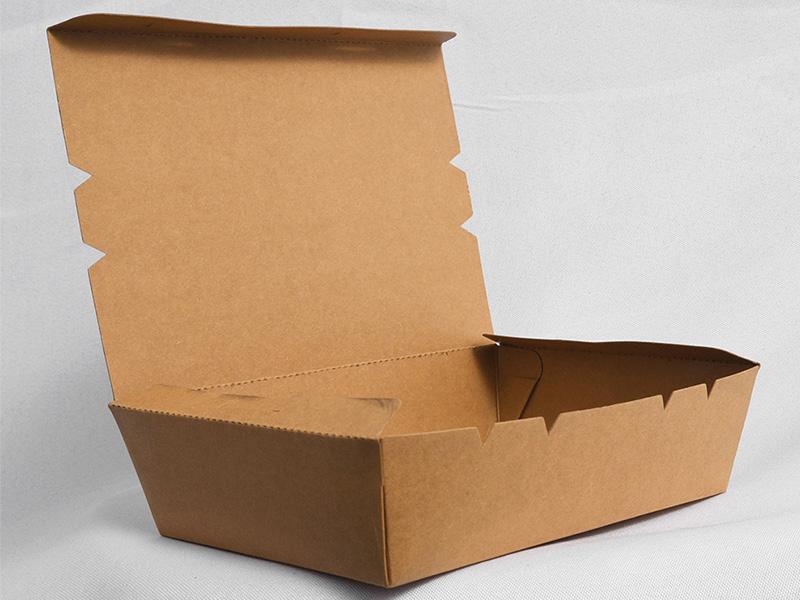
Disposable single-compartment lunch boxes are environmentally friendly food containers widely used in fast food, takeout, and food delivery. Compared to plastic containers, paper containers are more biodegradable, odorless, and suitable for direct food contact, making them well-suited to the current global trend toward eco-friendly packaging.
Mingyuan Machinery provides complete production solutions based on the different needs of customers, helping companies quickly build paper lunch box production lines.
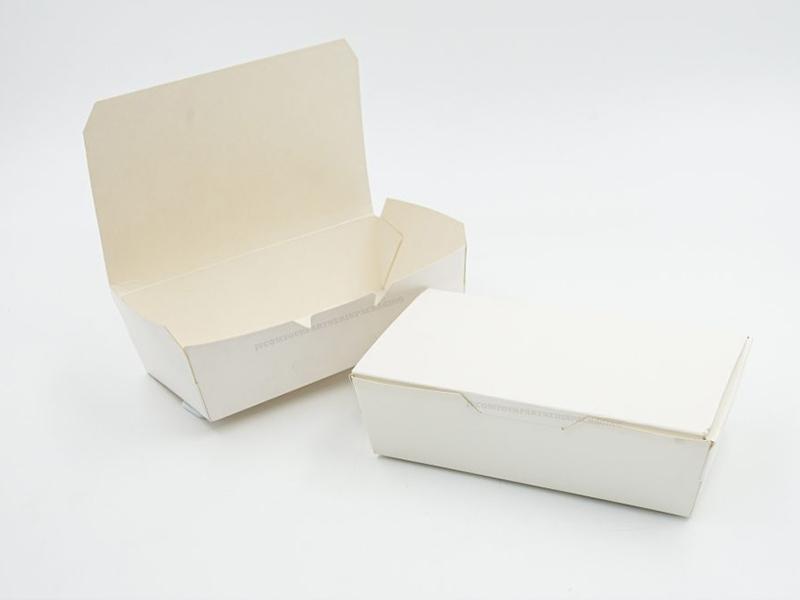
Structure and Materials:
Structural Features: Single-compartment design, suitable for storing a variety of food items, including meals, staples, and snacks. The integral molding provides excellent stiffness and oil resistance.
Applicable Materials: Single PE-coated paper, double PE-coated paper, and PLA-coated paper, typically with a grammage range of 210–330 gsm.
Performance: Oil- and water-resistant, heat-resistant (up to 90°C), while maintaining a smooth appearance.
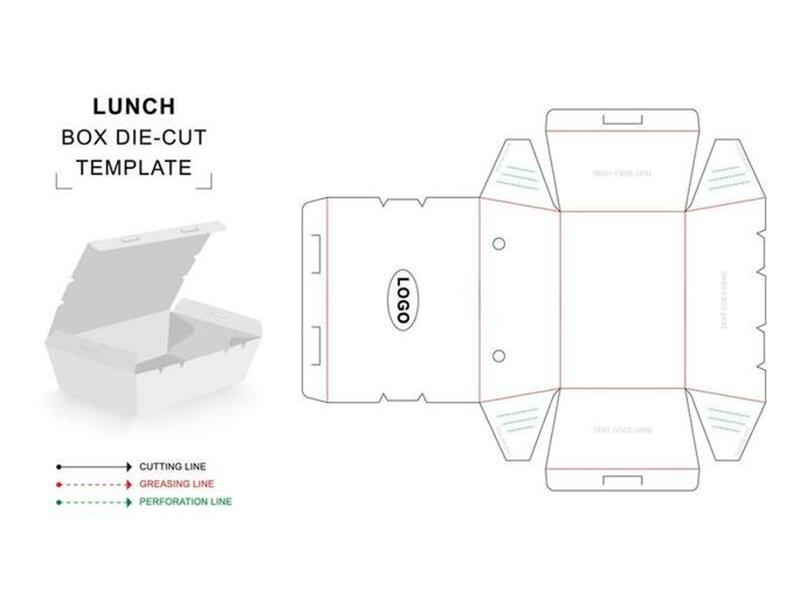
Production Process and Main Equipment
1.Paper Pre-processing - slitting, printing, and die-cutting the base paper into paper sheets for lunch boxes;
2.Thermoforming - Heat-forming through a mold ensures the edges and corners of the lunch boxes are tightly bonded;
3.Stacking and Counting - Automatically collect finished products to improve packaging efficiency.
Mingyuan Machinery can customize molds and automated equipment configurations according to the customer's lunch box size and shape, supporting the production of single-compartment lunch boxes of multiple specifications.
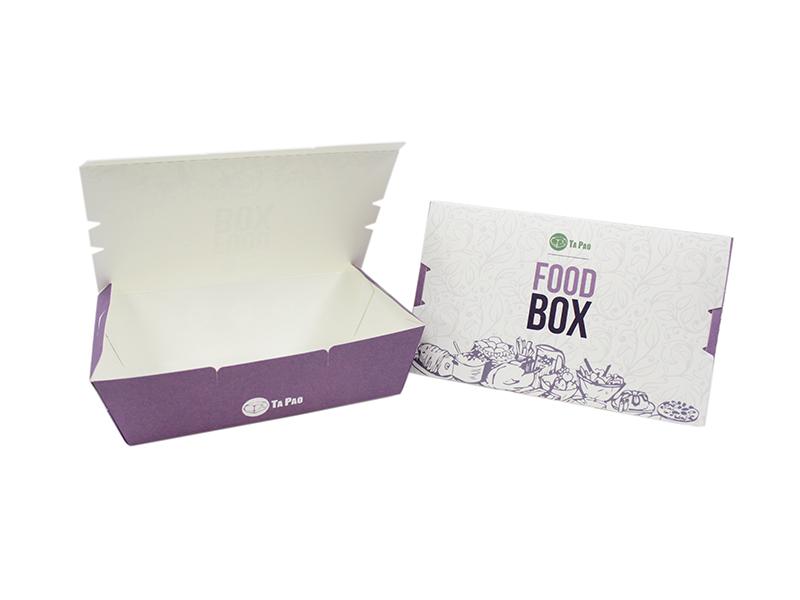
A complete equipment scope depends on the product you choose and the materials or equipment already available.
Confirm the dimensions, structure and material requirements.
Discuss prepared blanks or any printing and cutting stages required.
Review the matching machine, tooling and agreed operating conditions.
Confirm inspection, collection and packing requirements.
Share your product, size and production target. We’ll help clarify the equipment scope.
Tell us what you want to produce. We can discuss the forming machine and the connected equipment around your project.
Not sure about the specifications yet? Start with the finished product.
Start with the cup structure, dimensions, paper and output target. The forming machine and any connected equipment can then be discussed.
It depends on your starting material. A business buying ready-made cup fans has a different equipment scope from one preparing fans from paper rolls.
Double wall projects need the inner cup and outer sleeve to match. Confirm the forming and sleeving combination for the selected cup.
Confirm the cup, material, tooling, run conditions and accepted output. Forming speed and packaging speed are different measures.

Tel: +86-13362708280
Email: george@paper-cupmakingmachine.com
MP/WhatsApp: +86-13362708280
Manufacturer Address:No.1588, Huaming Road, Feiyun Street,Ruian City Zhejiang Province -325200 China



Share the product, size and output you need.
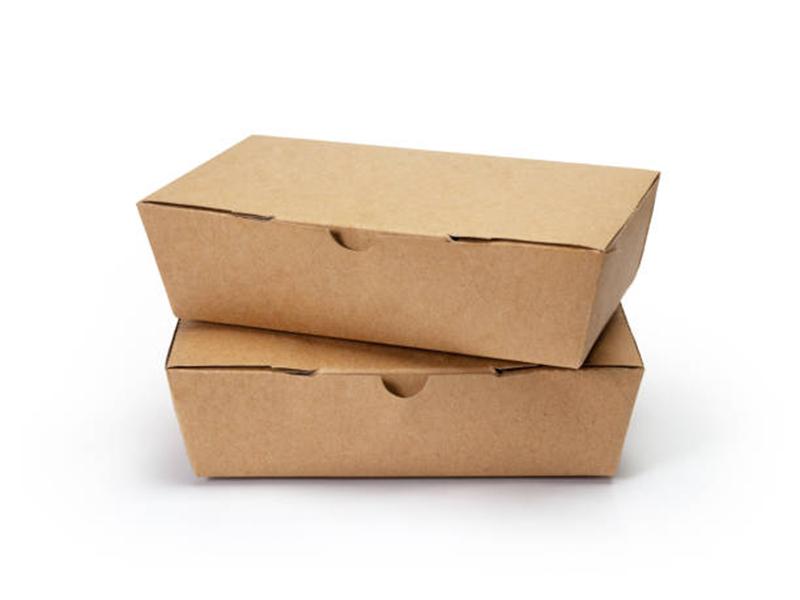
 Tel: +86-13362708280
 Email: george@paper-cupmakingmachine.com
 MP/WhatsApp: +86-13362708280
 Manufacturer Address:No.1588, Huaming Road, Feiyun Street,Ruian City Zhejiang Province -325200 China
