

Define the product
Finished-product type, capacity or dimensions, structure and intended use.
Define your fruit bowl format, dimensions, materials and production target. Explore the equipment and supporting stages for your project.
Share what you know now. Dimensions, materials and output help define the configuration.
Finished-product type, capacity or dimensions, structure and intended use.
Required output with its unit, paper specification and operating shifts if known.
Prepared materials or raw paper; available equipment, inspection and packing needs.
Explore existing examples, then confirm your dimensions, structure and materials.
Review the existing recommended models. Final suitability depends on the agreed product, material, tooling and output.
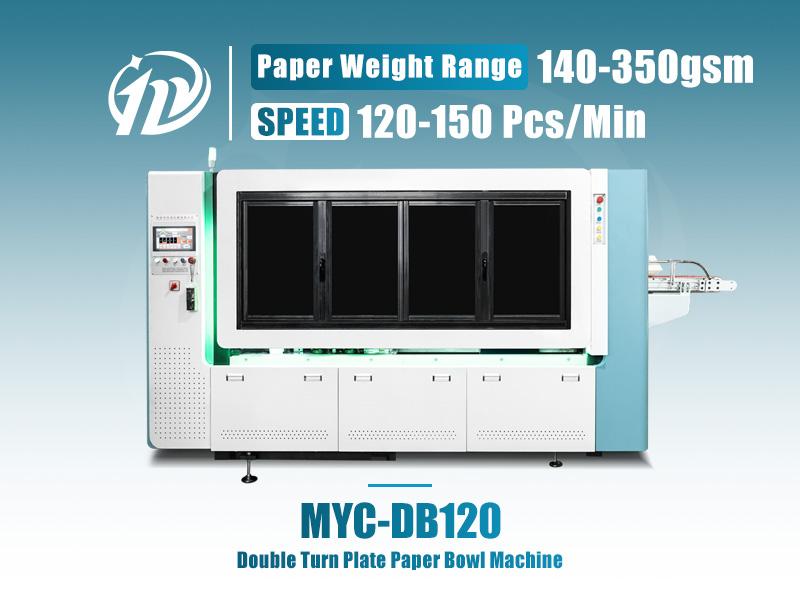
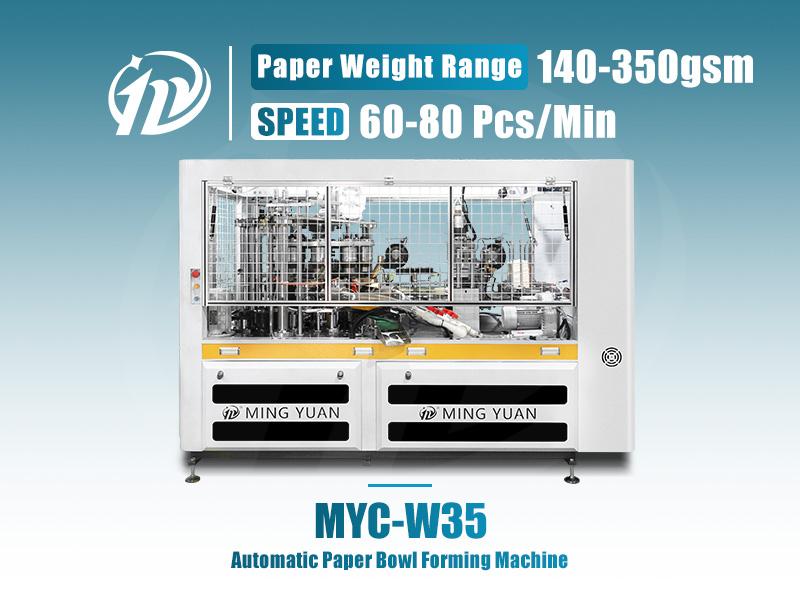
Fruit Paper Bowl Forming Solution
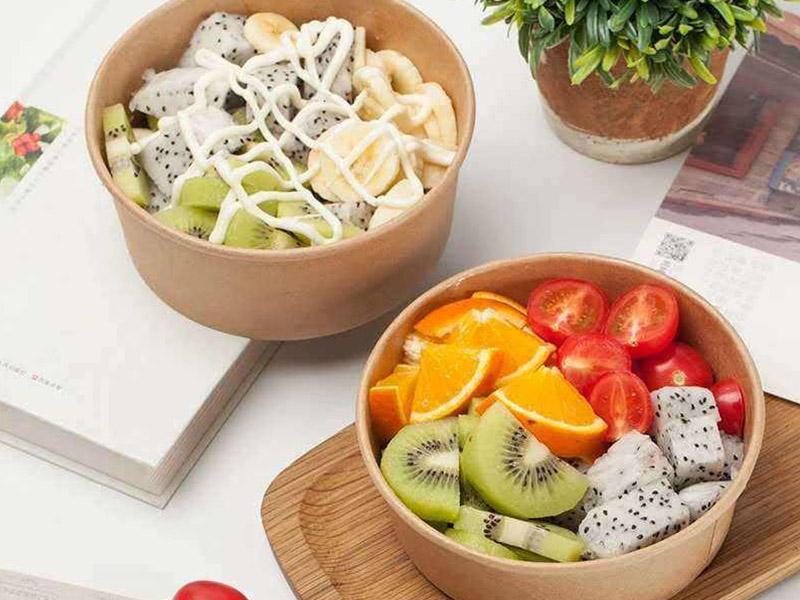
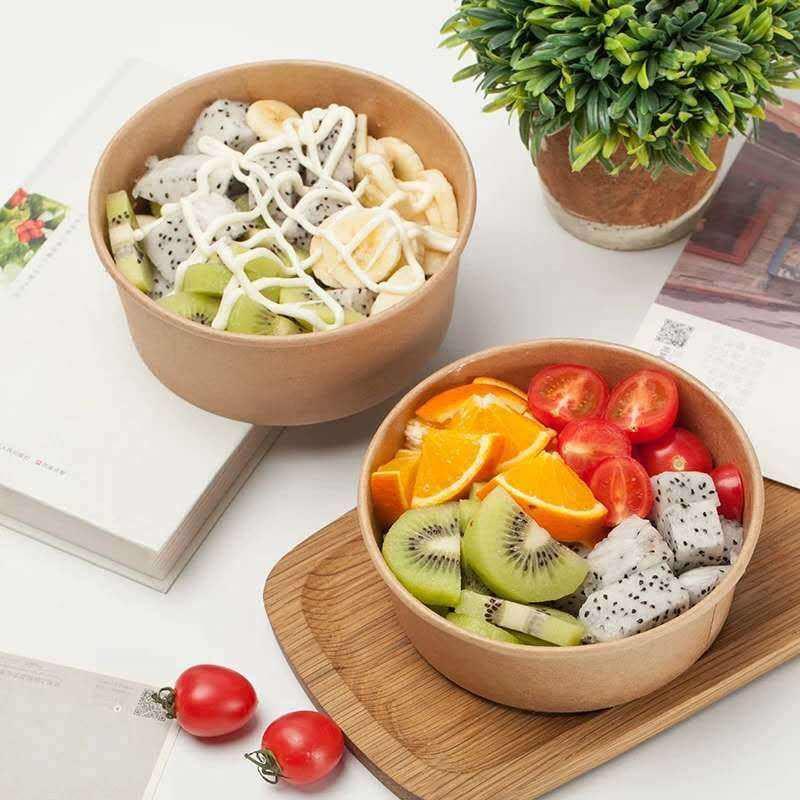
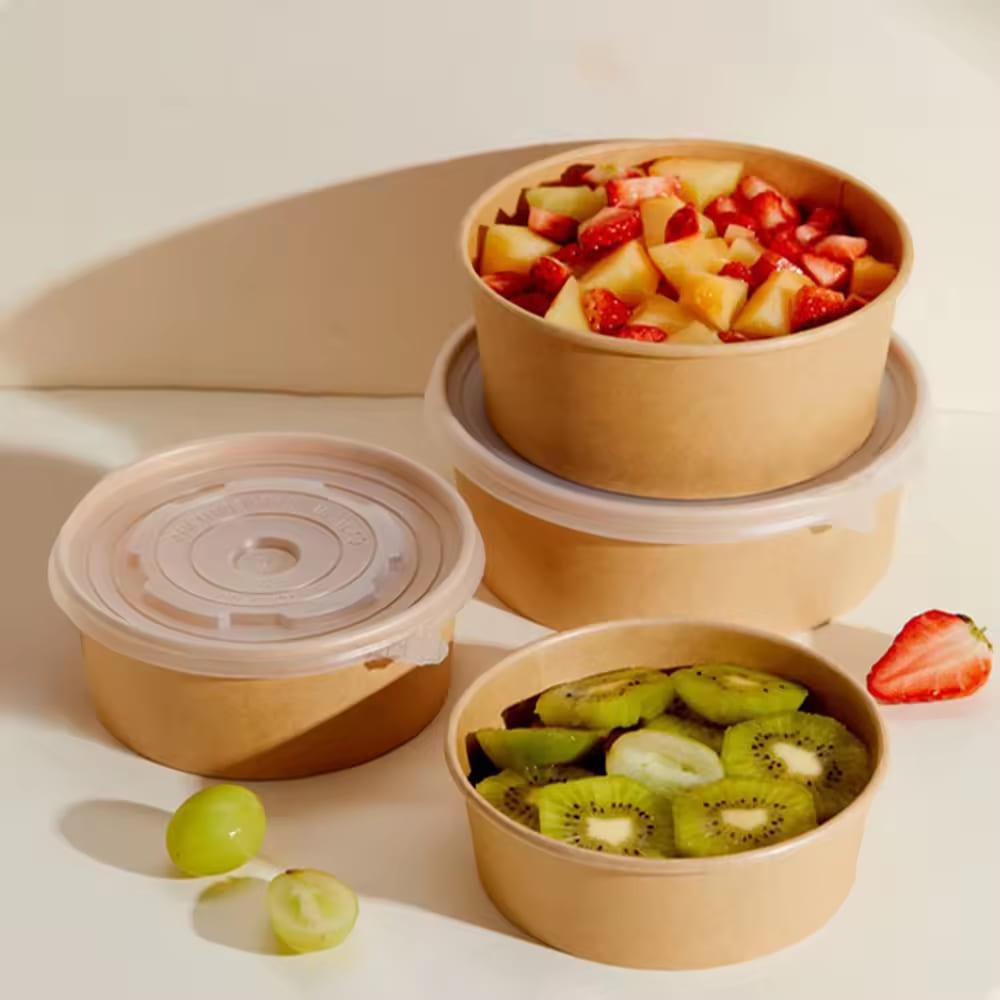
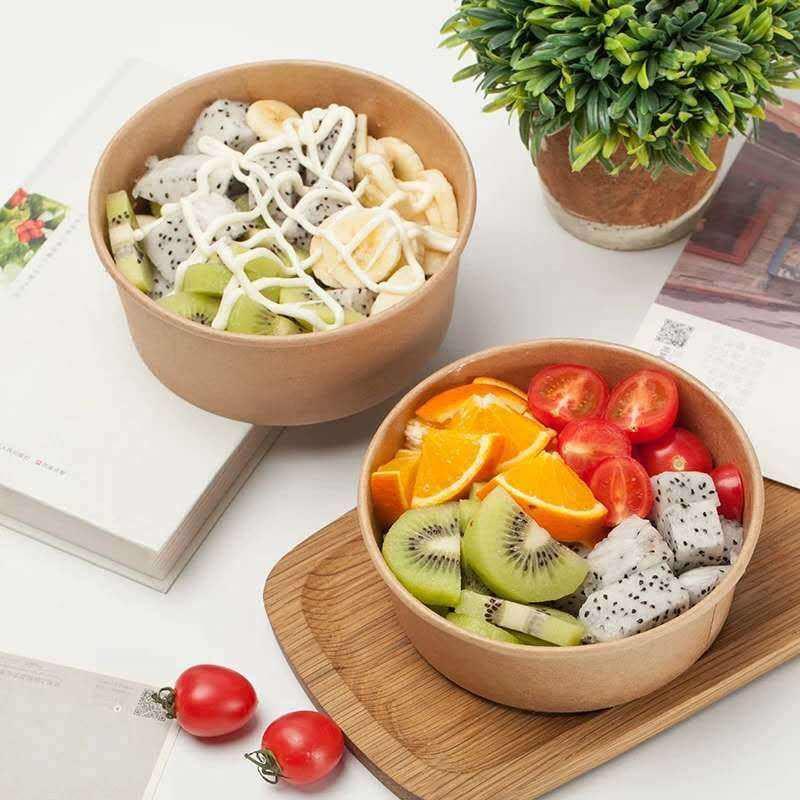
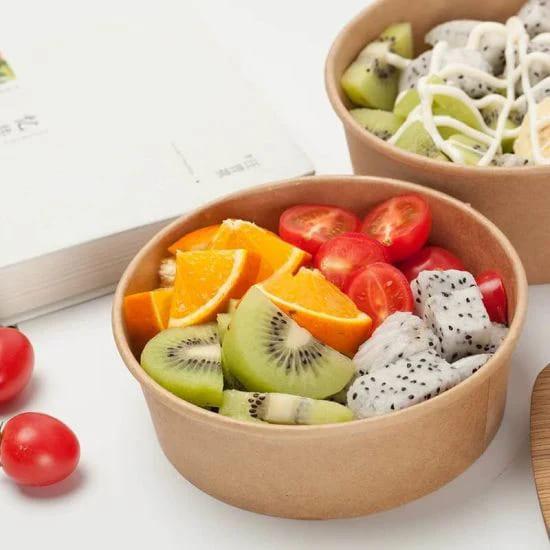
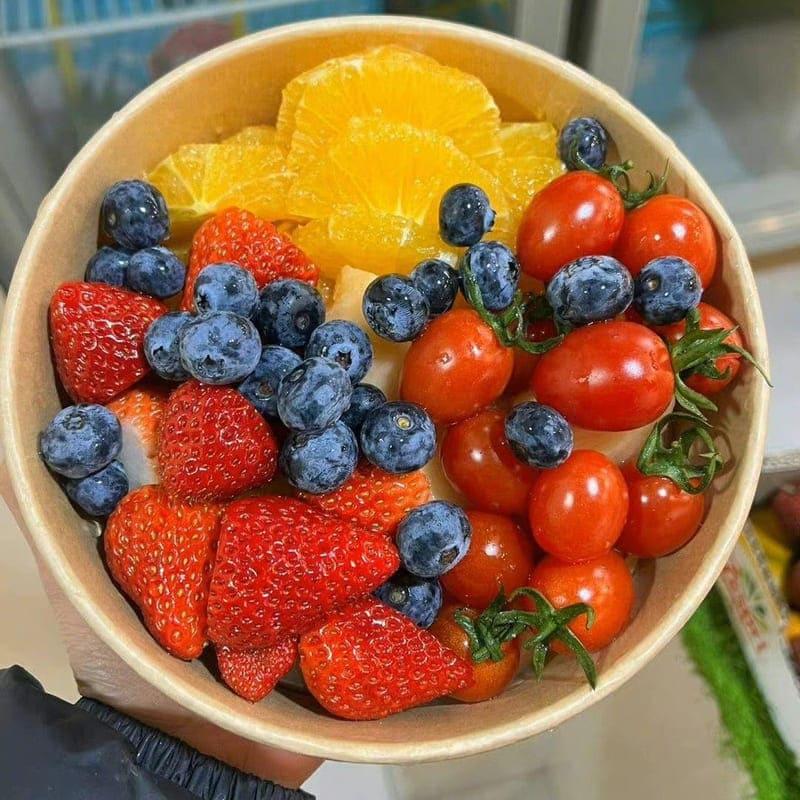
Fruit paper bowls are widely used for packaging ready-to-eat fruit cuts, fruit platters, and fruit salads, especially in cold chain and retail environments. Due to the high moisture content and acidity of fruits, paper bowls must offer excellent resistance to water, juice, softening, and leakage, while maintaining strong structural integrity and clear product visibility.
1. Application Scenarios
-Supermarket cold shelves for pre-cut fruit
-Convenience stores and fresh fruit retail chains
-Fruit cups included in healthy meal sets
-Takeaway fruit platters via food delivery platforms
2. Capacity & Paper Weight Recommendations
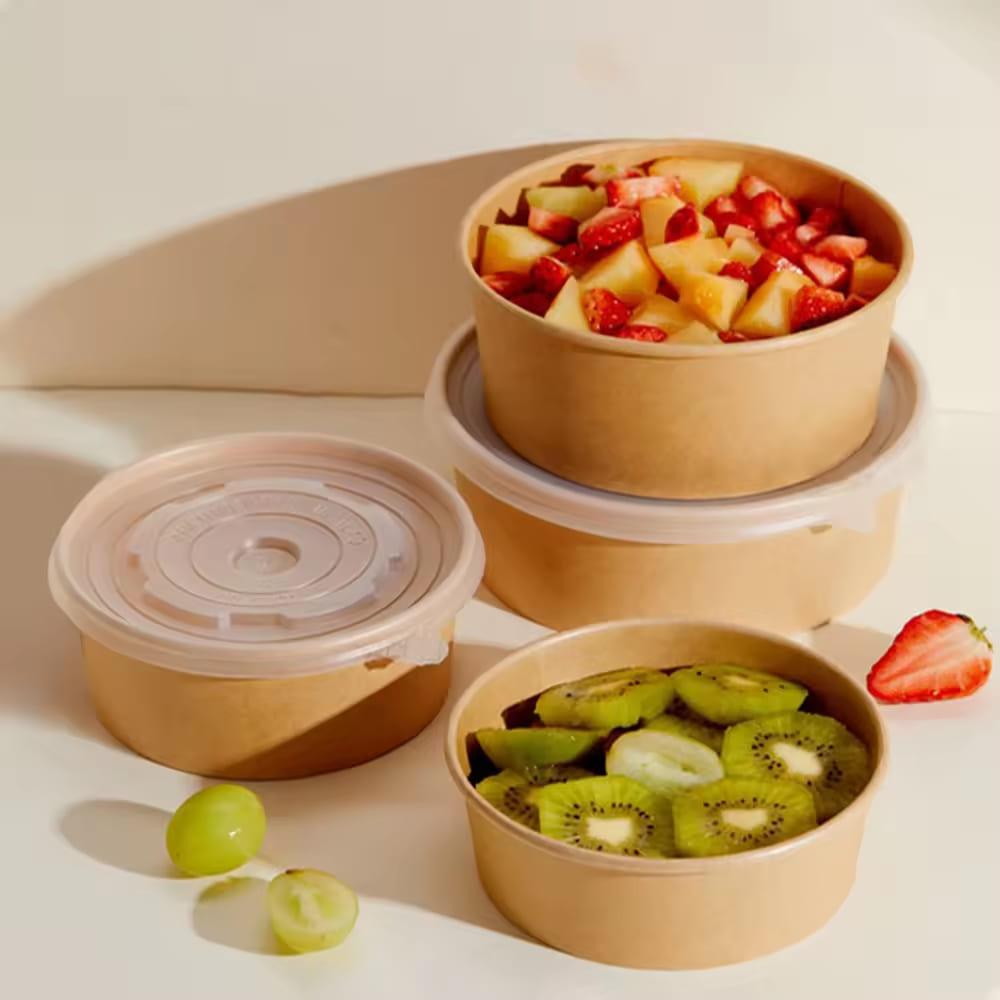
Fruit bowls commonly range from 12oz to 24oz, suitable for individual or family-sized servings. To ensure leak resistance and cold storage compatibility, double-sided PE-coated paper is required, with the following paper weight recommendations:
|
Capacity Range |
Suggested Use Case |
Recommended Paper (Double PE Coated) |
|
12oz–16oz |
Personal fruit cups, small sets |
260–280gsm |
|
18oz–24oz |
Family-sized or mixed fruit bowls |
280–320gsm |
✅ Double-sided PE coating is essential to prevent juice seepage, condensation softening, and to maintain the bowl’s structure in refrigerated or humid conditions.
3. Bowl Structure & Sealing
✅Rim Structure: Reinforced rolled rim recommended to improve sealing performance and lid compatibility
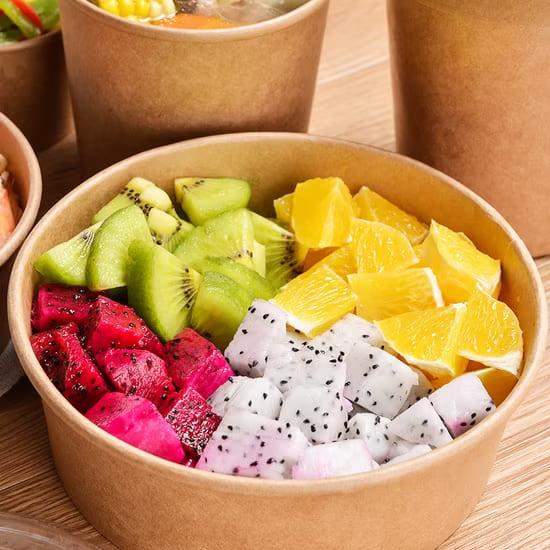
✅Bowl Shape: Wide-mouth and shallow bowl design allows for better visibility and easy consumption
✅Bottom Design: Flat or slightly raised bottom for stacking stability and shelf display
✅Lid Compatibility: Common lid diameters Φ115mm, Φ123mm, Φ150mm to fit standard fruit bowl sizes
4. Summary Recommendations
-Recommended Capacity: 12oz–24oz, suitable for various fruit portion sizes
-Structure: Single-wall wide-mouth bowl paired with clear lids for cold display
-Paper Choice: 260–320gsm with double PE coating for water and juice resistance
-Advantages: Leak-proof, anti-softening, high visibility, ideal for refrigerated and retail use
This solution combines our experience in paper bowl design and forming machinery to provide professional recommendations on capacity, paper weight, lamination, and bowl structure for fruit packaging applications.
A complete equipment scope depends on the product you choose and the materials or equipment already available.
Confirm the dimensions, structure and material requirements.
Discuss prepared blanks or any printing and cutting stages required.
Review the matching machine, tooling and agreed operating conditions.
Confirm inspection, collection and packing requirements.
Share your product, size and production target. We’ll help clarify the equipment scope.
Tell us what you want to produce. We can discuss the forming machine and the connected equipment around your project.
Not sure about the specifications yet? Start with the finished product.
Start with the cup structure, dimensions, paper and output target. The forming machine and any connected equipment can then be discussed.
It depends on your starting material. A business buying ready-made cup fans has a different equipment scope from one preparing fans from paper rolls.
Double wall projects need the inner cup and outer sleeve to match. Confirm the forming and sleeving combination for the selected cup.
Confirm the cup, material, tooling, run conditions and accepted output. Forming speed and packaging speed are different measures.

Tel: +86-13362708280
Email: george@paper-cupmakingmachine.com
MP/WhatsApp: +86-13362708280
Manufacturer Address:No.1588, Huaming Road, Feiyun Street,Ruian City Zhejiang Province -325200 China



Share the product, size and output you need.
 Tel: +86-13362708280
 Email: george@paper-cupmakingmachine.com
 MP/WhatsApp: +86-13362708280
 Manufacturer Address:No.1588, Huaming Road, Feiyun Street,Ruian City Zhejiang Province -325200 China
