

Define the product
Finished-product type, capacity or dimensions, structure and intended use.
Define your soup cup format, dimensions, materials and production target. Explore the equipment and supporting stages for your project.
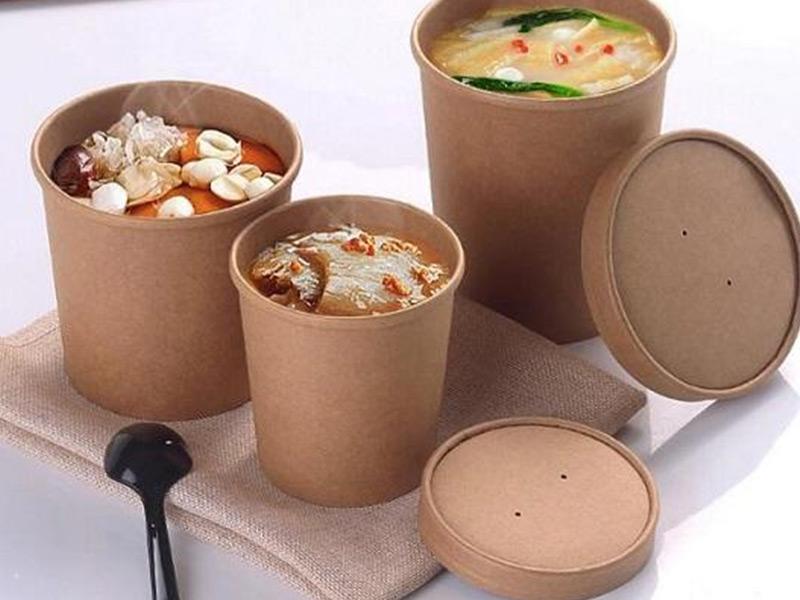
Share what you know now. Dimensions, materials and output help define the configuration.
Finished-product type, capacity or dimensions, structure and intended use.
Required output with its unit, paper specification and operating shifts if known.
Prepared materials or raw paper; available equipment, inspection and packing needs.
Explore existing examples, then confirm your dimensions, structure and materials.
Review the existing recommended models. Final suitability depends on the agreed product, material, tooling and output.
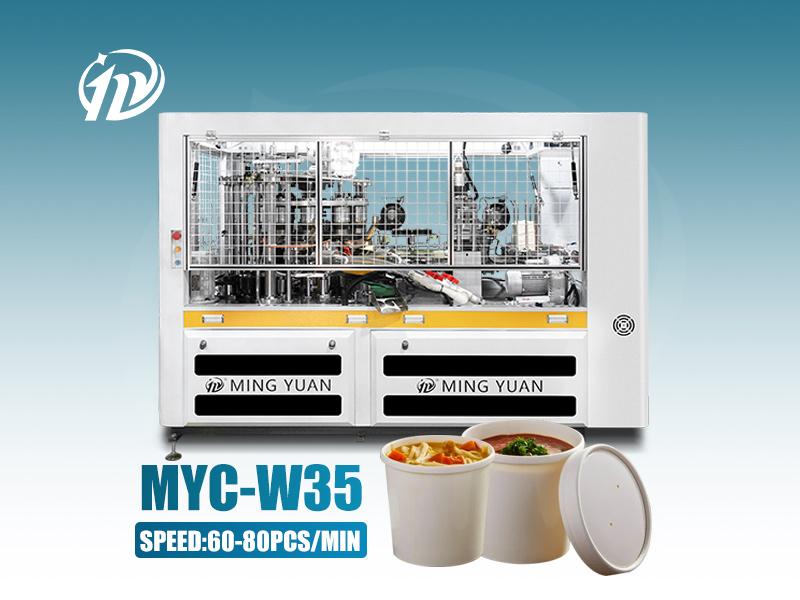
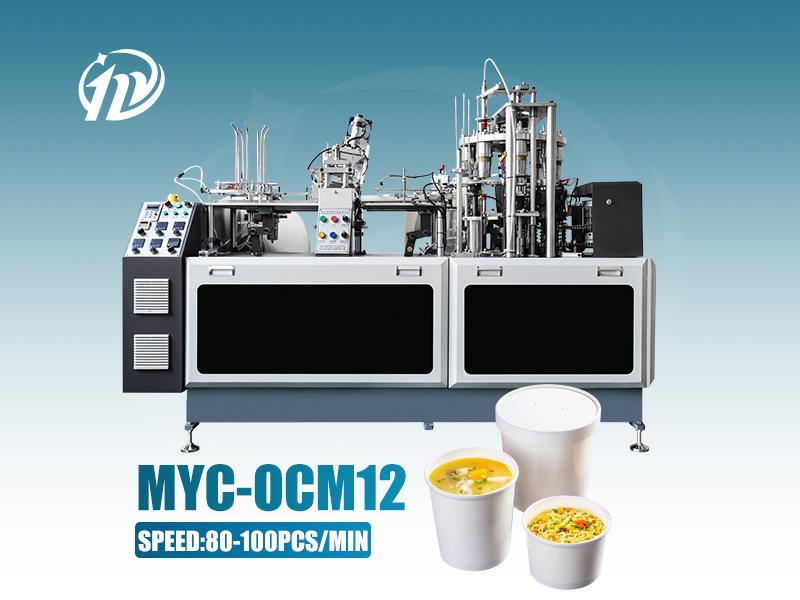
Soup Paper Cup Forming Solution
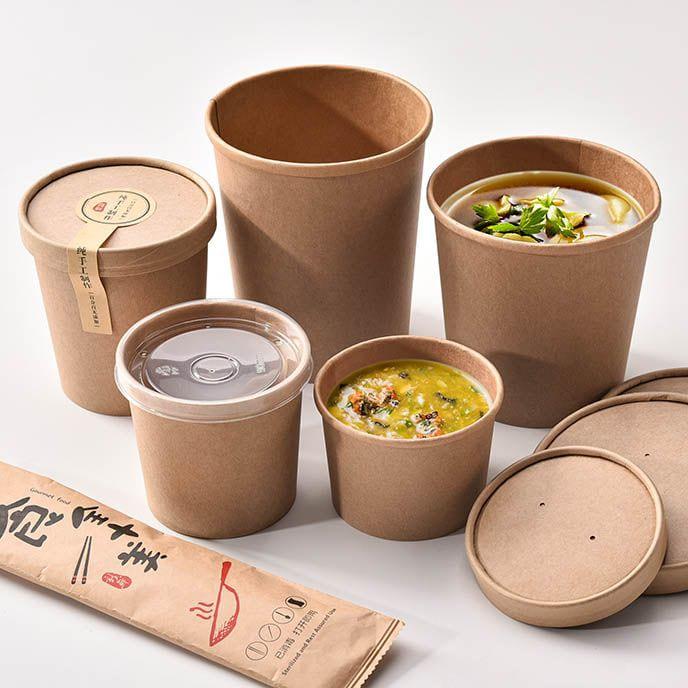
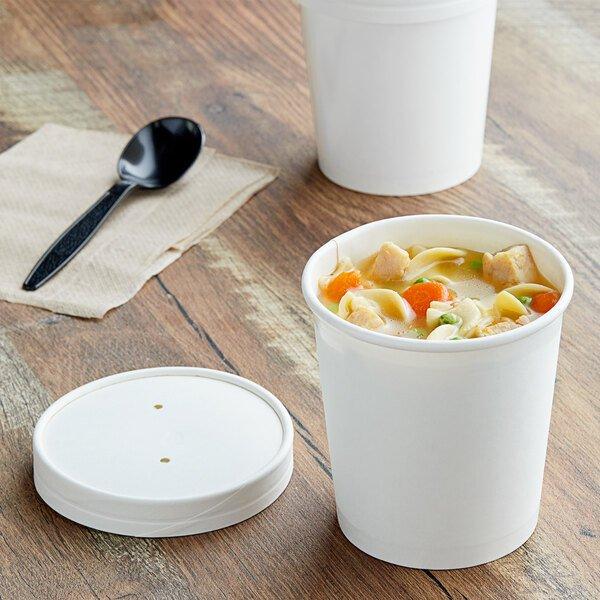
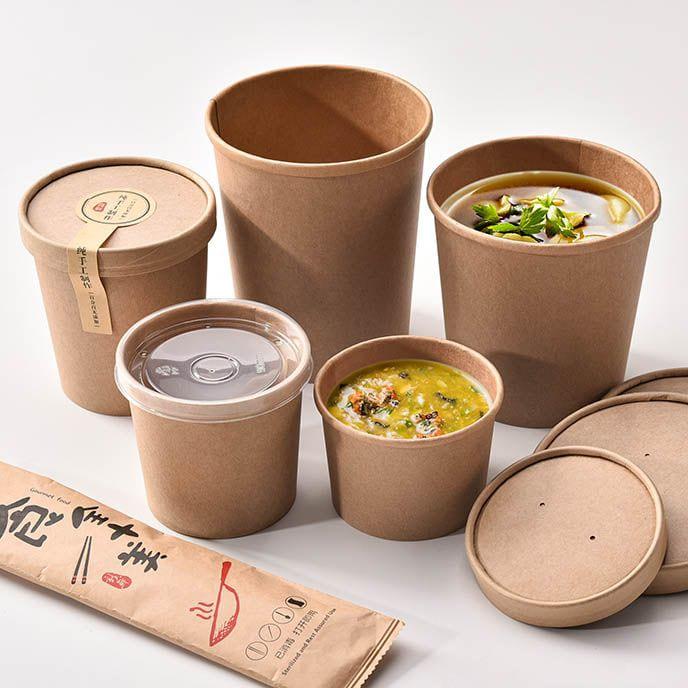
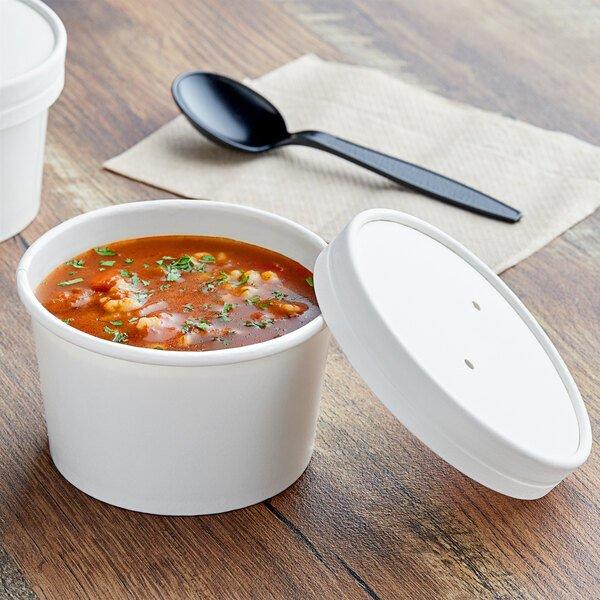
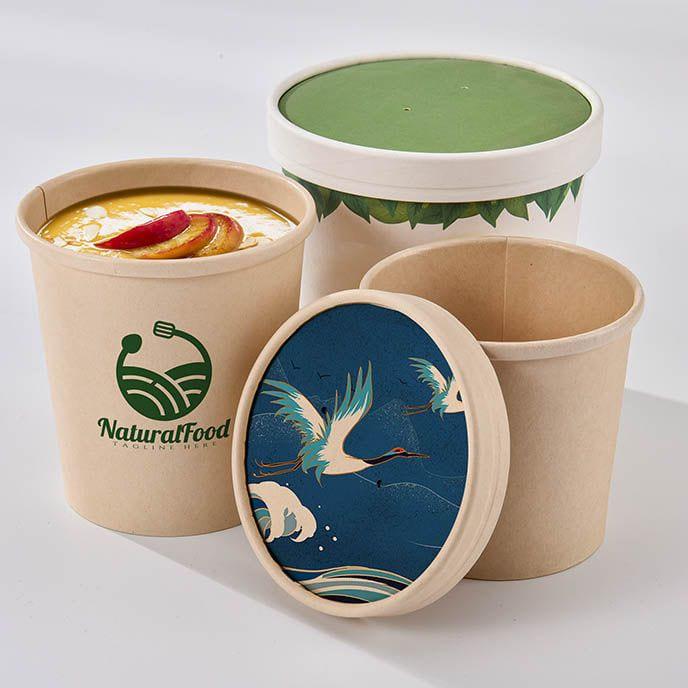
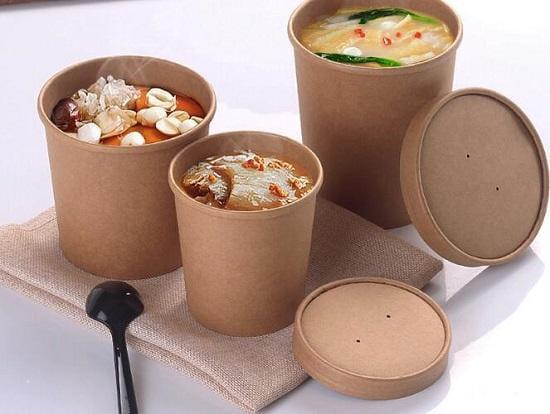
Soup-based products are typically served hot, often containing oil or food particles. These features demand strong heat resistance, oil resistance, and structural strength from the paper cup. Common applications include dine-in packaging, takeout, food courts, and self-service buffets.
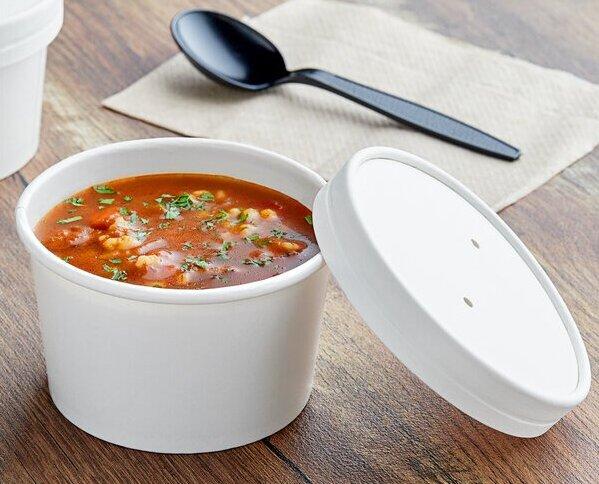
Based on our years of experience in paper cup forming, this solution provides practical recommendations for soup cup capacity, structure design, and paper material configuration. We offer customized solutions and can recommend suitable paper cup forming machines to meet the rigorous packaging needs of hot food products.
1. Application Scenarios
-Soup cups are commonly used in:
Applicable for contents such as hot broth, chicken soup, miso soup, beef stew, herbal tonics, seafood chowder, or porridge.
2. Capacity & Paper Configuration Recommendations
The most common capacity range is 8oz–20oz, and paper weight and coating selection should be adjusted according to the product’s temperature, oil content, and delivery conditions:
Capacity Range
Recommended Paper Weight (with PE)
Suggested PE Coating Type
8oz–12oz
260–280gsm (single or double PE)
Single PE (inner coating)
16oz–20oz
280–320gsm (preferably double PE)
Double PE for enhanced performance
✅ For oily hot soups, double-sided PE coating is recommended to prevent cup softening or leaking under high temperatures.
✅ For stew or chunky contents, use ≥280gsm paper for added structural strength.
3.Summary Recommendations
✅ Recommended Capacity: 8oz–20oz, covering both dine-in and delivery needs
✅ Recommended Structure: Single-wall thick paper cup or double-wall insulation structure
✅ Paper Weight: 260–320gsm, paired with single or double PE coating as needed
✅ Cup Shape: Standardized for efficiency, sealing compatibility, and strength
With properly selected materials and configurations, soup cups can deliver excellent heat resistance, oil barrier performance, and overall structural integrity, making them an ideal solution for hot food packaging across various foodservice and retail channels.
A complete equipment scope depends on the product you choose and the materials or equipment already available.
Confirm the dimensions, structure and material requirements.
Discuss prepared blanks or any printing and cutting stages required.
Review the matching machine, tooling and agreed operating conditions.
Confirm inspection, collection and packing requirements.
Customer Background A customer from Bosnia and Herzegovina manufactures paper tableware and plans to launch a small-cap
Read the case →
Customer Background This customer from Myanmar is a food packaging company that primarily supplies paper tableware to l
Read the case →Share your product, size and production target. We’ll help clarify the equipment scope.
Tell us what you want to produce. We can discuss the forming machine and the connected equipment around your project.
Not sure about the specifications yet? Start with the finished product.
Start with the cup structure, dimensions, paper and output target. The forming machine and any connected equipment can then be discussed.
It depends on your starting material. A business buying ready-made cup fans has a different equipment scope from one preparing fans from paper rolls.
Double wall projects need the inner cup and outer sleeve to match. Confirm the forming and sleeving combination for the selected cup.
Confirm the cup, material, tooling, run conditions and accepted output. Forming speed and packaging speed are different measures.

Tel: +86-13362708280
Email: george@paper-cupmakingmachine.com
MP/WhatsApp: +86-13362708280
Manufacturer Address:No.1588, Huaming Road, Feiyun Street,Ruian City Zhejiang Province -325200 China



Share the product, size and output you need.
 Tel: +86-13362708280
 Email: george@paper-cupmakingmachine.com
 MP/WhatsApp: +86-13362708280
 Manufacturer Address:No.1588, Huaming Road, Feiyun Street,Ruian City Zhejiang Province -325200 China
