MYC-ZDJ1200 Full servo motor driven paper plate machine
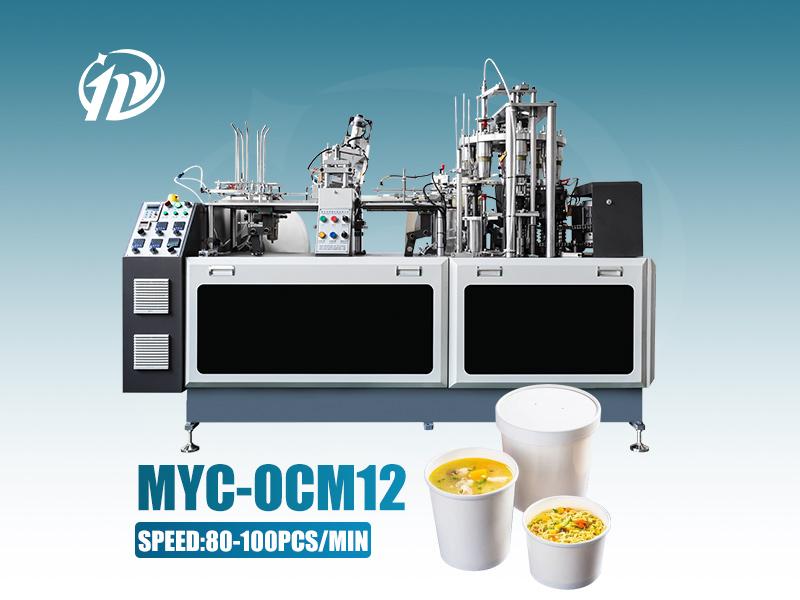
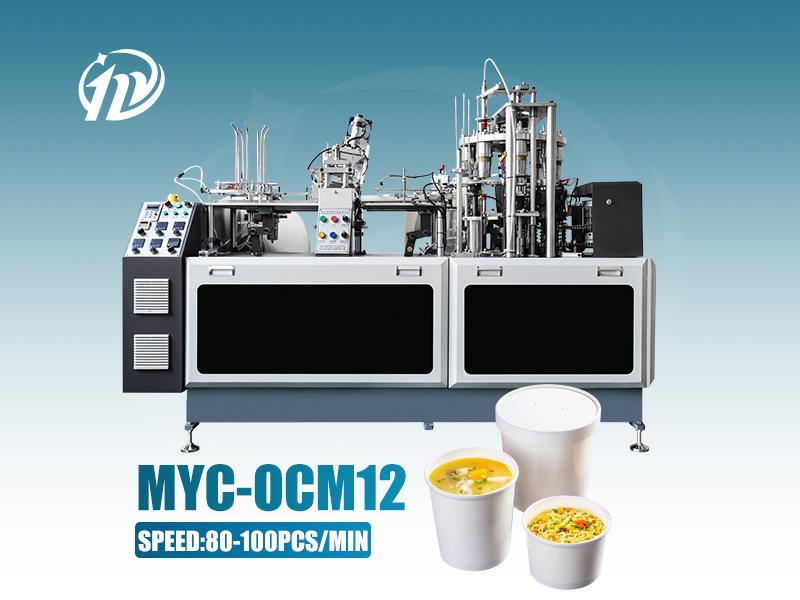
MYC-OCM12 Simple Model Paper Soup Cup Making Machine
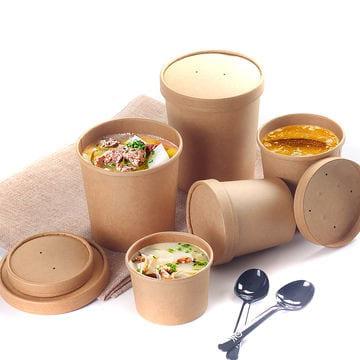
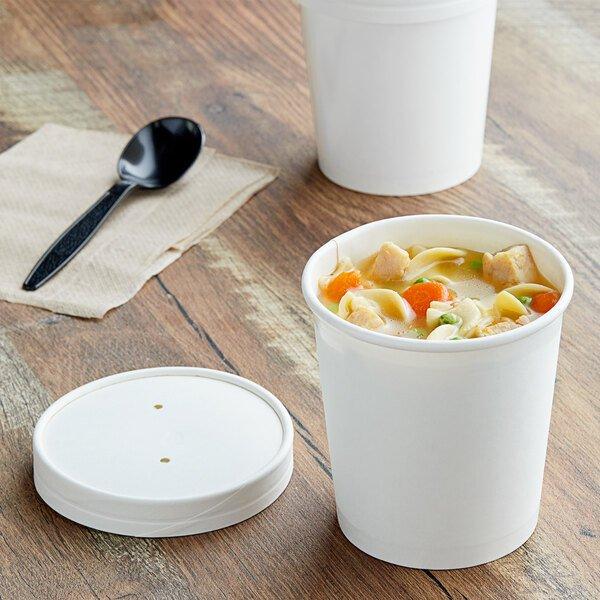
The MYC-OCM12 Simple Model is a paper cup forming machine built for producing single-wall paper soup cups and similar paper food cups. It suits converters and food-packaging producers who need a straightforward, mechanically driven cup-making platform for a defined cup size, rather than a fully automated multi-stage line. This page explains what the machine covers, which configuration questions matter, and what to prepare before requesting a quotation.
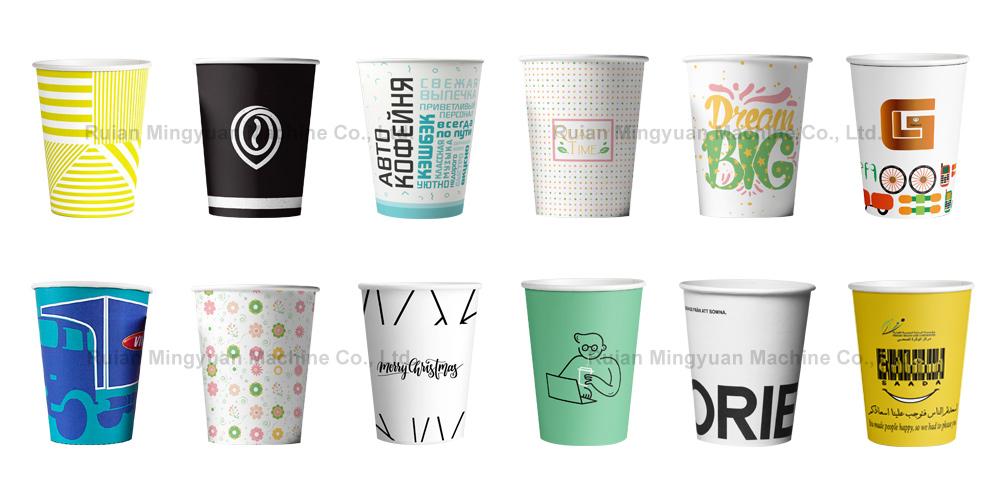
What this machine produces
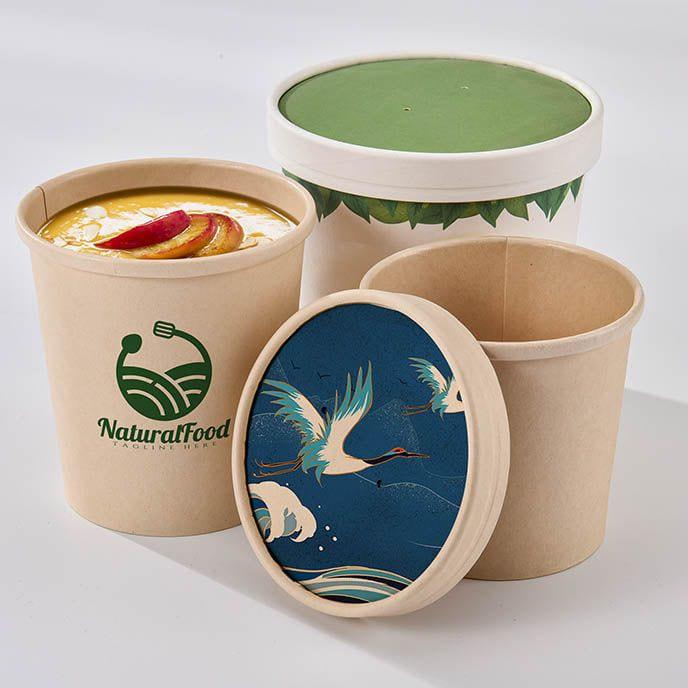
The MYC-OCM12 forms single-wall paper cups from printed or plain paper fan blanks. In soup-cup configuration it is intended for the larger, deeper cup formats used for hot soups, noodles and takeaway food. The exact top diameter, bottom diameter and height that can be produced depend on the mold set supplied with the machine, so the cup drawing or a physical sample is the starting point for any configuration discussion.
Because the machine is described as a simple model, it is positioned for buyers who want a reliable forming platform with a clear mechanical structure, and who do not require the additional automation of the intelligent model. If your project later needs double-wall cups or a sleeve, that is a separate machine stage rather than a function of this unit.
Machine structure and drive concept
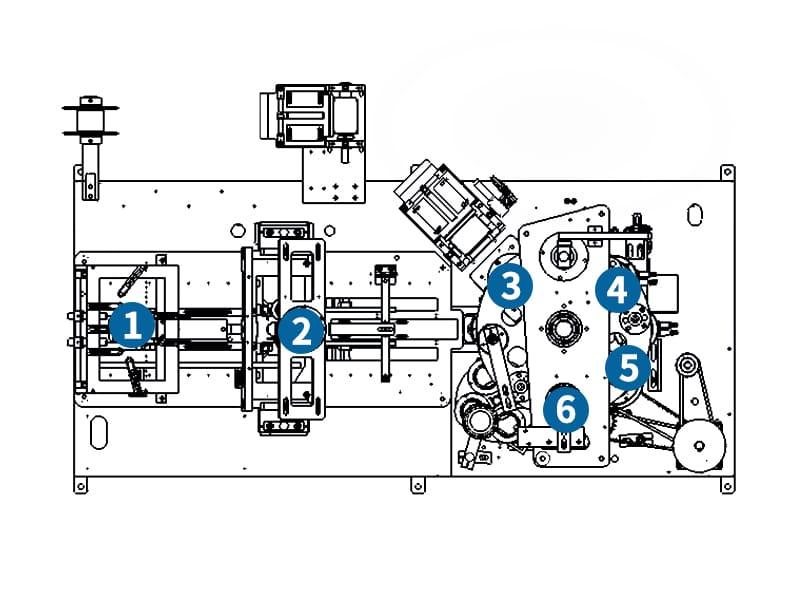
The forming section uses an open CAM drive together with a full gear transmission system. Combined with a servo motor, this arrangement is intended to keep the forming motions accurate and repeatable across a production run. The control cabinet houses a PLC control system with sensor fault detection: when a sensor detects an abnormal condition, the machine stops automatically, which supports safer operation and reduces the risk of continuing to run with a fault.
An automatic oil lubrication system is fitted to support the moving parts during continuous operation. The structure is laid out for straightforward access to the forming stations, which matters for routine cleaning, mold changes and maintenance planning.
Speed: rated versus stable output
The machine is rated at 80–100 pieces per minute. Treat this as the rated machine speed under the specified cup size, paper grade and sealing configuration. Stable output over a shift will depend on paper quality, cup geometry, operator familiarity and how the downstream collection and packing steps are organized. Plan capacity around a realistic stable figure rather than the top of the rated range, and confirm the expected output for your specific cup during the quotation stage.
Selection variables to confirm before ordering
The following points determine whether the MYC-OCM12 matches your product. Send them together so the configuration can be matched in one pass.
| Decision area |
What to confirm |
Why it matters |
| Cup format |
Cup drawing or physical sample with top diameter, bottom diameter and height; single-wall soup cup or other food cup |
Determines the mold set and the forming stations required |
| Paper and coating |
Paper grade and GSM, single or double PE coating, or other food-contact coating |
Affects sealing behavior, cup rigidity and the suitable sealing method |
| Sealing method |
Whether ultrasonic or heater sealing is required for your cup and coating |
Sealing configuration must be fixed before the machine is built |
| Target output |
Required cups per shift or per day, and the number of shifts |
Used to check whether one machine covers demand or a second unit is needed |
| Utilities |
Available voltage and frequency, and whether a compressed air supply is present |
Needed to match the electrical and pneumatic configuration |
| Workshop and packing |
Floor space, layout drawing, and how finished cups will be collected and packed |
Influences layout planning and any downstream handling decision |
Configuration boundaries
-
One cup size per mold set. A change of cup dimensions normally requires a corresponding mold change; confirm the mold scope for each size you plan to run.
-
Simple model versus intelligent model. The simple model covers the forming and sealing functions described here. Additional monitoring or automation features belong to the intelligent model and should be specified separately.
-
Single-wall focus. Double-wall cups and paper cup sleeves are produced on separate machines. If your product roadmap includes them, plan the line as connected stages rather than assuming this machine covers them.
-
Downstream packing is not implied. Cup collection, counting and packing equipment should be discussed as a separate scope item.
Quality checks and maintenance planning
- Check cup bottom and side seam sealing on the first cups of each shift and after any mold change.
- Keep the automatic oil lubrication system topped up and follow the recommended lubrication interval for the CAM and gear transmission.
- Clean forming molds and sealing surfaces according to the paper and coating in use, since coating build-up affects seal quality.
- Record sensor stop events; repeated faults point to a specific station that needs adjustment rather than a general machine issue.
- Keep spare heaters, sealing components and wear parts on hand based on your actual running hours.
Related equipment and references
Buyers planning a complete cup production setup often review the wider paper cup machine range to compare simple and intelligent configurations, and can see how the MYC-OCM12 performs in a real installation in the MYC-OCM12 paper soup cup making machine case in Bosnia and Herzegovina.
Next step
To receive a matched configuration and quotation, send your cup drawing or sample with dimensions, paper type and GSM, coating, required sealing method, target output, voltage and frequency, air supply details and workshop layout. Use the inquiry form on this page or contact us via WhatsApp with these details, and the specification can be confirmed against your cup before ordering.



 Mini Capacity (8 hours/day)
 Speed
 Size
 Power
 Raw Material
 Suitable Paper Weight
 Certification





 Tel: +86-13362708280
 Email: george@paper-cupmakingmachine.com
 MP/WhatsApp: +86-13362708280
 Manufacturer Address:No.1588, Huaming Road, Feiyun Street,Ruian City Zhejiang Province -325200 China