MYC-ZDJ1200 Full servo motor driven paper plate machine
What the MYC-150 Eight-Servo Paper Cup Machine Is Built For
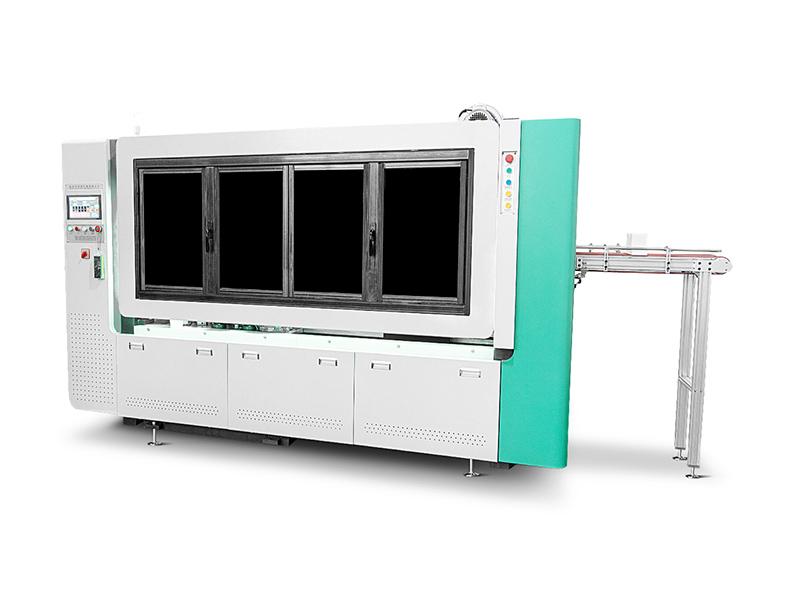
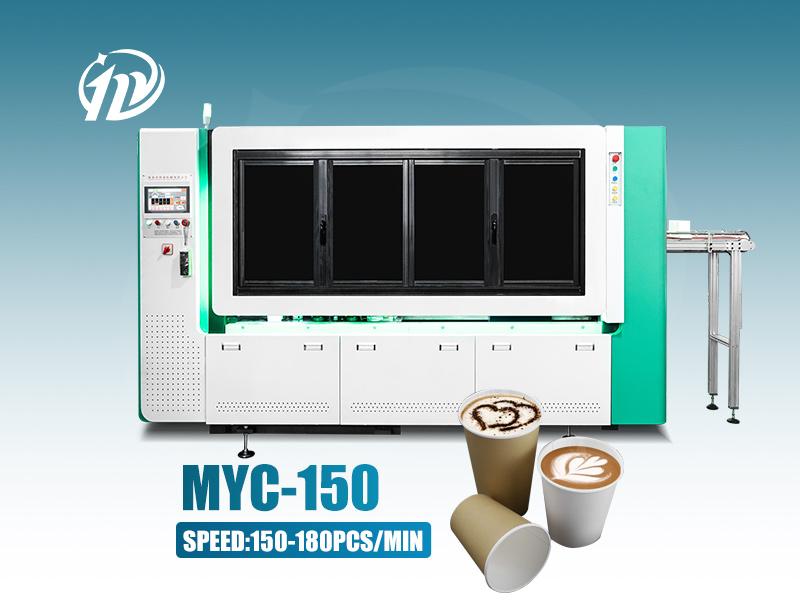
The MYC-150 is a high-speed paper cup forming machine driven by eight independent servo motors. It converts printed or plain paper cup blanks into finished single-wall paper cups and containers, and is intended for converters, cup printers and food-packaging producers who need a compact, responsive machine for everyday drink-cup production rather than a full turnkey line.
The machine suits buyers planning a focused cup programme: cold-drink cups, water cups, ice-cream and dessert containers, and similar single-wall formats. If your product roadmap includes double-wall, hollow or bowl formats, review those requirements separately before confirming this model, because the forming stations and tooling differ.
How the Eight-Servo Drive Changes the Working Method
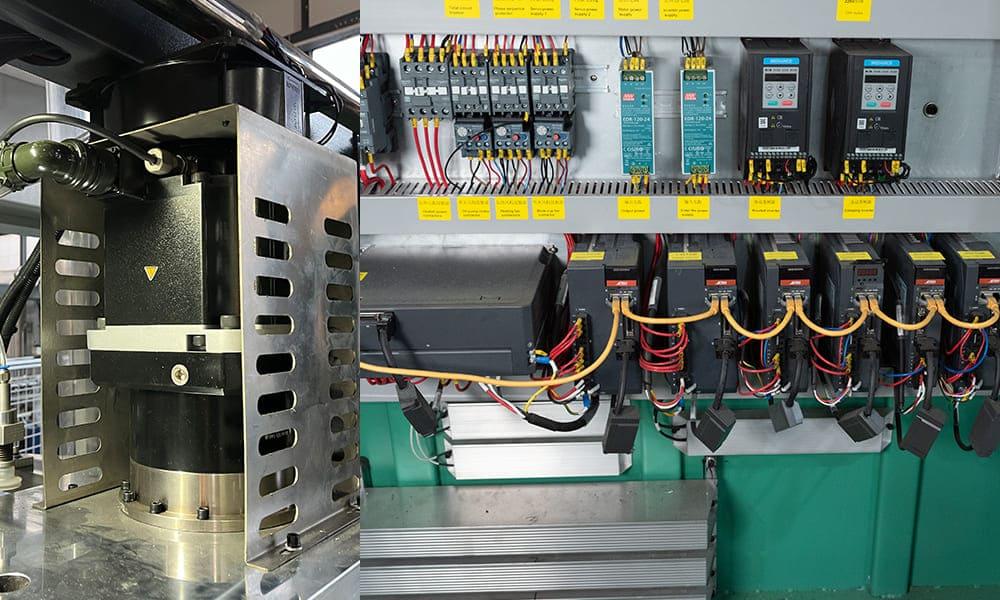
Each of the eight servo motors controls a specific motion axis independently, and the machine coordinates them into one synchronized forming cycle. In practice this means the cup body wrapping, bottom feeding, sealing and curling motions can be tuned separately instead of being locked to a single mechanical shaft. For a buyer, the practical questions are which stations are servo-driven on the quoted configuration, how the sealing method is executed, and how much of the setup is mechanical versus electronic.
Servo architecture is often presented as a speed advantage. Treat it instead as a control and changeover advantage: it can shorten the time needed to adjust for a new cup size, and it can reduce the mechanical wear points that require routine attention. Rated speed and stable production output are not the same figure, and stable output depends on paper quality, cup geometry, operator skill and downstream packing.
Sample Cups and Machine Structure
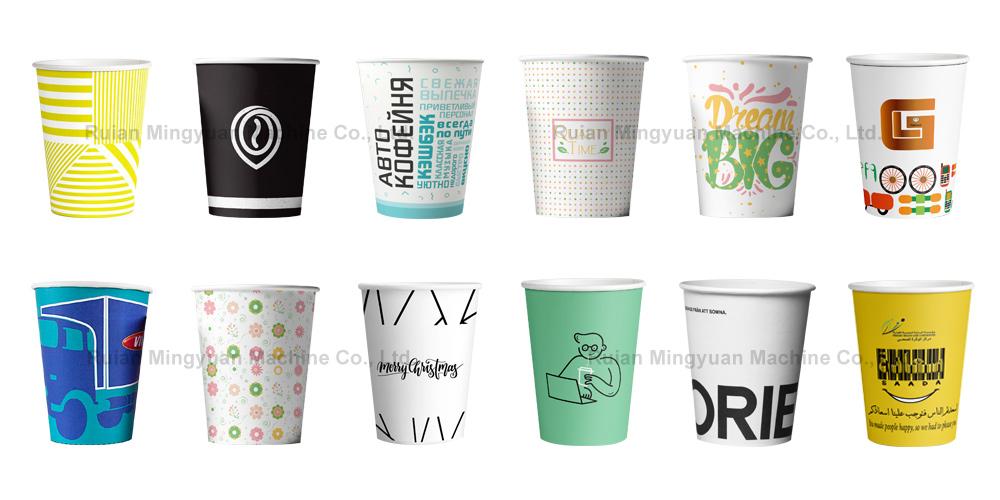
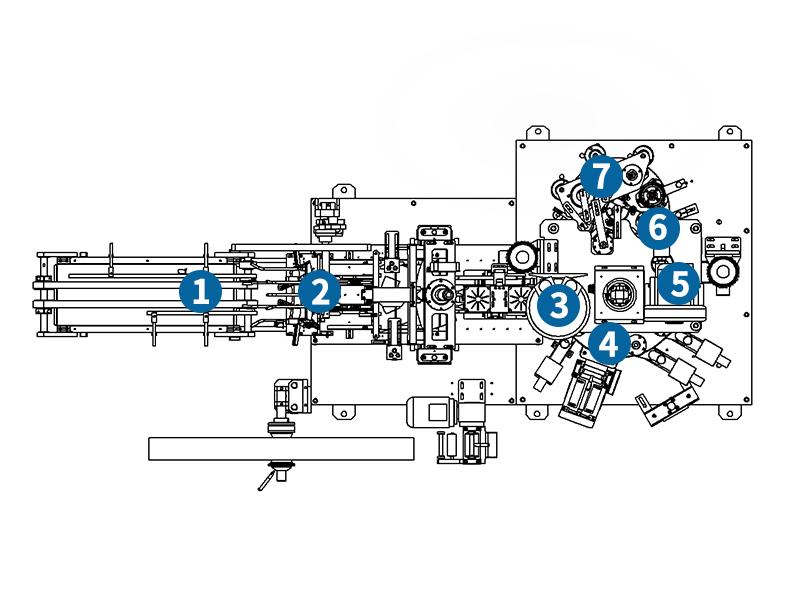
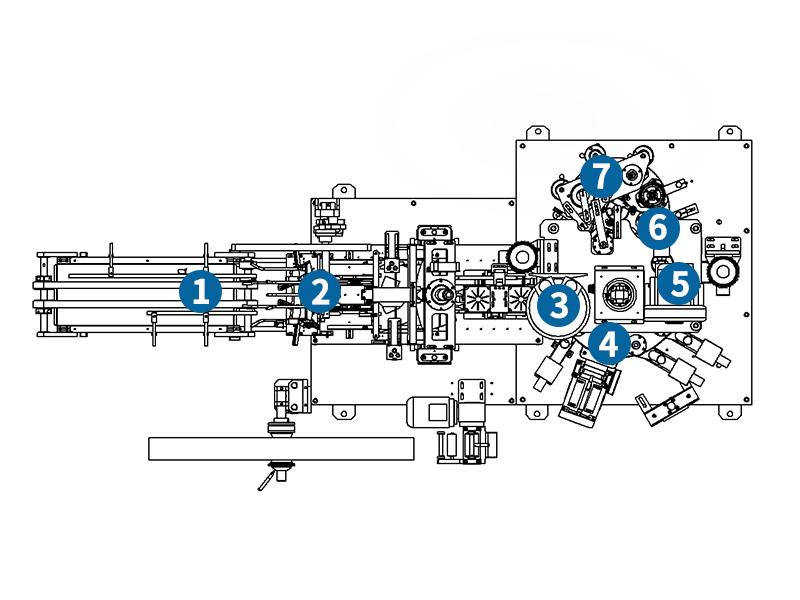
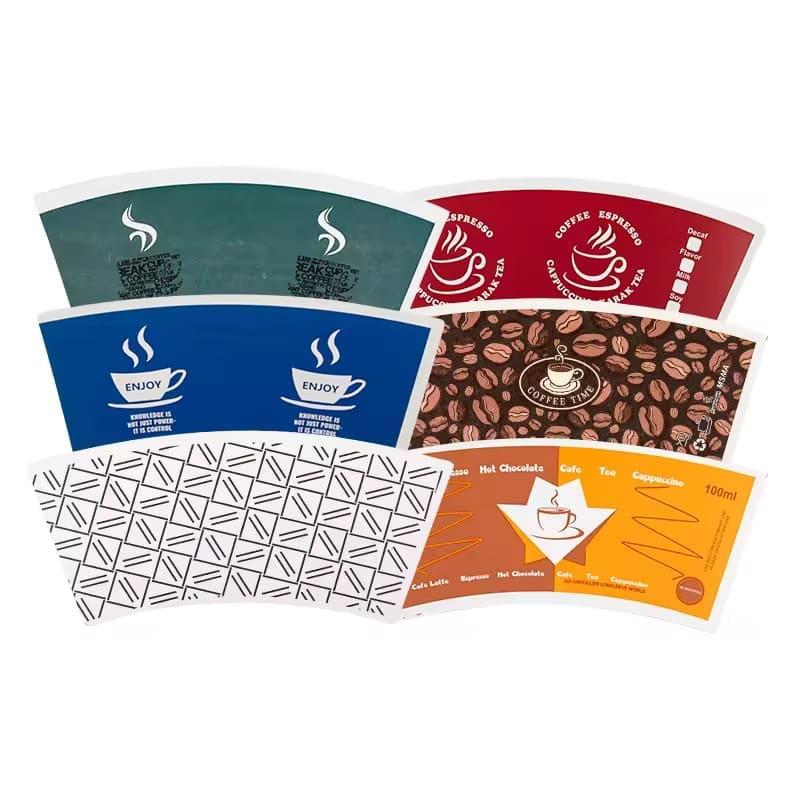
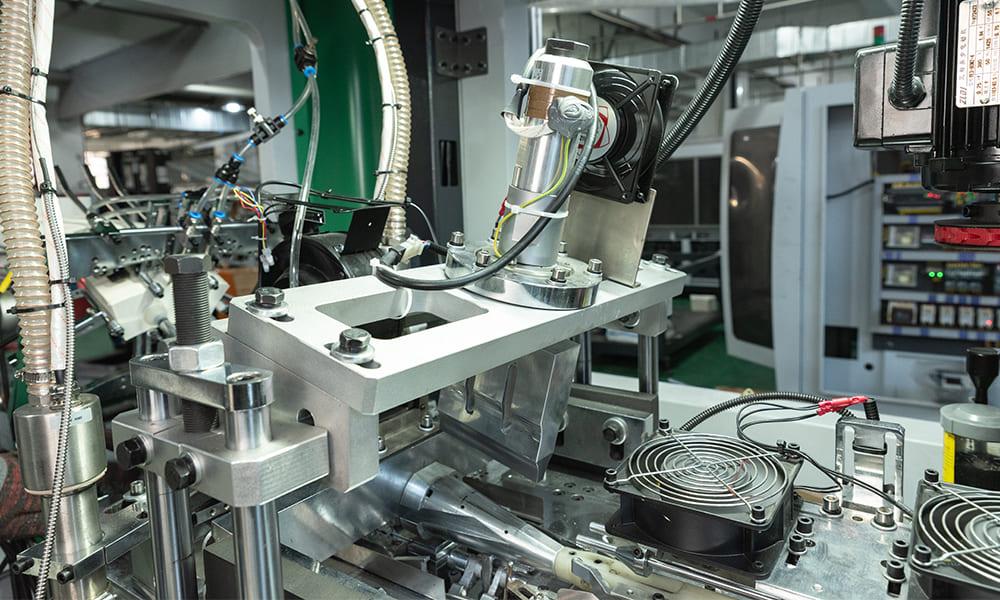
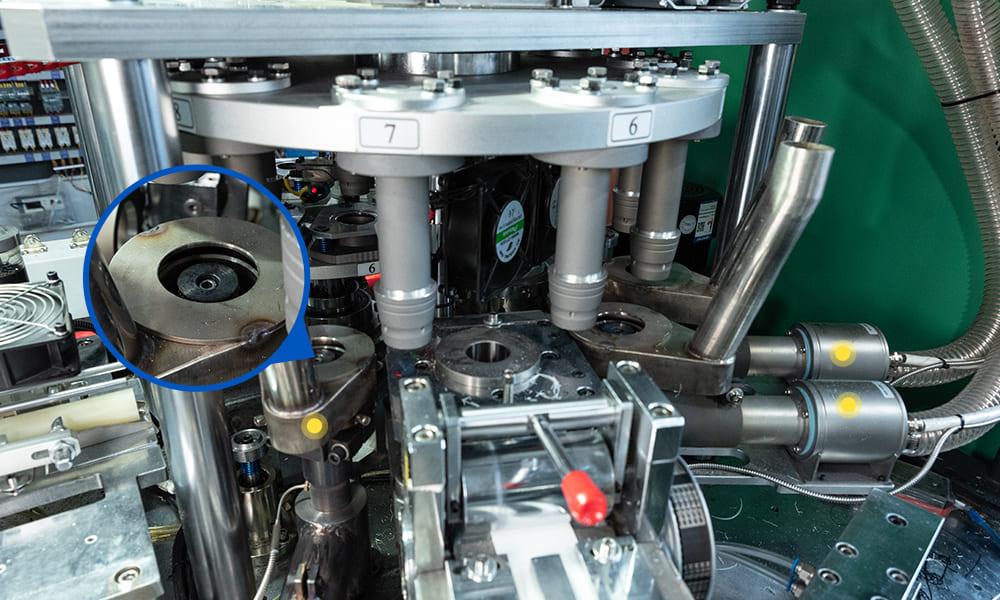
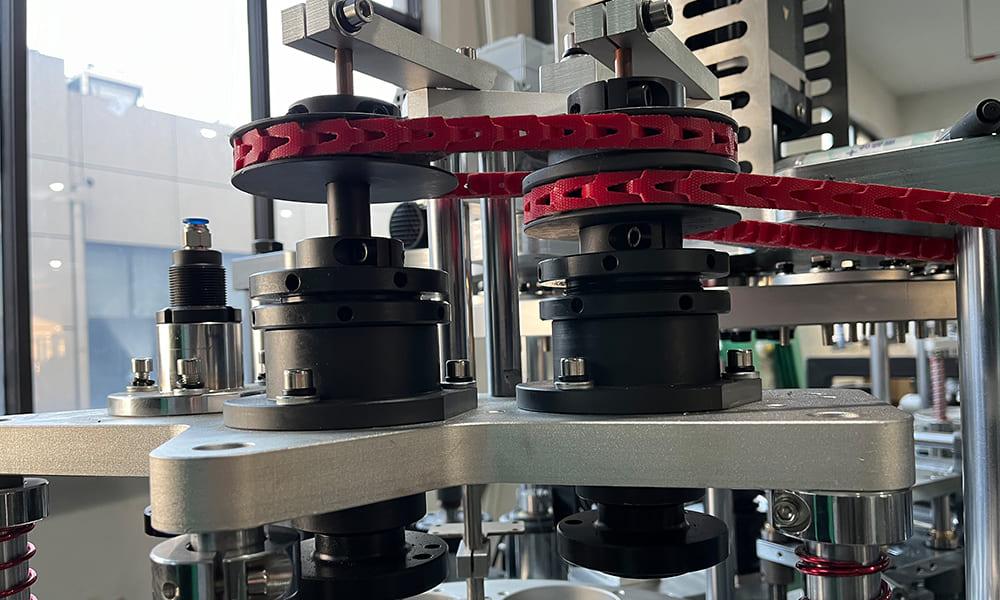
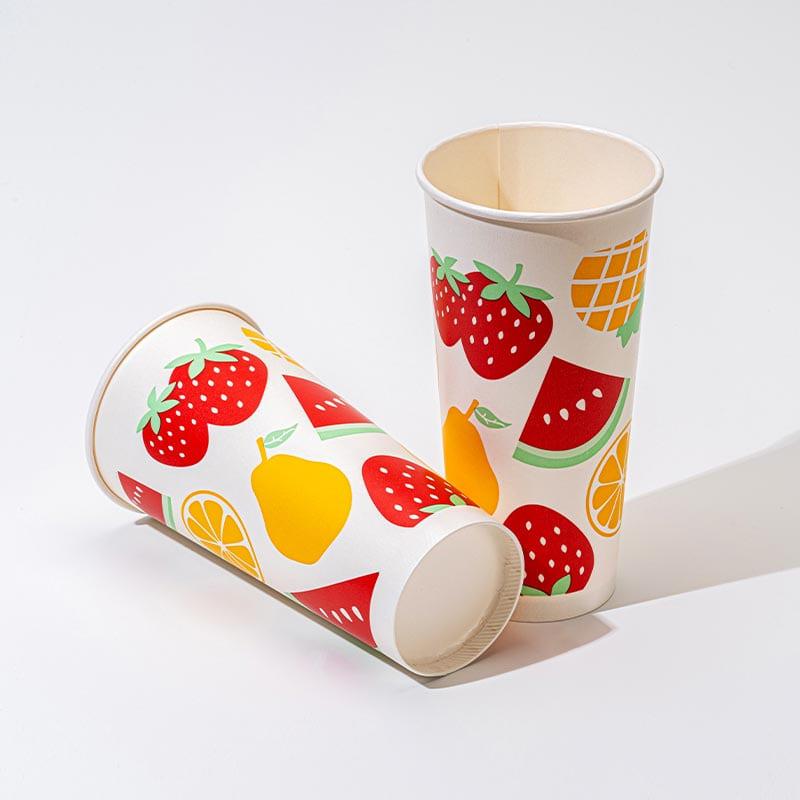
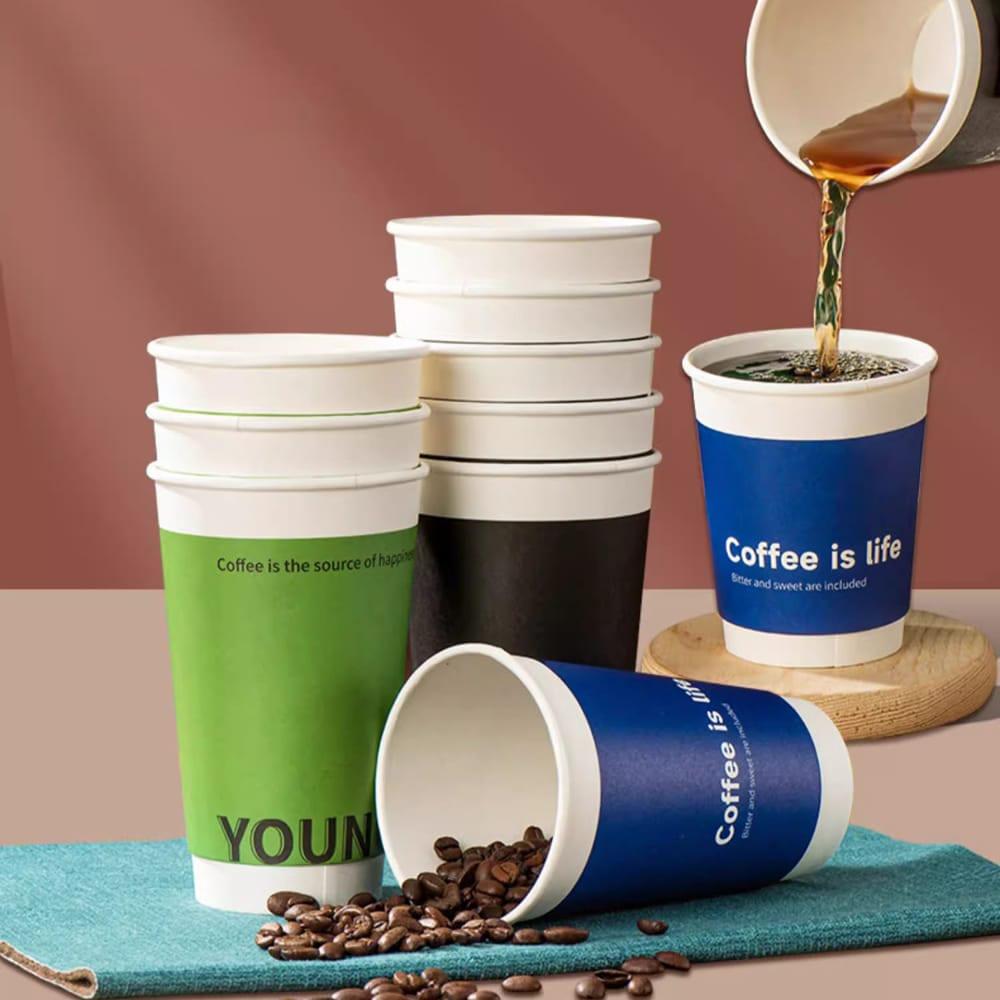
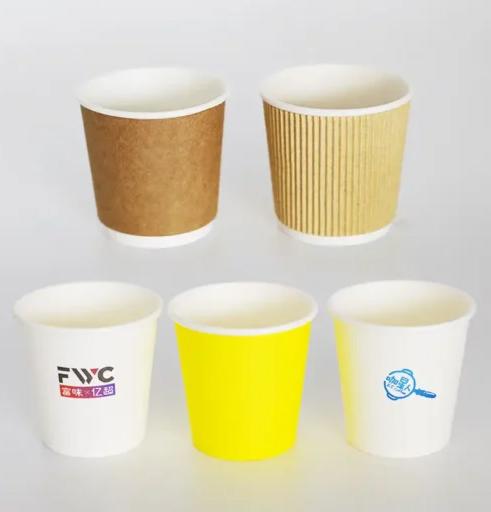
The images below show representative finished cups and the machine's station layout. Use them to judge whether your cup proportions and wall construction are similar to what this platform is designed around.
Sample display:
Machine structure:
Selection Variables to Confirm Before Quotation
The specification table on this page lists the confirmed model data. The points below are the variables that decide whether the standard build matches your project, and they are the items to settle with the supplier before an order is placed.
| Decision area |
What to confirm |
Why it matters |
| Cup format |
Cup drawing or physical sample with top diameter, bottom diameter and height |
Determines the forming tooling set and whether the cup falls inside the supported range |
| Paper and coating |
Base paper type, GSM and coating (for example PE or PLA-lined board) |
Affects sealing behaviour, cup stiffness and the heat profile used at the sealing station |
| Sealing method |
Which sealing principle the quoted configuration uses for side seam and bottom |
Sealing is the quality-critical step; the method must match your coating and cup use |
| Station configuration |
Which stations are servo-driven and what the changeover procedure involves |
Defines flexibility for multiple cup sizes and the maintenance routine |
| Output planning |
Target daily output, shift pattern and packing method |
Rated speed is a machine figure; planned output must allow for changeovers and packing |
| Utilities and site |
Voltage and frequency, compressed air supply, floor space and workshop layout |
Needed to confirm the electrical build and the installation footprint |
Where This Machine Fits in a Cup Production Line
The MYC-150 is a forming machine, not a complete line. A typical cup project places it after printing and blank preparation, and before inspection, sleeving and cartoning. If you print your own fan blanks in-house, the roll die cutting stage is a separate investment; the MY-970 automatic high speed roll die cutting machine is the related upstream equipment in the same catalogue and is worth reviewing when planning blank supply.
Downstream, the machine discharges finished cups that still need counting, stacking, bagging or boxing. Decide early whether packing is manual or semi-automatic, because that choice affects labour planning and the space reserved beside the machine.
Quality Checks and Maintenance Planning
Cup quality is judged on the side seam, the bottom seal, the rim curl and dimensional consistency. Ask the supplier which of these are checked on the machine and which are checked by sampling, and request the inspection criteria in writing so they can be built into your own quality procedure.
- Keep a reference sample of each approved cup size for comparison during production.
- Record the settings used for each cup size so changeover can be repeated rather than re-derived.
- Plan a preventive maintenance schedule around the servo axes, sealing components and forming tooling.
- Confirm the spare-parts list and the recommended consumables before shipment.
Information to Send for Matching
To receive an accurate configuration and quotation, send the following with your enquiry:
- Cup drawing or a physical sample, with top diameter, bottom diameter and height.
- Paper type, GSM and coating, plus whether the board is printed in-house.
- Target cup sizes and how often you expect to change size.
- Required output per shift and your packing method.
- Workshop voltage and frequency, available compressed air, and the planned floor layout.
- Any destination-market documentation you need the machine prepared for.
Use the enquiry form on this page or the WhatsApp contact option to send these details. Sharing a sample cup photo alongside the dimensions is usually the fastest way to confirm whether the MYC-150 is the right platform for your range.


 Mini Capacity (8 hours/day)
 Speed
 Size
 Power
 Raw Material
 Suitable Paper Weight
 Certification




 Tel: +86-13362708280
 Email: george@paper-cupmakingmachine.com
 MP/WhatsApp: +86-13362708280
 Manufacturer Address:No.1588, Huaming Road, Feiyun Street,Ruian City Zhejiang Province -325200 China