MYC-COM100 Simple style Single wall paper cup machine
Product Description:
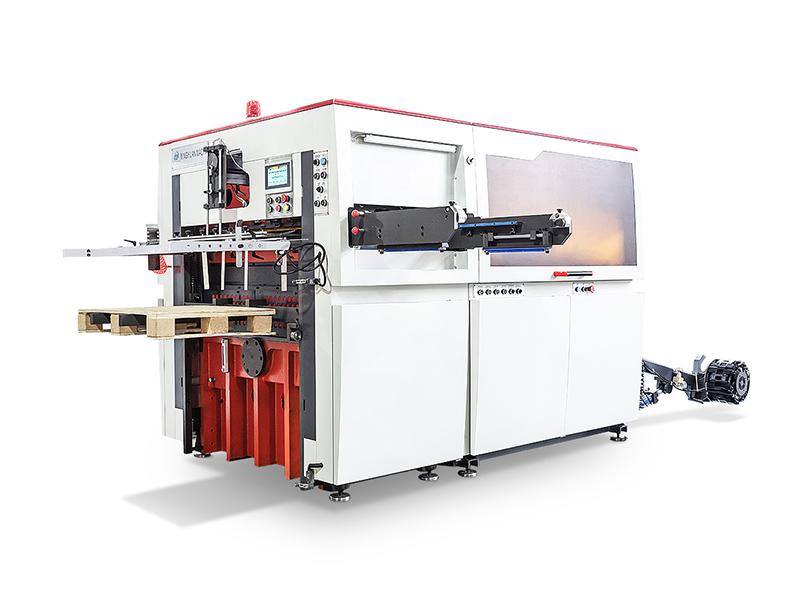
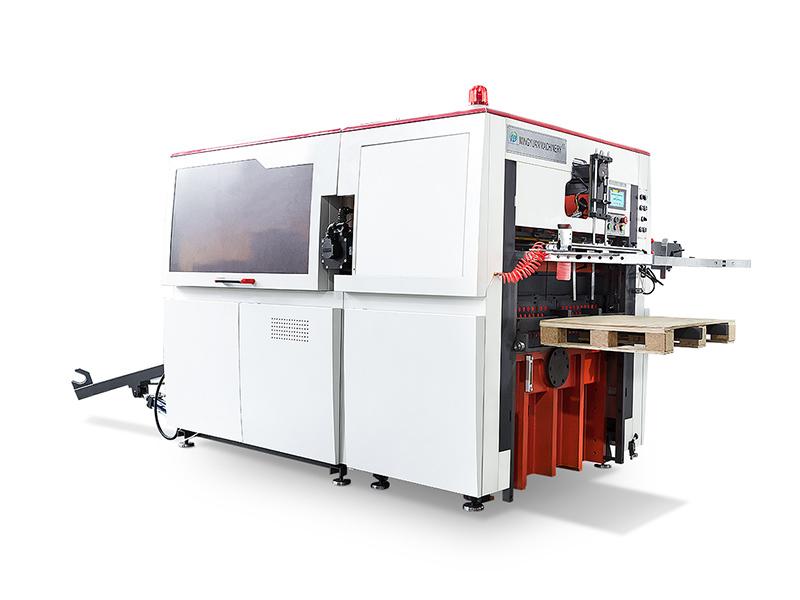
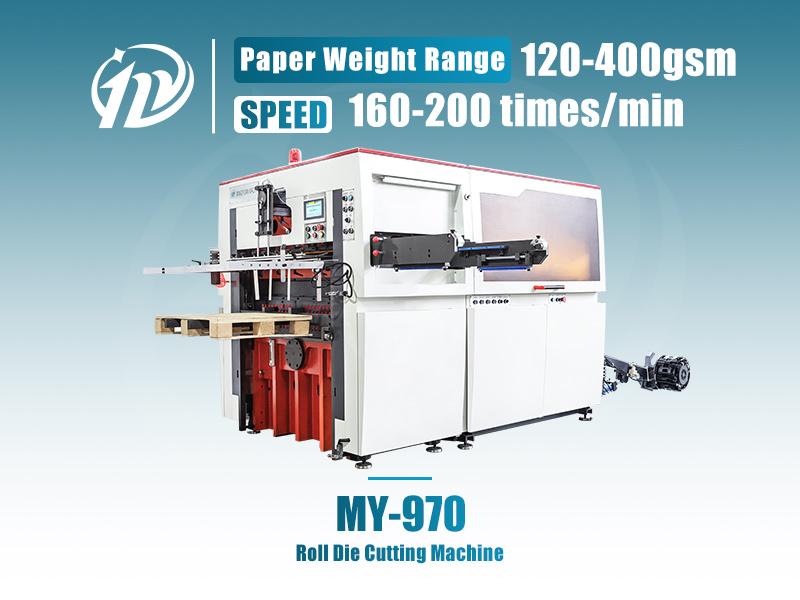
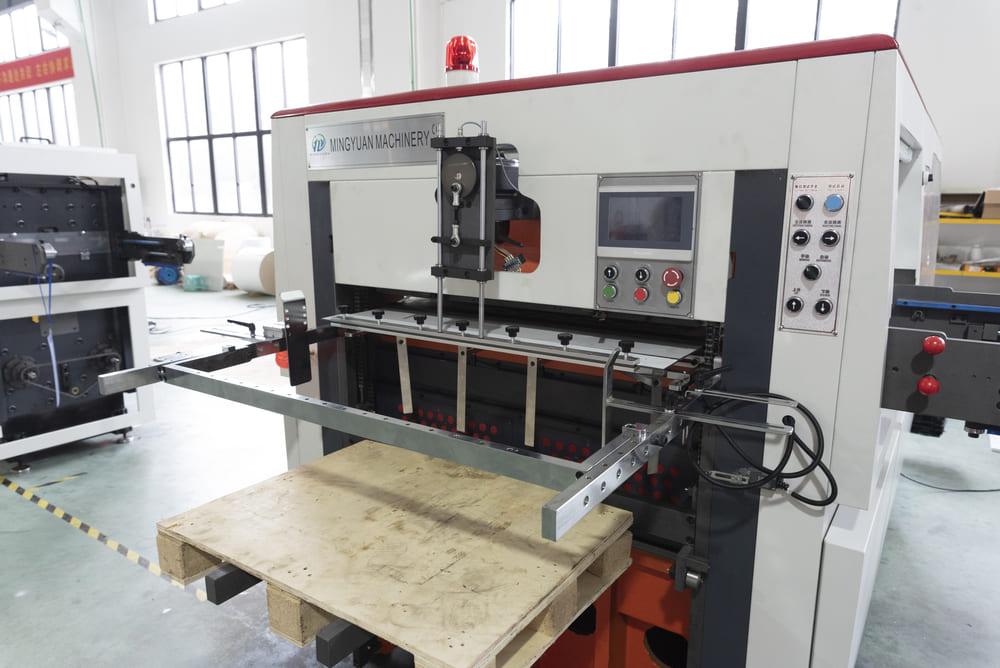
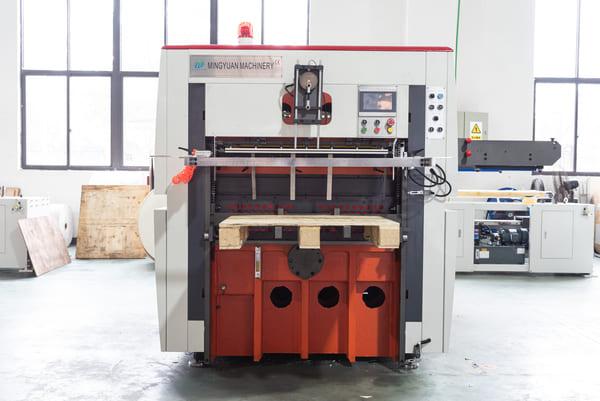
The MY-970-A18 paper cup roll die cutting machine is a roll-fed converting machine that cuts printed or unprinted paper roll stock into flat paper cup fan blanks. It sits upstream of cup forming: the accuracy of the fan outline, the register of the printed pattern and the cleanliness of the cut edge all carry through to the finished cup. Buyers planning a paper cup, paper bowl or related food-packaging line should consider this machine when they need fan blanks produced in-house rather than purchased pre-cut.
Where It Fits in a Paper Cup Line
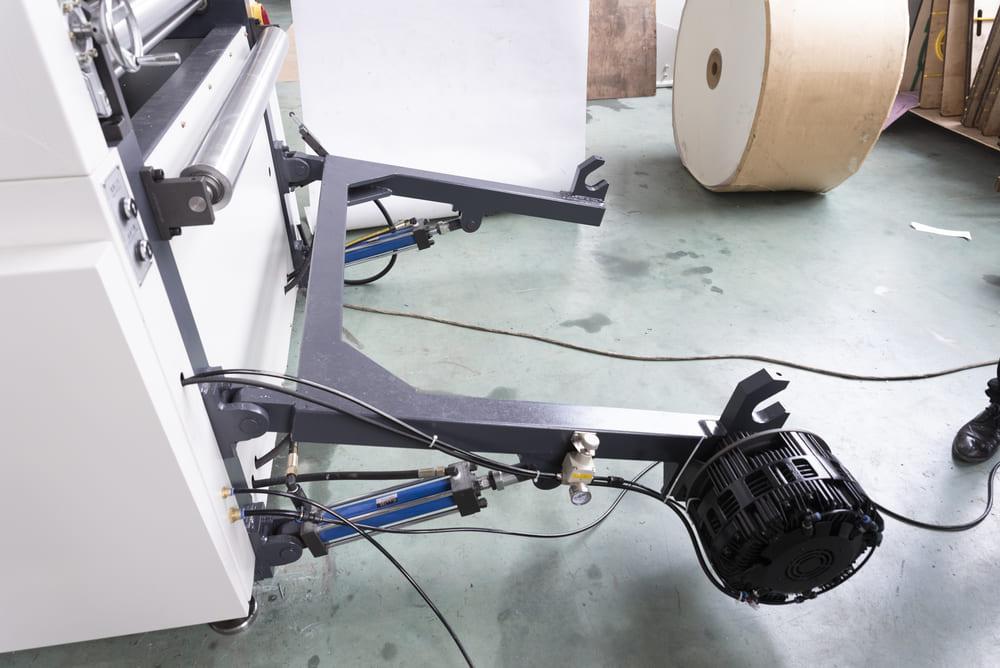
Roll die cutting is a separate stage from cup forming, printing and packing. This machine receives paper from a roll, feeds it through a servo-positioned cutting station and delivers counted, orderly stacked fan blanks. It does not print, form or seal cups, and it should not be presented as a complete production line. If your project also needs forming, plan the die cutter as one module within a wider line layout and confirm the interface between stages with the supplier.
For buyers comparing die cutting options across models, the cup die cutting machine range shows how roll-fed and other configurations differ in scope and station layout.
Machine Concept and Control Architecture
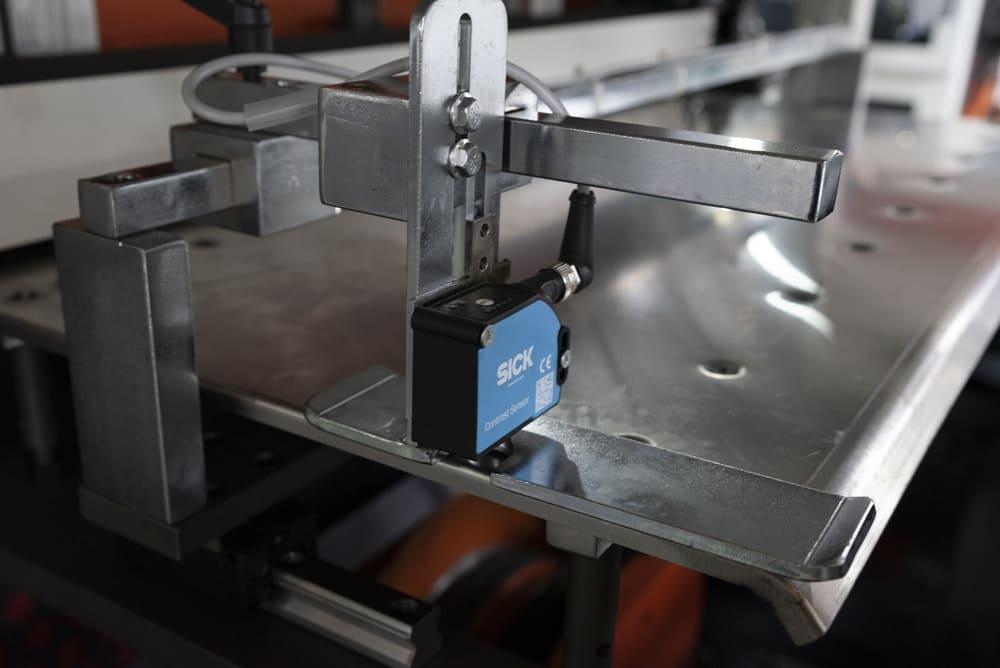
The machine is built on a micro-computer control platform with a human-machine interface, servo positioning, automatic counting, a photoelectric deviation-correcting system, centralized oil lubrication, overload protection and a geared drive train. Together these features support smooth paper return and feeding, precise positioning and orderly withdrawal of cut blanks. The design intent is steady cutting pressure, repeatable register and safe, reliable running. Confirm the actual control configuration, servo scope and imported component list for your order with the supplier before purchase.
Selection Variables to Confirm Before Quotation
Die cutting specifications are driven by the fan blank, not by the cup alone. Send the following so the machine and tooling can be matched:
- Cup drawing or physical sample, with top diameter, bottom diameter and height.
- Paper fan layout or blank drawing, including the required cut size and any handle or special profile.
- Paper type, coating and GSM, since heavier or coated stock affects cutting pressure and edge quality.
- Whether the roll is pre-printed, and if so the register marks and repeat length.
- Target output and shift pattern, so rated cutting speed can be discussed against realistic stable output.
- Workshop voltage and frequency, compressed air supply, and available floor space for machine and roll handling.
- Blade and die inventory plan, including how often profiles are expected to change.
Confirmed values for cutting speed, cutting pressure, paper size range, suitable paper weight and overall dimensions are listed in the Technical Specifications field on this page. Final configuration is to be confirmed against your drawings.
Configuration Boundaries
A roll die cutter is tooling-specific: the die and the feeding setup are matched to one fan profile. Changing cup size or fan shape generally means changing tooling, and the changeover time and spare die requirement should be agreed in writing. Optional items such as additional dies, unwinding arrangements or downstream handling equipment are not standard unless confirmed in the quotation. Ask the supplier to state clearly what is included in the base machine and what is quoted separately.
| Project input |
Why the supplier needs it |
| Cup and fan drawings |
Defines die profile, blank size and whether the requested blank falls within the machine's cutting range. |
| Paper type, coating and GSM |
Affects cutting pressure setting, edge quality and dust control expectations. |
| Print register requirements |
Determines how the photoelectric deviation-correcting system must be set up for pre-printed rolls. |
| Target output and shift pattern |
Allows rated speed to be discussed against realistic stable output for your product mix. |
| Utilities and floor layout |
Supports power, air and space planning, plus roll loading and blank collection positions. |
| Tooling and maintenance plan |
Clarifies spare die needs, lubrication routine and operator training scope. |
Installation, Operation and Maintenance Planning
Because the machine uses centralized oil lubrication and a geared drive, a scheduled lubrication and inspection routine is part of normal operation. Plan for operator training on the HMI, die setting, register adjustment and safe roll handling. Overload protection is built in, but the cutting station should still be treated as a guarded, high-pressure area. Ask the supplier for the recommended maintenance intervals, spare parts list and the safety guarding scope supplied with the machine.
Next Step
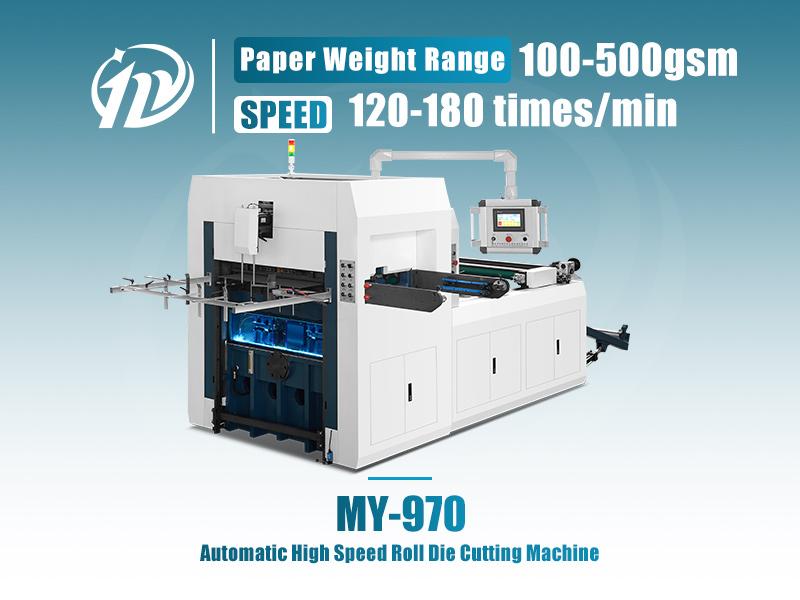
To receive a matched quotation, send your cup drawing or sample, fan blank drawing, paper type and GSM, print status, target output, voltage and frequency, air supply details and workshop layout. You can also review the MY-970-A18 roll die cutting machine page for the model overview, or compare the wider MY-970 automatic high speed roll die cutting machine configuration if higher throughput is part of your plan. Use the inquiry form on this page or the WhatsApp contact option to start the discussion.


 Model
 Rated Cutting Speed
 Max Cutting Pressure
 Max Cutting Paper Size
 Suitable Paper Weight
 Overall Dimensions
 Certification


 Tel: +86-13362708280
 Email: george@paper-cupmakingmachine.com
 MP/WhatsApp: +86-13362708280
 Manufacturer Address:No.1588, Huaming Road, Feiyun Street,Ruian City Zhejiang Province -325200 China



The user manual is detailed with clear images, which makes learning easy for new operators.Dennis 2025-10-14
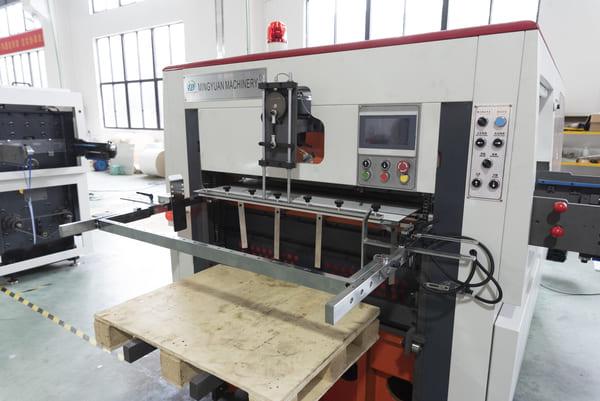
The touchscreen controls are responsive and easy to understand. Feels like a modern machine.Jerry 2025-10-14