MYC-ZDJ1200 Full servo motor driven paper plate machine
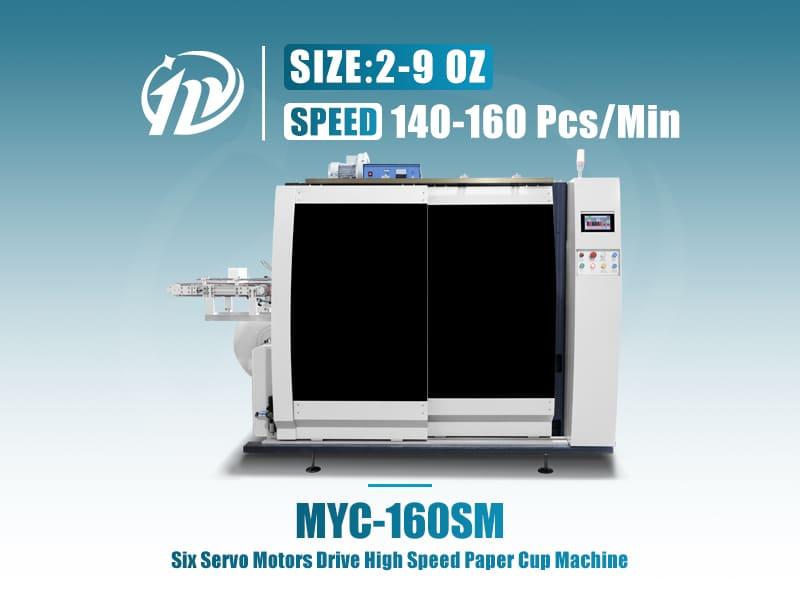
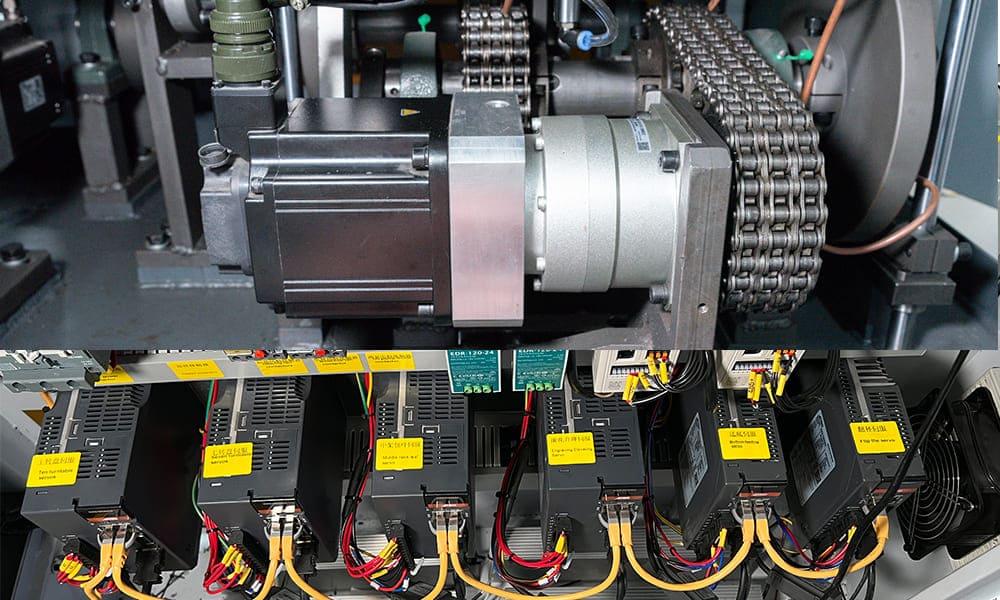
MYC-160SM Six Servo Motors Drive High Speed Paper Cup Machine
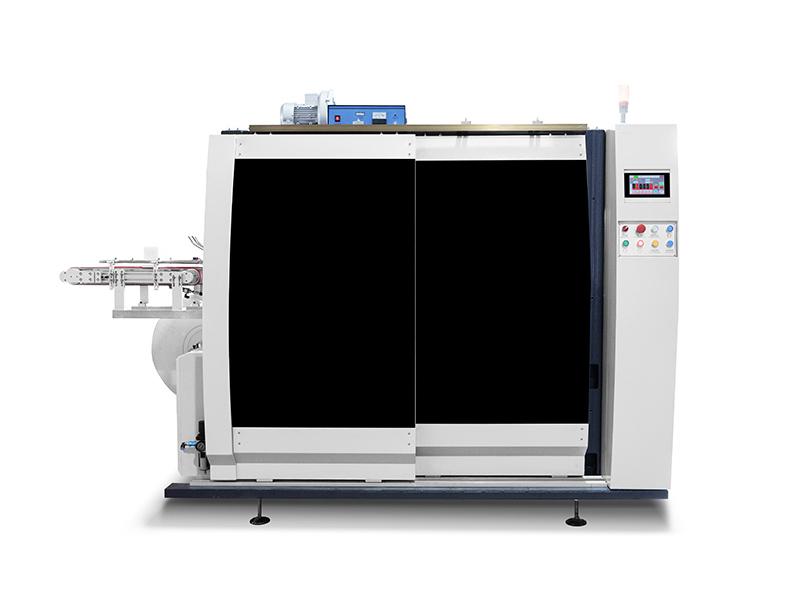
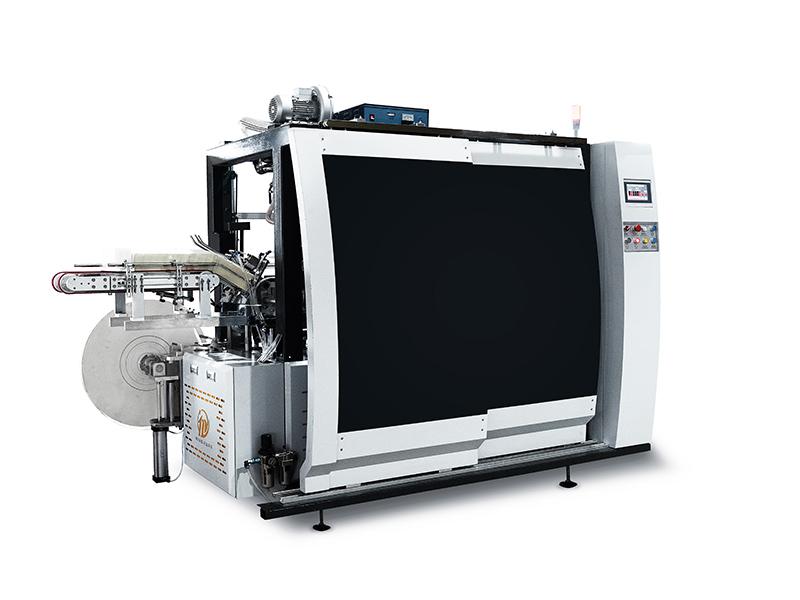
The MYC-160SM is a high speed paper cup forming machine built around six servo motor drives. It is intended for converters and food-packaging producers who need a compact single-wall cup line running in the small-cup range, and who want the forming stations synchronized by servo control rather than by a purely mechanical drive train.
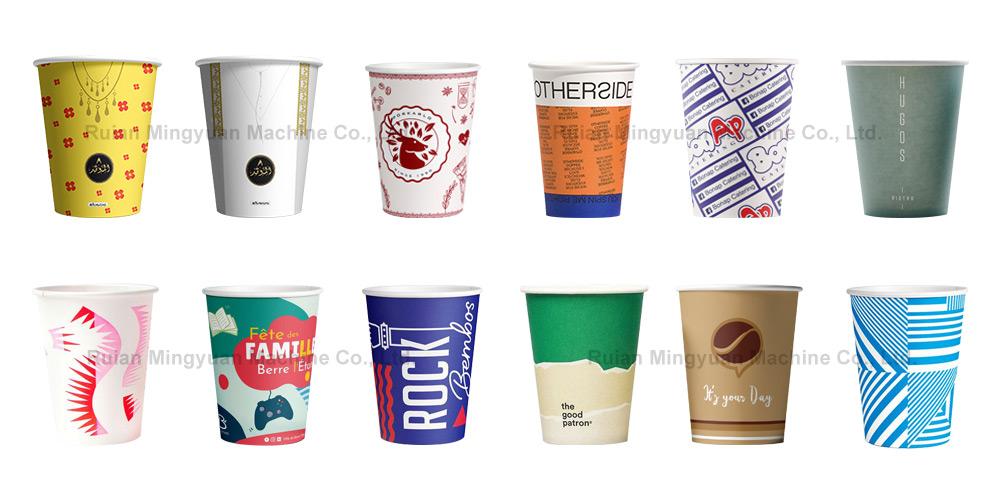
What this machine produces
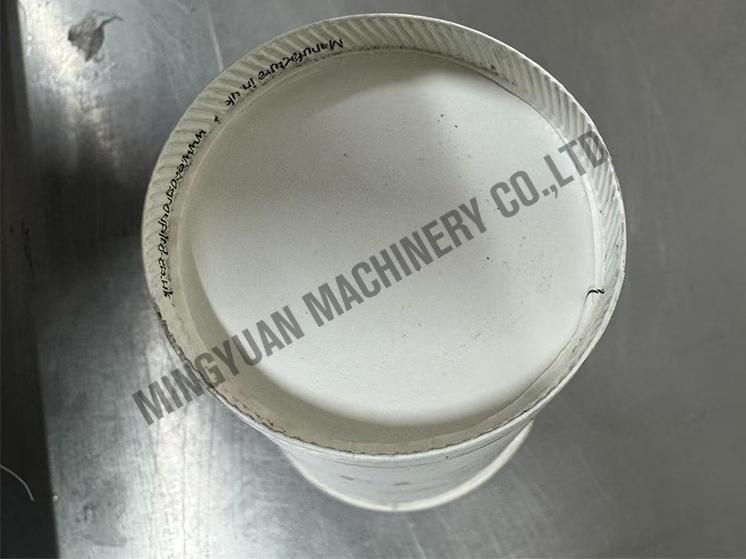
The MYC-160SM forms single-wall paper cups in the small-size range shown in the Technical Specifications. Typical applications for cups in this size band include tasting and sampling cups, ice cream and dessert cups, small beverage and espresso cups, and portion cups for food service. Buyers should confirm their exact cup drawing against the confirmed size range before ordering, because cup top diameter, bottom diameter and height all influence the tooling set supplied with the machine.
How the servo drive changes the process
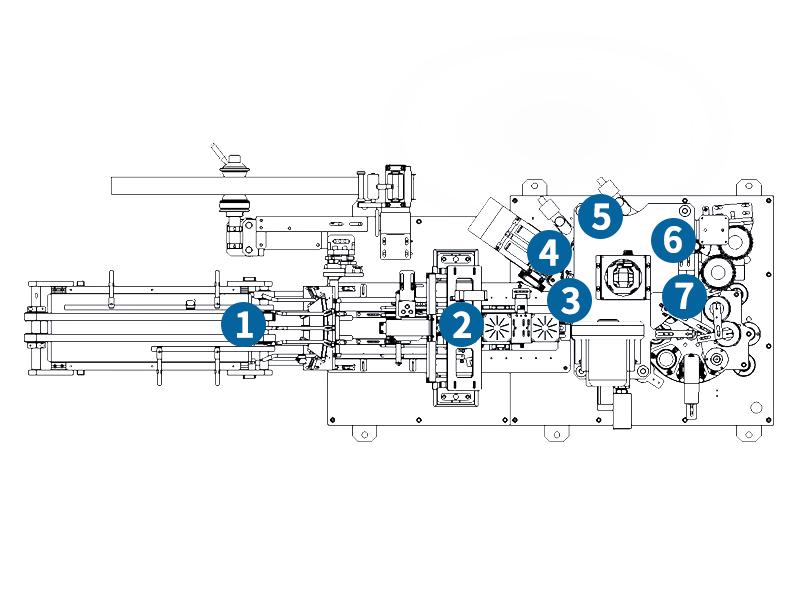
Six servo motors drive the machine's main motions, so the forming stations run in synchronization under electronic control instead of relying only on a shared mechanical shaft. In practice this supports smoother indexing at higher cycle rates and makes timing adjustments between stations easier to manage during setup and maintenance.
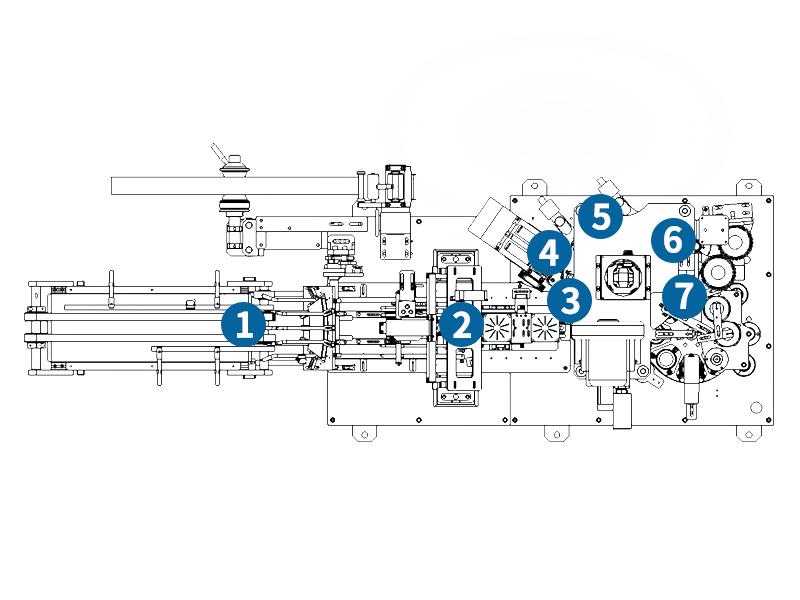
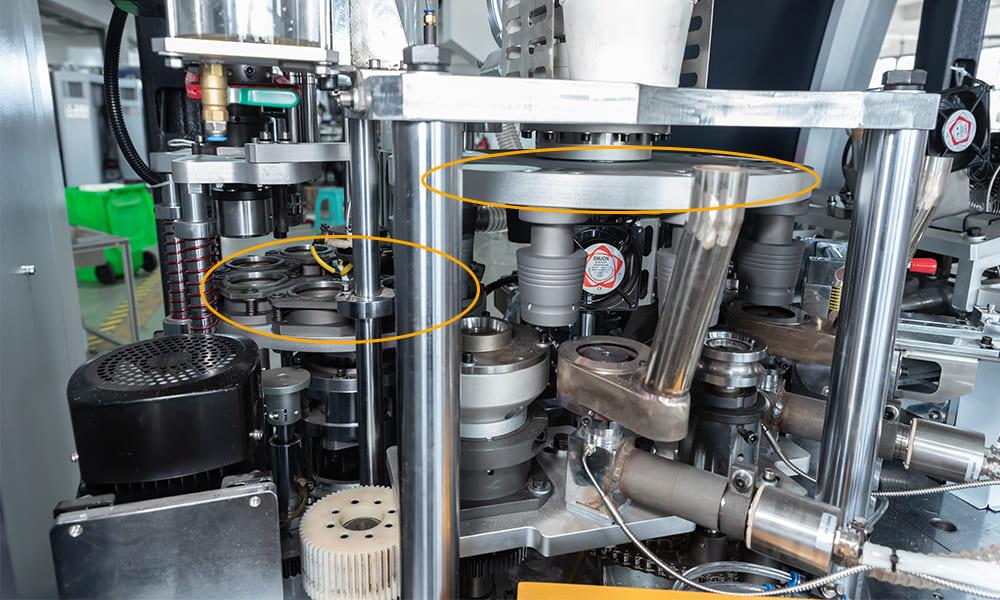
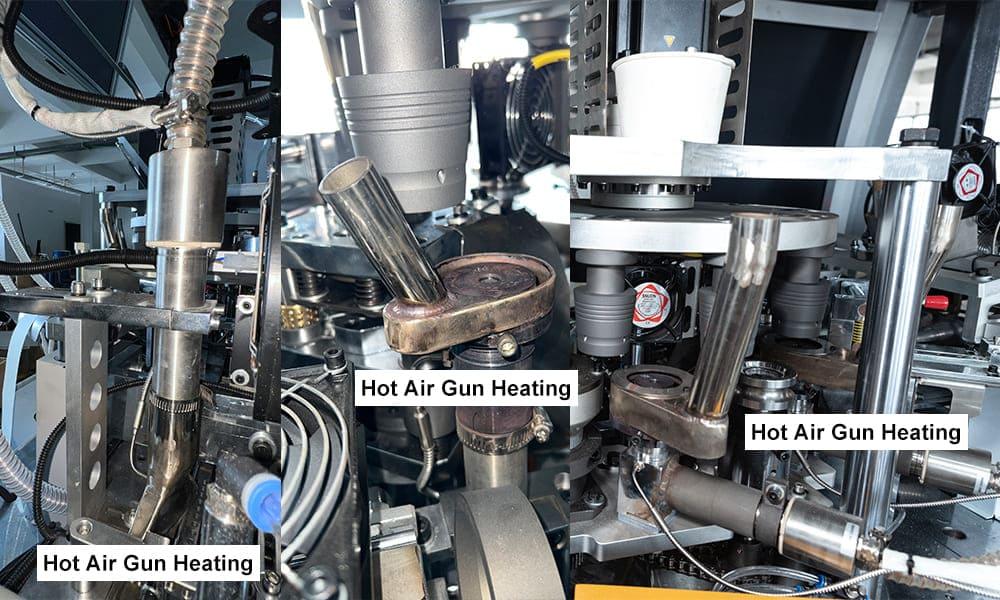
The forming sequence is supported by a single rotary paper fan feed unit, a double turnplate design, two-stage top rim heating and curling, an automatic oil lubrication system and a hot air heating system. Together these elements are aimed at stable running at speed and at reducing the frequency of minor stoppages.
Control, monitoring and protection
The machine is operated through a PLC touch screen interface. Multiple sensors monitor abnormal operating conditions and support automatic shutdown and collision protection. For a production team, this means faults are more likely to stop the machine before they damage tooling or produce a run of rejected cups — but the actual detection scope and sensor set should be confirmed against the final configuration.
Selection variables to confirm before quotation
The body of this page explains the machine concept; the confirmed values for model, cup size range, speed, power, air requirement, dimensions and weight are held in the Technical Specifications field. The points below are the variables a buyer should settle first, because they determine tooling, utilities and line layout.
| Decision area |
What to confirm |
Why it matters |
| Cup format |
Cup drawing or physical sample with top diameter, bottom diameter and height |
Defines the tooling set and whether the cup falls inside the confirmed size range |
| Paper and coating |
Base paper type, GSM and coating (for example PE or PLA-lined) |
Affects fan blank feeding, sealing behaviour and hot air heating settings |
| Target output |
Required good cups per shift, not only peak rate |
Rated speed and stable production output are different figures; plan capacity on stable output |
| Utilities |
Available voltage, frequency and compressed air supply |
Determines electrical configuration and air preparation before shipment |
| Workshop and packing |
Floor space, layout, cup collection method and packing requirement |
Influences machine placement, discharge arrangement and downstream handling |
| Downstream scope |
Whether printing, die cutting, inspection or packing equipment is part of the project |
These are separate stages; confirm which are included rather than assumed |
Where this machine fits in a production line
Cup forming is one stage of a wider process. Printed fan blanks are usually prepared upstream — roll die cutting is a common way to convert printed paper into cup fans, and the MY-970 automatic high speed roll die cutting machine is the related equipment in this range. Downstream, cups may be inspected, sleeved, bagged or boxed. Buyers planning a double-wall or otherwise different cup construction should review the single and double wall paper cup solutions before fixing the machine model, since the construction changes the required forming stages.
Information to send with your inquiry
- Cup drawing or a physical sample, with top diameter, bottom diameter and height.
- Paper type, GSM and coating, plus any print or food-contact requirement.
- Required output per shift and the working pattern (single or multi-shift).
- Workshop voltage and frequency, and the available compressed air supply.
- Workshop layout or available floor space, and how finished cups will be collected and packed.
- Whether the project includes upstream printing/die cutting or downstream inspection and packing.
Send these details through the inquiry form on this page or contact us on WhatsApp, and the configuration can be matched to your cup rather than to a generic specification. If any parameter is not yet fixed on your side, say so — it is better to confirm it during quotation than after the machine is built.
Installation and maintenance planning
The automatic oil lubrication system reduces manual lubrication work, but it still requires a scheduled oil check and replenishment routine. Hot air heating elements, the curling station and the paper fan feed unit are the areas most worth including in a preventive maintenance checklist. Before installation, confirm the foundation and leveling requirements, the electrical supply, and the air preparation arrangement with the supplier, and plan for a trial run with your own paper and cup size.
For a view of the machine in operation, see the MYC-160SM double turnplate paper cup machine operation video collection.



 Mini Capacity (8 hours/day)
 Speed
 Size
 Power
 Raw Material
 Suitable Paper Weight
 Certification



 Tel: +86-13362708280
 Email: george@paper-cupmakingmachine.com
 MP/WhatsApp: +86-13362708280
 Manufacturer Address:No.1588, Huaming Road, Feiyun Street,Ruian City Zhejiang Province -325200 China