What Should Buyers Confirm Before Choosing a Manufacturing Machine?
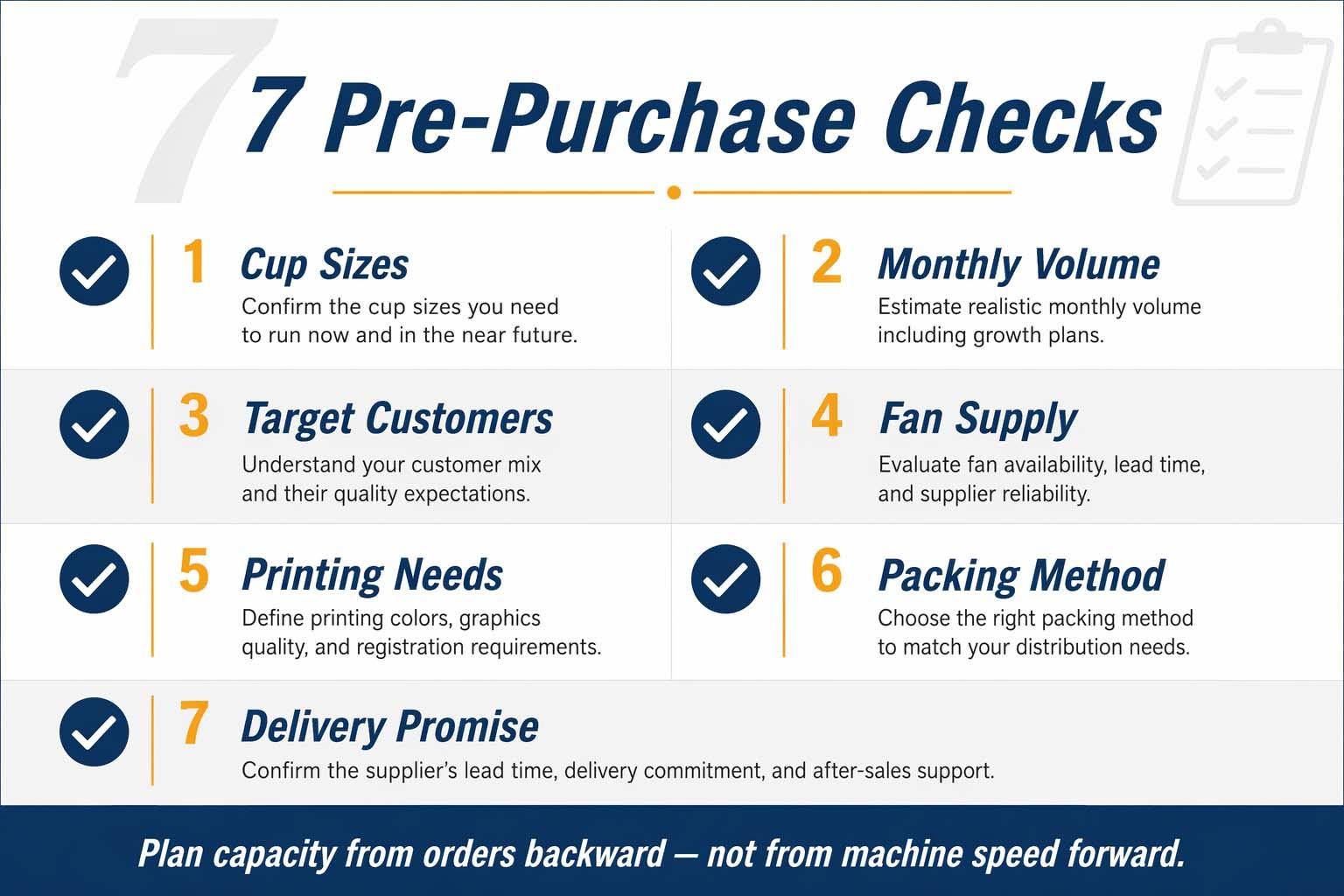
A paper cups manufacturing machine should be selected after the buyer understands expected cup sizes, monthly order volume, target customers, paper cup fan supply, printing requirements, packing method, and delivery promise. Choosing only by speed or machine price can create a factory that looks productive on paper but struggles to deliver profitable cups.
The practical question is not simply “Which machine can make cups?” The better question is: Which machine setup can turn my real orders into saleable cups with controlled waste, manageable labor, and stable delivery? That answer depends on the full production workflow, not only the forming unit.
For buyers comparing a paper cup machine with a wider manufacturing line, the safest approach is to plan capacity from orders backward. Start with repeat customer demand, then decide machine speed, mold quantity, upstream paper preparation, and downstream packing.
What Does a Paper Cups Manufacturing Machine Include?
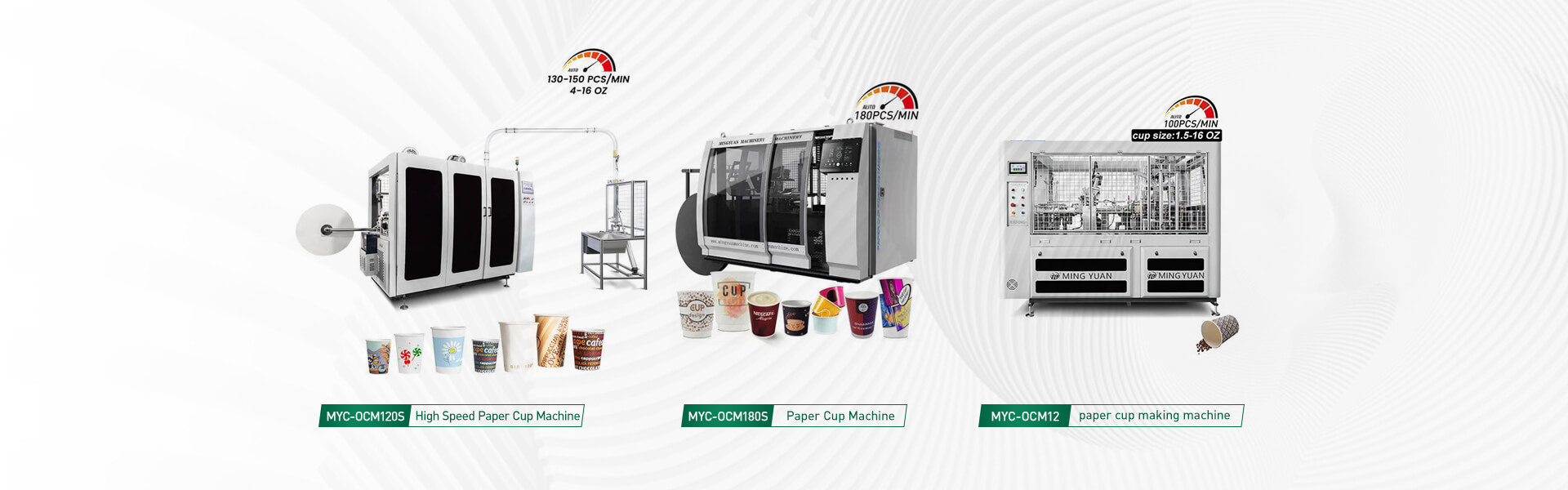
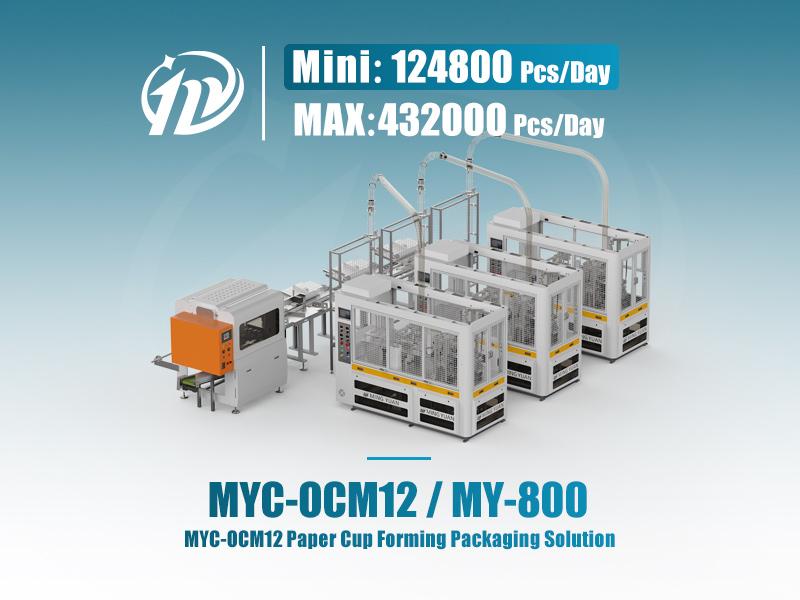
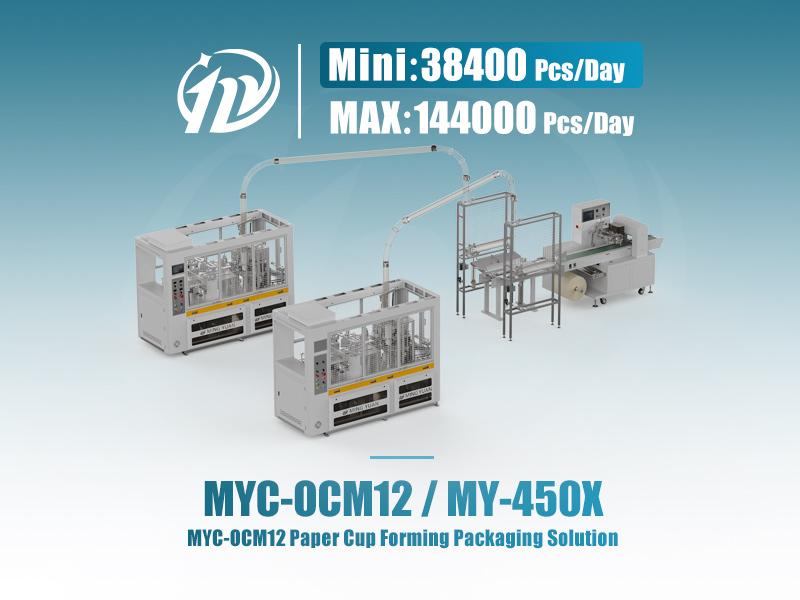
In buyer searches, the term paper cups manufacturing machine may refer to one forming machine, or it may mean a broader paper cup manufacturing line. This difference matters. A single forming machine turns prepared paper cup fans and bottom paper into finished cups. A production line may also include printing, die cutting, inspection, counting, packing, and carton-related equipment.
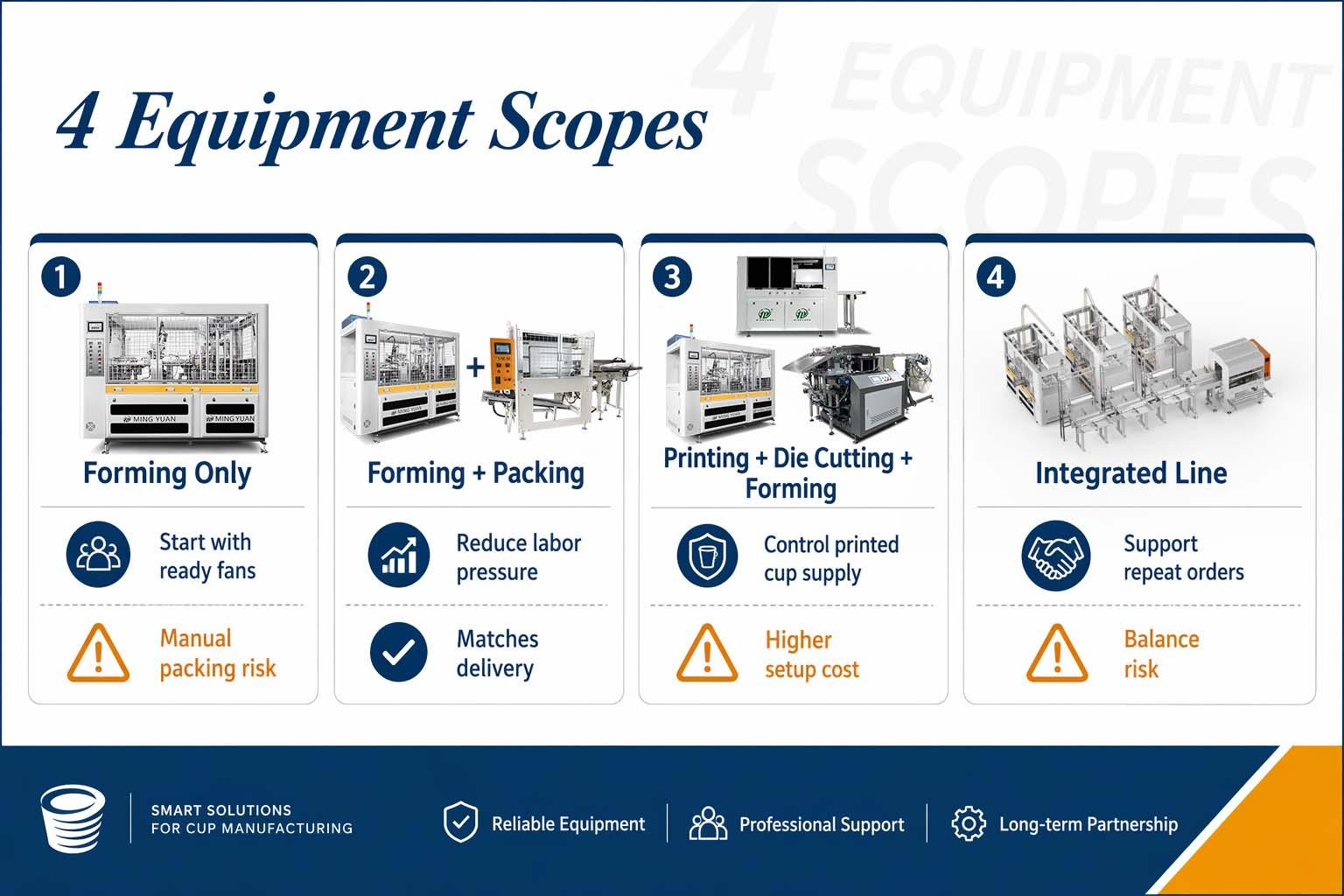
| Equipment Scope | What It Solves | Main Buyer Risk |
|---|
| Forming machine only | Starts cup production with ready paper cup fans | Depends heavily on outside fan supply and manual packing |
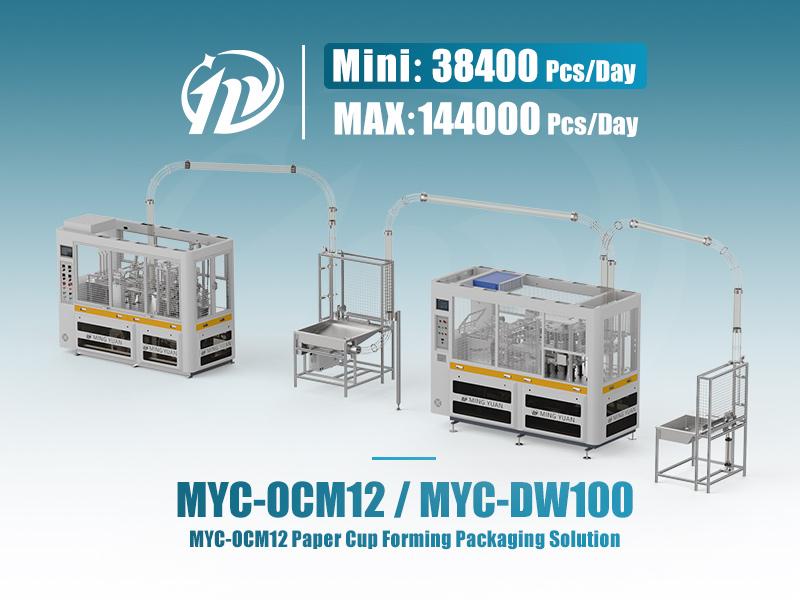
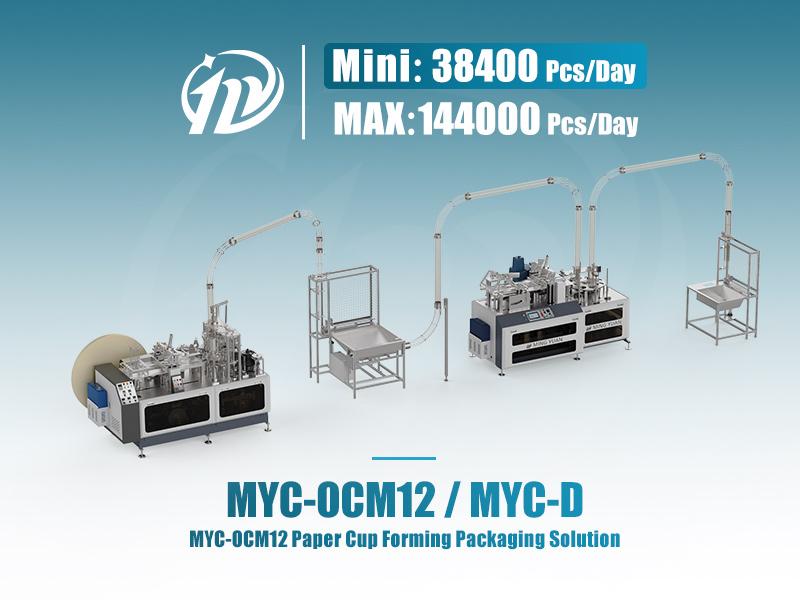
| Forming plus packing | Reduces labor pressure after cups are formed | Packing specification must match customer delivery habits |
| Printing, die cutting, and forming | Improves control over printed cup orders and fan supply | Higher setup cost and more process management |
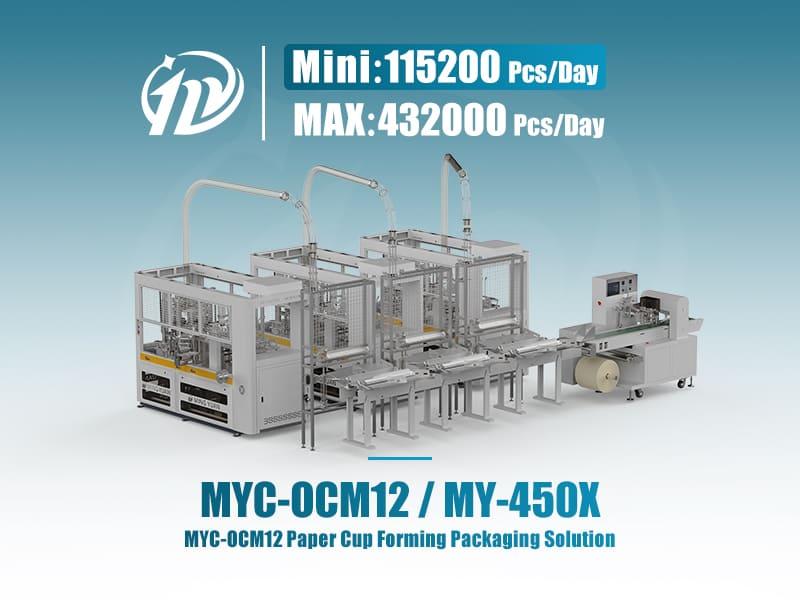
| Integrated manufacturing line | Supports larger repeat orders and planned delivery cycles | Wrong line balance can create unused capacity |
Buyers should define the scope before requesting a quotation. Otherwise, two suppliers may quote very different systems under the same keyword, and the lower price may simply exclude important workflow stages.
Machine speed is useful, but it is not the same as saleable output. A factory must subtract stoppage, changeover, rejects, inspection delay, and packing pressure. This is especially important for startup factories because the first months often include operator learning, material testing, and customer sample changes.
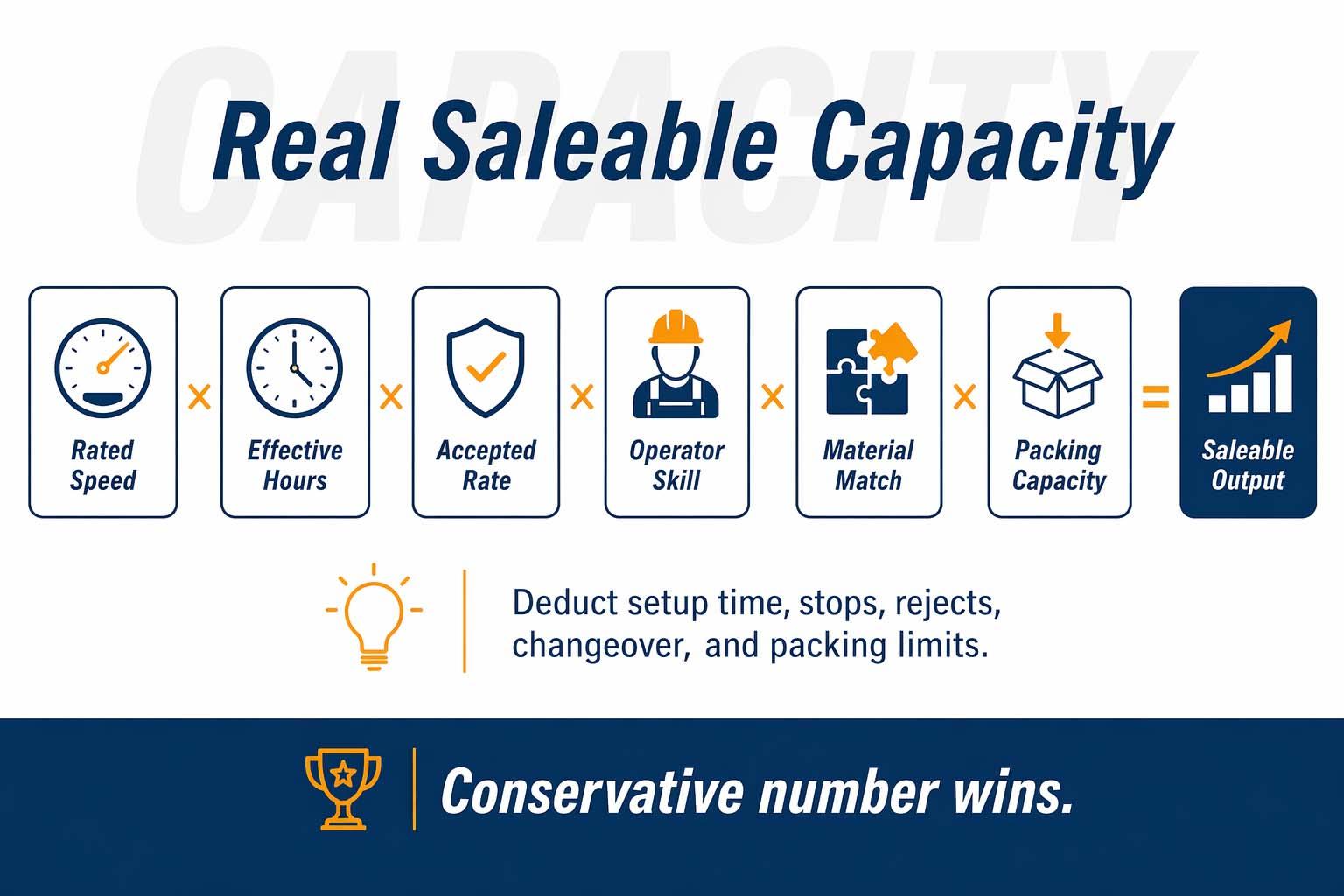
Practical capacity formula
Saleable cups per shift = rated speed × production minutes × operating efficiency × accepted cup rate
If a production machine is rated at 100 cups per minute, an 8-hour shift does not automatically produce 48,000 saleable cups. If the real production time is 390 minutes, operating efficiency is 80%, and accepted cup rate is 97%, the saleable output is about 30,264 cups. This number is more useful for order planning than the brochure speed.
A buyer should match equipment to conservative saleable capacity, not to the highest speed number. This protects cash flow because orders, labor, paper fan inventory, and delivery promises are built around realistic output.
How Cup Size Choice Affects Equipment Planning
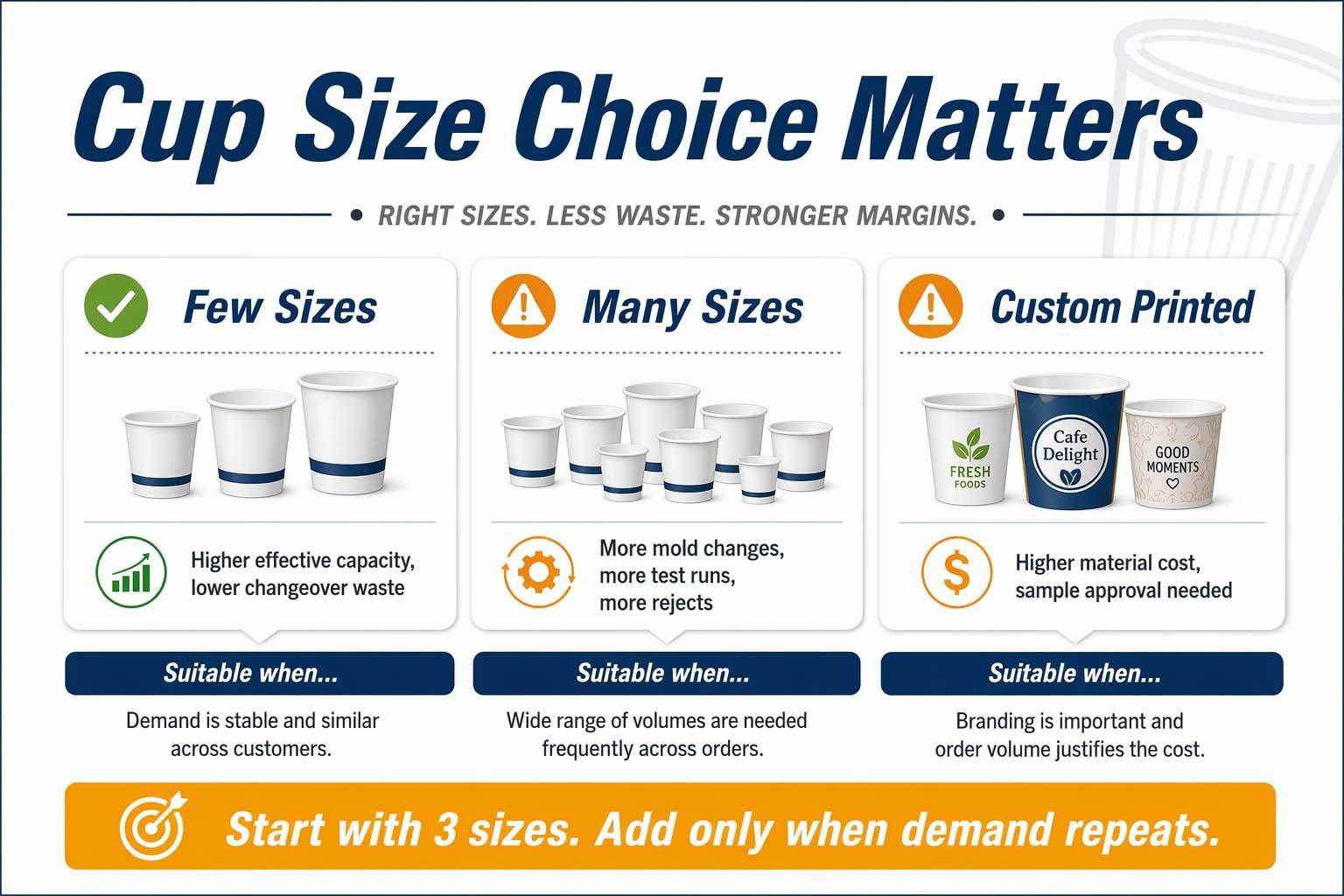
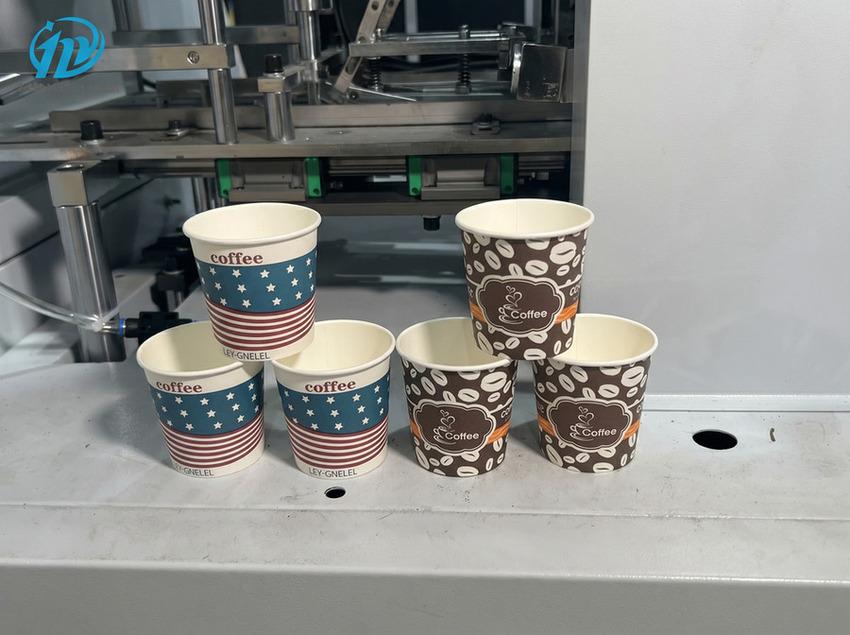
Cup size selection affects mold planning, paper cup fan inventory, bottom paper, packing quantity, carton size, and sales channel. A buyer serving coffee shops may need hot drink cups with stable branding. A water cup supplier may need simple high-volume cups with tight unit cost. A takeaway beverage supplier may care more about cup appearance, stacking, and reliable delivery.
| Cup Type | Typical Buyer Concern | Planning Focus |
|---|
| Coffee cups | Branding, heat resistance, repeat supply | Material, printing plan, size consistency |
| Water cups | Low cost and large quantity | Stable forming, high accepted output, packing speed |
| Tea and beverage cups | Product mix and seasonal demand | Flexible mold plan and inventory control |
| Printed promotional cups | Design approval and short-run risk | Sample confirmation and minimum quantity rules |
A small factory should not start with too many cup sizes. Every extra size can require more molds, more fan inventory, more packing materials, and more changeover time. The first product mix should be narrow enough to control cost but broad enough to serve repeat buyers.
Why Upstream and Downstream Balance Matters
A machine for the manufacture of paper cups cannot work profitably if the surrounding workflow is weak. If paper cup fans arrive late, the forming machine waits. If printing artwork changes repeatedly, material becomes risky. If packing is too slow, finished cups pile up and workers lose time sorting, counting, and bagging.
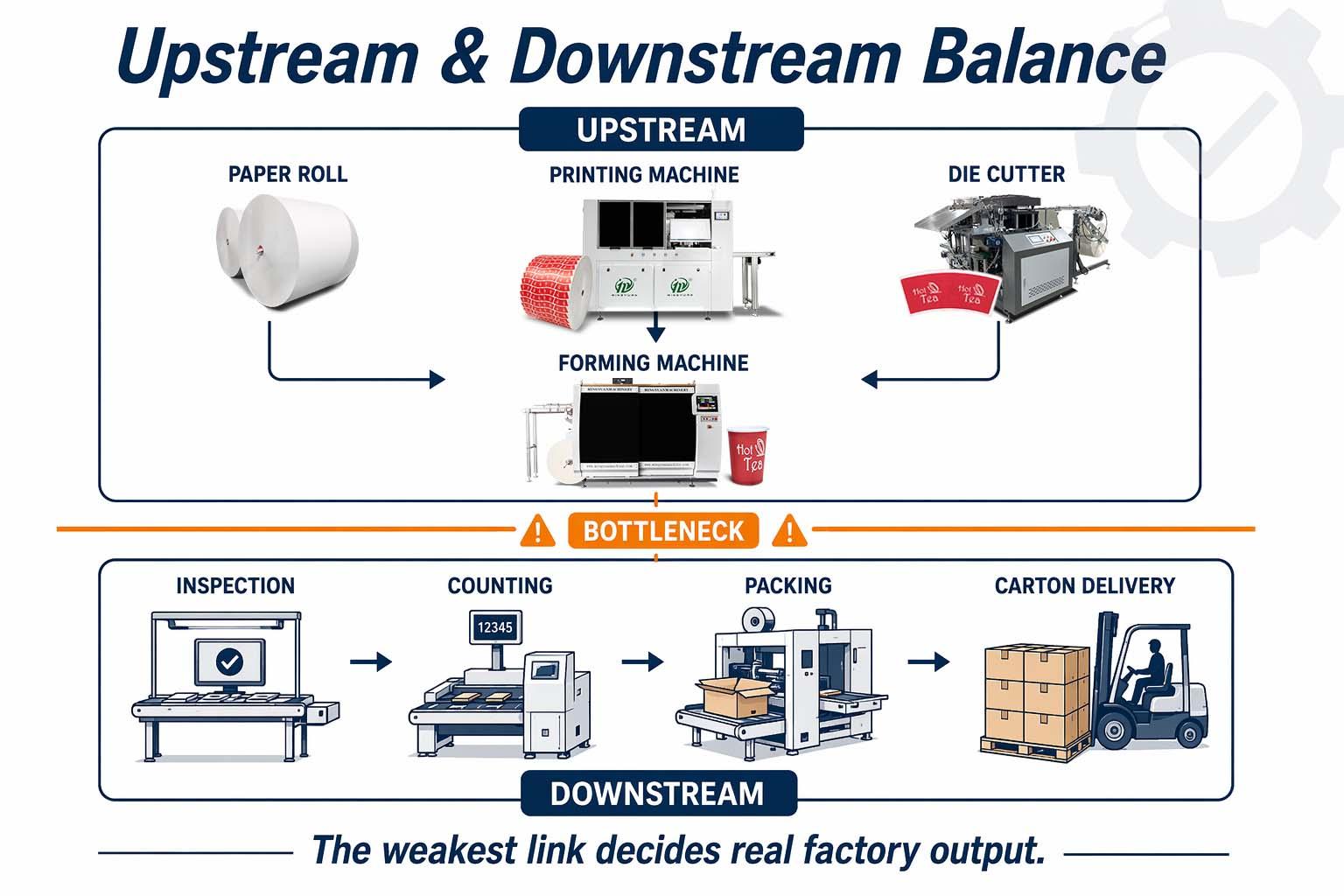
The production workflow should be viewed as one chain: paper cup fan supply, printing or fan purchasing, die cutting, forming, inspection, counting, packing, carton preparation, and delivery. A factory does not need to own every stage on day one, but it must know which stage controls cost and delivery.
- If customer designs change often, printed fan approval becomes a profit control point.
- If plain cups sell in large volume, forming stability and packing speed matter more.
- If buyers demand fast local delivery, fan inventory and carton preparation must be planned early.
- If labor is expensive or unreliable, automatic counting and bagging may become necessary sooner.
Which Setup Fits Different Buyer Situations?
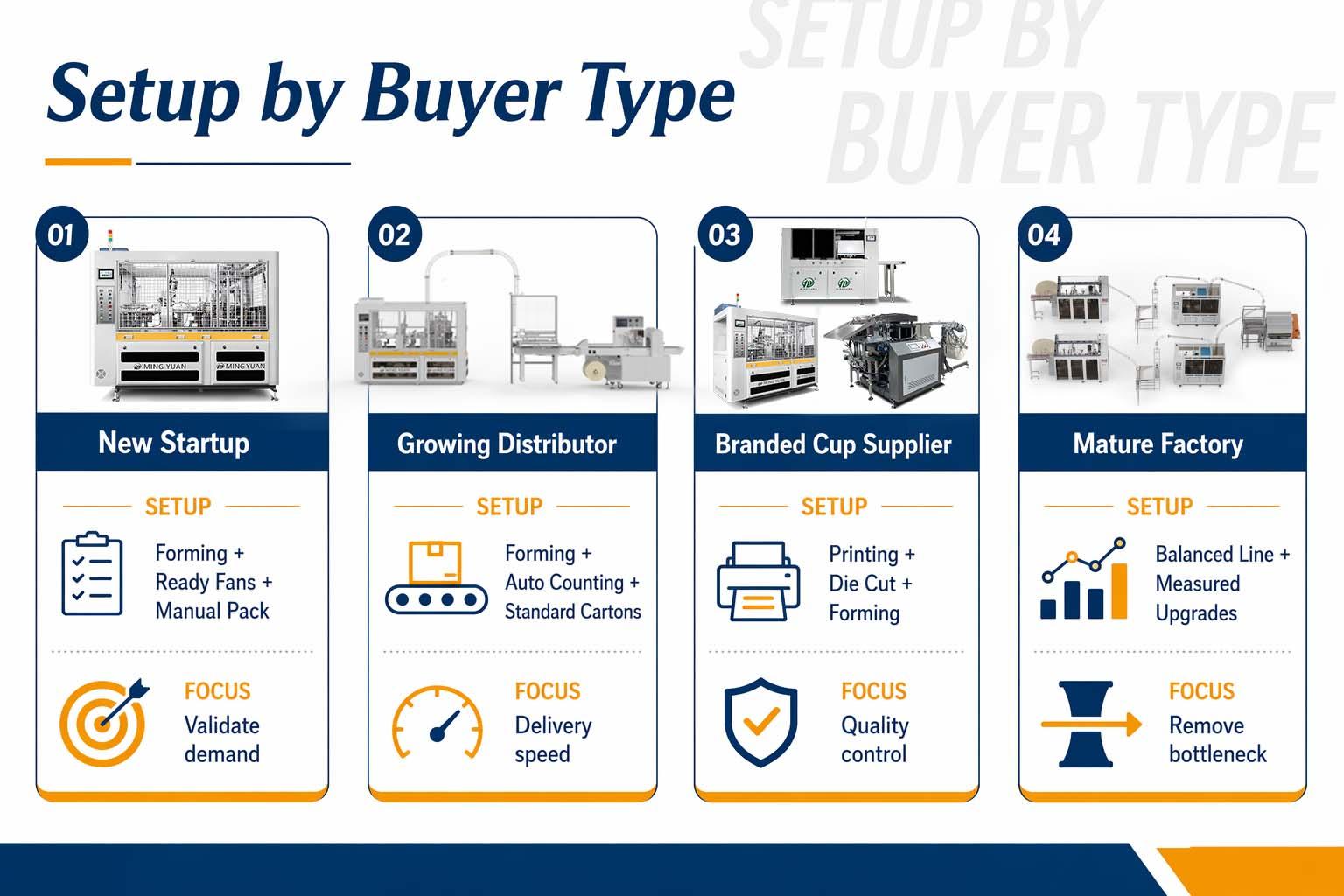
| Buyer Situation | Suitable Starting Setup | Reason |
|---|
| Startup factory with limited confirmed orders | One forming machine plus ready paper cup fans | Lower process complexity while demand is being tested |
| Local distributor with repeat plain cup demand | Forming machine with packing support | Packing speed protects delivery and reduces manual pressure |
| Coffee cup supplier with stable branded orders | Forming plus planned printing or reliable printed fan supply | Brand cups need artwork control and repeat material planning |
| Existing cup factory expanding capacity | Additional forming capacity or upstream/downstream upgrade | The bottleneck should decide the next investment |
The best equipment setup is not always the most complete line. The best setup is the one that removes the buyer's current bottleneck without creating a larger cash-flow burden.
A Practical Staged Investment Path
Many buyers reduce risk by building the manufacturing system in stages. This does not mean buying weak equipment first. It means matching the investment sequence to order maturity, staff capability, and working capital.
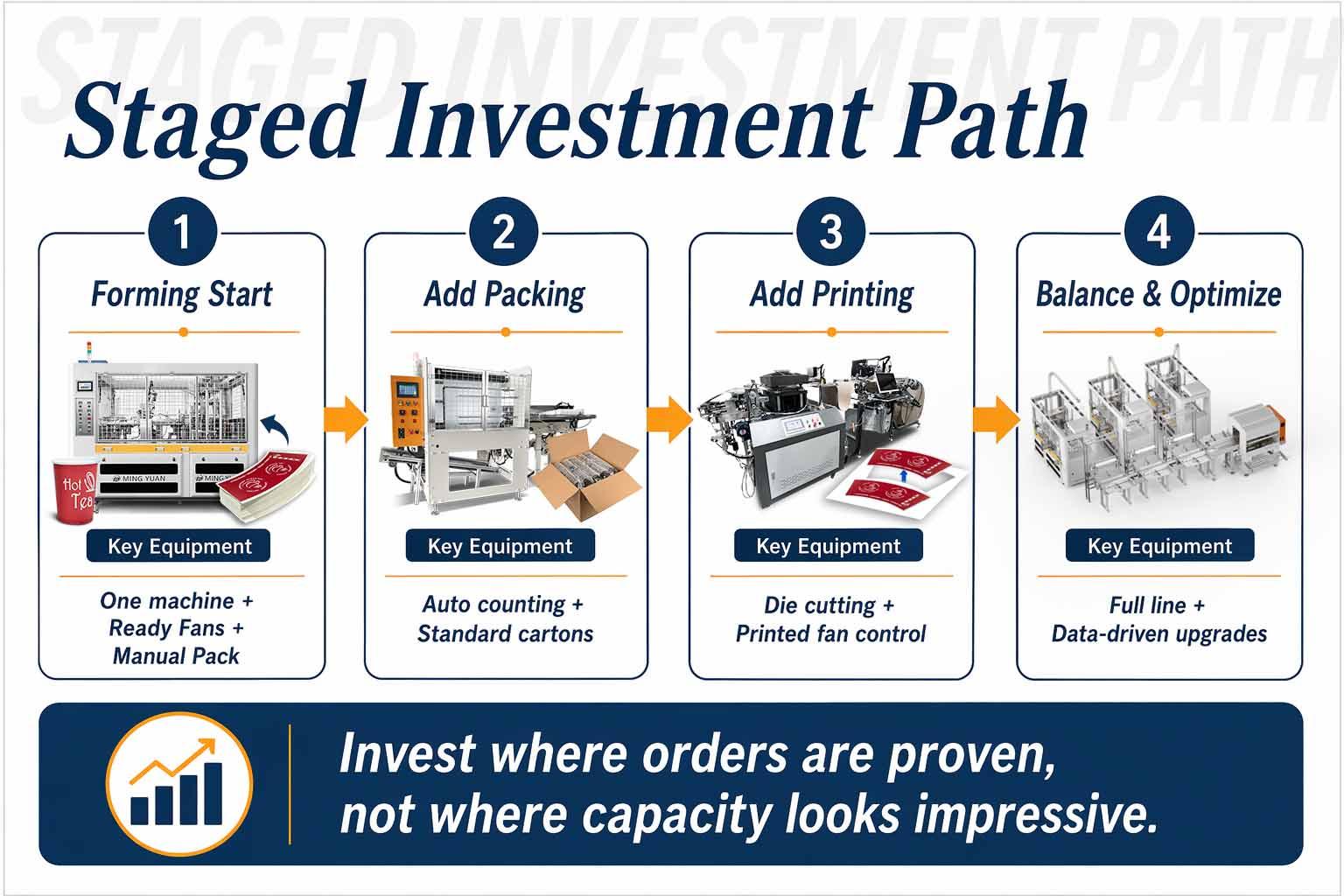
- Stage 1: Confirm repeat demand. Collect real buyer requirements for sizes, monthly volume, printing, packing, price, and delivery time.
- Stage 2: Start controlled forming. Use stable paper cup fans and focus on accepted output, operator routine, and product quality.
- Stage 3: Strengthen packing. Add counting, bagging, or packing support when manual work becomes the delivery bottleneck.
- Stage 4: Consider upstream control. Add printing or die cutting only when repeated printed orders and material volume justify it.
- Stage 5: Expand product mix carefully. Add sizes or related products after the first products already have stable sales.
Mistakes That Reduce Factory Profit
- Choosing a paper cup production machine only by rated speed and ignoring real accepted output.
- Buying molds for too many cup sizes before the market proves repeat demand.
- Forgetting that paper cup fan inventory, bottom paper, bags, and cartons require working capital.
- Adding printing equipment before artwork approval rules and minimum order quantities are clear.
- Letting formed cups wait because packing and carton preparation were not planned.
- Comparing quotations without checking what process stages are included.
Pre-Purchase Checklist
Before buying paper cup factory equipment, prepare a simple written plan. The plan does not need to be complicated, but it should answer the questions that affect cost and delivery.
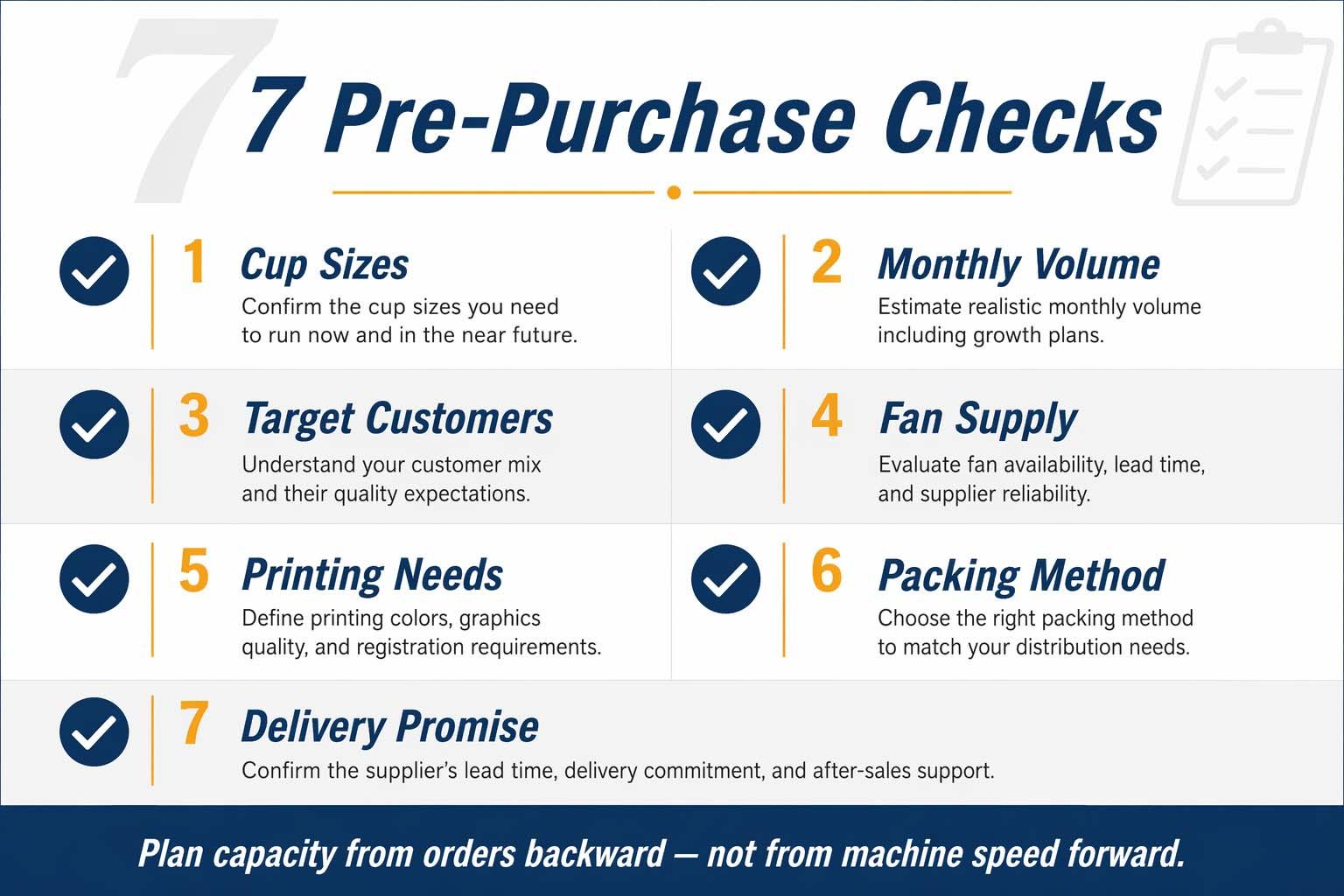
- Which three cup sizes have the strongest repeat demand?
- Will the first orders use plain cups, printed cups, or both?
- Will paper cup fans be purchased ready-made or prepared in-house later?
- How many saleable cups are needed per day under conservative efficiency?
- Who will inspect leakage, cup shape, stacking, and packing quantity?
- Can packing keep up with forming output during busy orders?
- How much working capital is available for paper, bags, cartons, and spare parts?
- Which equipment stage should be upgraded first if order volume grows?
Frequently Asked Questions
Is one forming machine enough to start a paper cup factory?
For many startup factories, one forming machine can be enough if ready paper cup fans are available and the buyer starts with a limited product mix. The key is to confirm repeat orders and packing capacity before expanding.
Should a buyer add printing and die cutting at the beginning?
Not always. Printing and die cutting can improve control, but they also add cost, staff requirements, and material responsibility. They make more sense when printed orders are stable and repeated.
What is more important than rated machine speed?
Accepted output per shift is more important. It includes real production time, operating efficiency, reject rate, inspection, changeover, and packing capability.
How many cup sizes should a new factory start with?
A new factory should usually start with a small number of high-demand sizes. Too many sizes increase mold cost, material inventory, changeover time, and sales complexity.
When should packing automation be considered?
Packing automation should be considered when manual counting, bagging, or sealing delays delivery, increases labor cost, or creates inconsistent packing quantities for repeat customers.
The Bottom Line
A paper cups manufacturing machine should be planned around real orders, saleable capacity, material supply, packing method, and investment stages. Buyers who only compare machine speed or low quotation price may miss the process costs that decide profit.
The strongest purchasing decision starts from confirmed cup demand, then builds the equipment configuration around the workflow needed to deliver those cups reliably.
Before choosing equipment, list your target cup sizes, monthly order expectations, fan supply method, printing needs, packing standard, and available working capital. This makes the discussion with the manufacturer more accurate and helps avoid paying for capacity that the factory cannot yet use.




 Tel: +86-13362708280
 Email: george@paper-cupmakingmachine.com
 MP/WhatsApp: +86-13362708280
 Manufacturer Address:No.1588, Huaming Road, Feiyun Street,Ruian City Zhejiang Province -325200 China