How Should Buyers Choose a Disposable Paper Cup Machine?
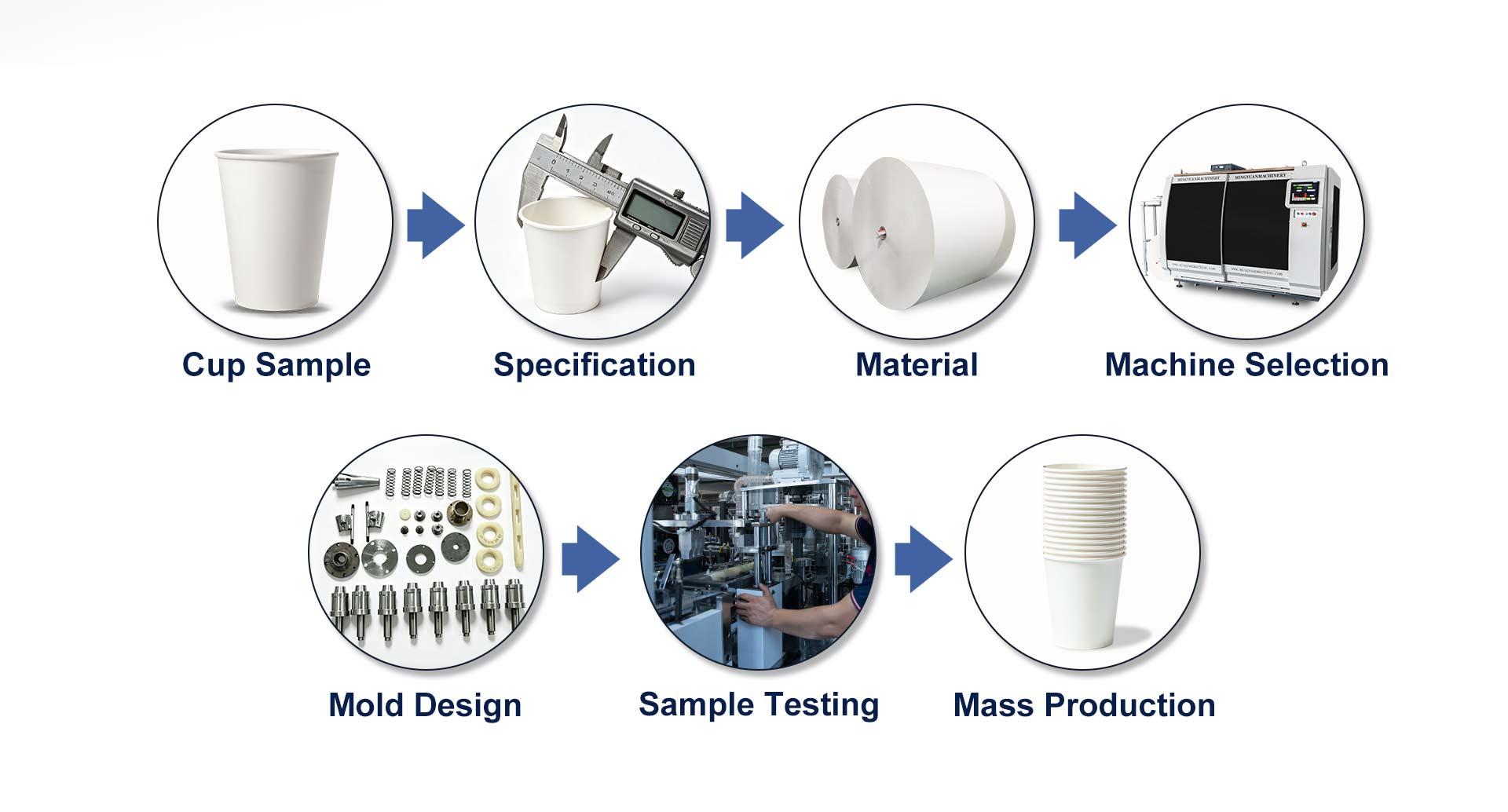
A disposable paper cup machine should be selected from the cup specification backward. Buyers need to define the cup volume, top and bottom diameters, height, paper weight, coating, side-seam requirement, bottom construction, expected monthly orders, and packing method before comparing machine models.
Machines with similar advertised speeds may serve different cup ranges or production conditions. A configuration that performs well with a standard water cup may not be the best choice for a tall takeaway cup, a heavier hot-drink cup, or a product that needs frequent size changes. The mold, feeding system, heating and sealing process, inspection method, and operator workflow all affect the final result.
The correct machine is the one that repeatedly produces the buyer's priority cups at an acceptable reject rate and operating cost, not the machine with the largest speed number.
Which Cup Specifications Must Be Confirmed First?
Cup volume alone is not enough to prepare a machine and mold. Two cups described with the same ounce capacity may have different shapes, dimensions, rim requirements, and paper consumption. A drawing or physical sample provides a more reliable starting point.
| Specification | Why It Matters | Evidence to Provide |
|---|
| Top and bottom diameter | Defines cup taper, forming parts, and bottom size | Dimensioned drawing or approved sample |
| Cup height | Affects fan geometry, feeding, and forming range | Finished height and rim details |
| Paper and coating | Influences stiffness, heating, sealing, and feeding | Paper weight, coating type, and coating side |
| Side overlap | Supports reliable side sealing and fan design | Approved fan drawing |
| Application | Hot drinks, cold drinks, water, and takeaway service create different expectations | Product use and customer quality requirements |
Confirming these details before quotation reduces later mold changes, sample revisions, and material mismatch. It also allows the machine supplier to determine whether the requested products belong within one practical equipment range.
Can One Machine Produce Every Paper Cup Size?
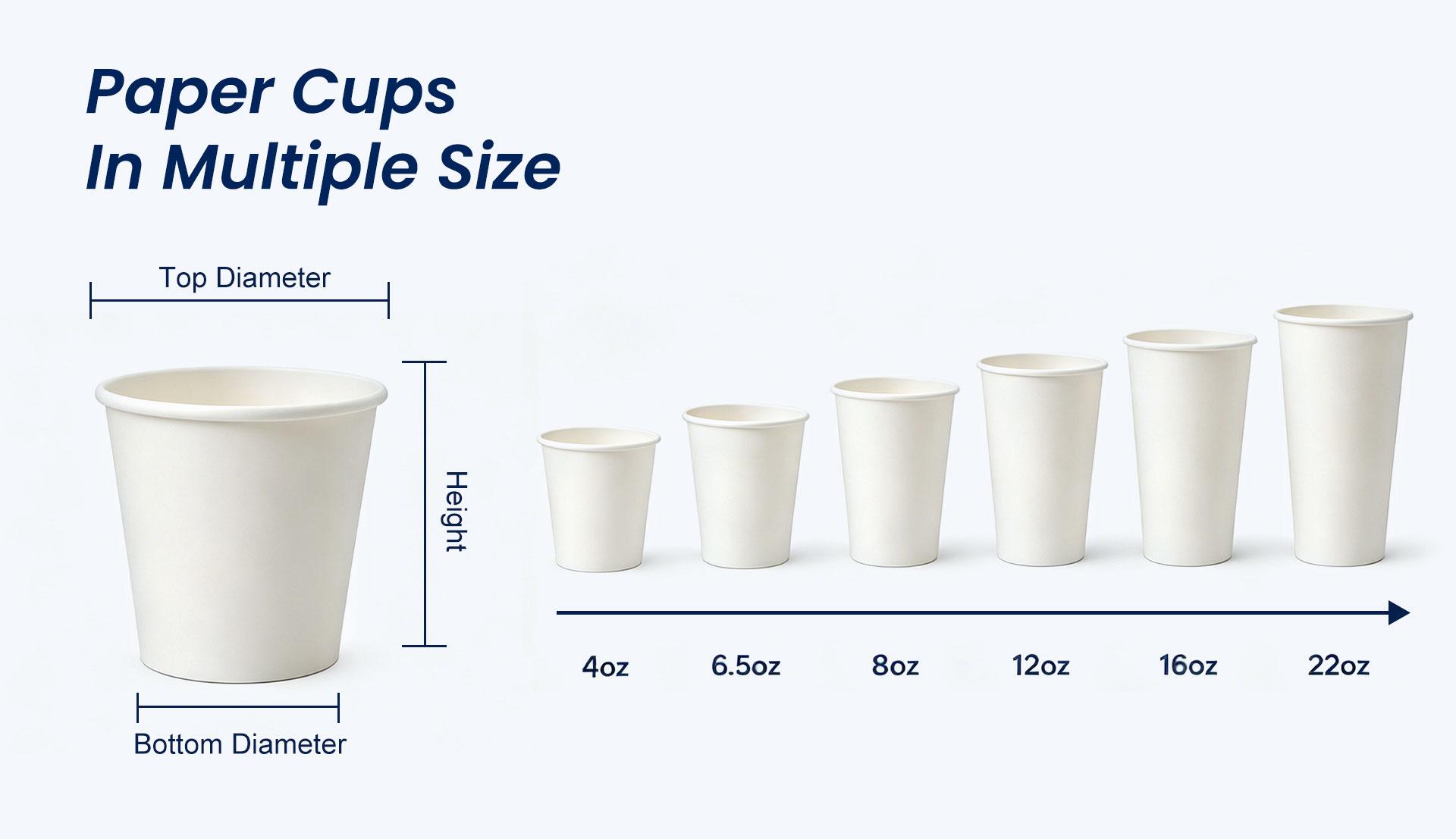
A paper cup forming machine normally supports a defined size and geometry range. Producing another cup requires a compatible mold and may also require adjustments or replacement parts for feeding, bottom paper, knurling, curling, delivery, and stacking. Very small and very large cups may not belong on the same machine platform.
Buyers should divide proposed products into three groups:
- Priority products: cups with stable repeat orders that must run efficiently from the beginning.
- Compatible expansion products: cups that fit the machine range and can justify a future mold.
- Separate-platform products: cups whose size, structure, or process requires another machine type.
This classification prevents a buyer from paying for several molds before order demand is proven. A broad theoretical cup range has little value when most production comes from only two or three repeat sizes.
How Do Paper and Coating Affect Machine Selection?
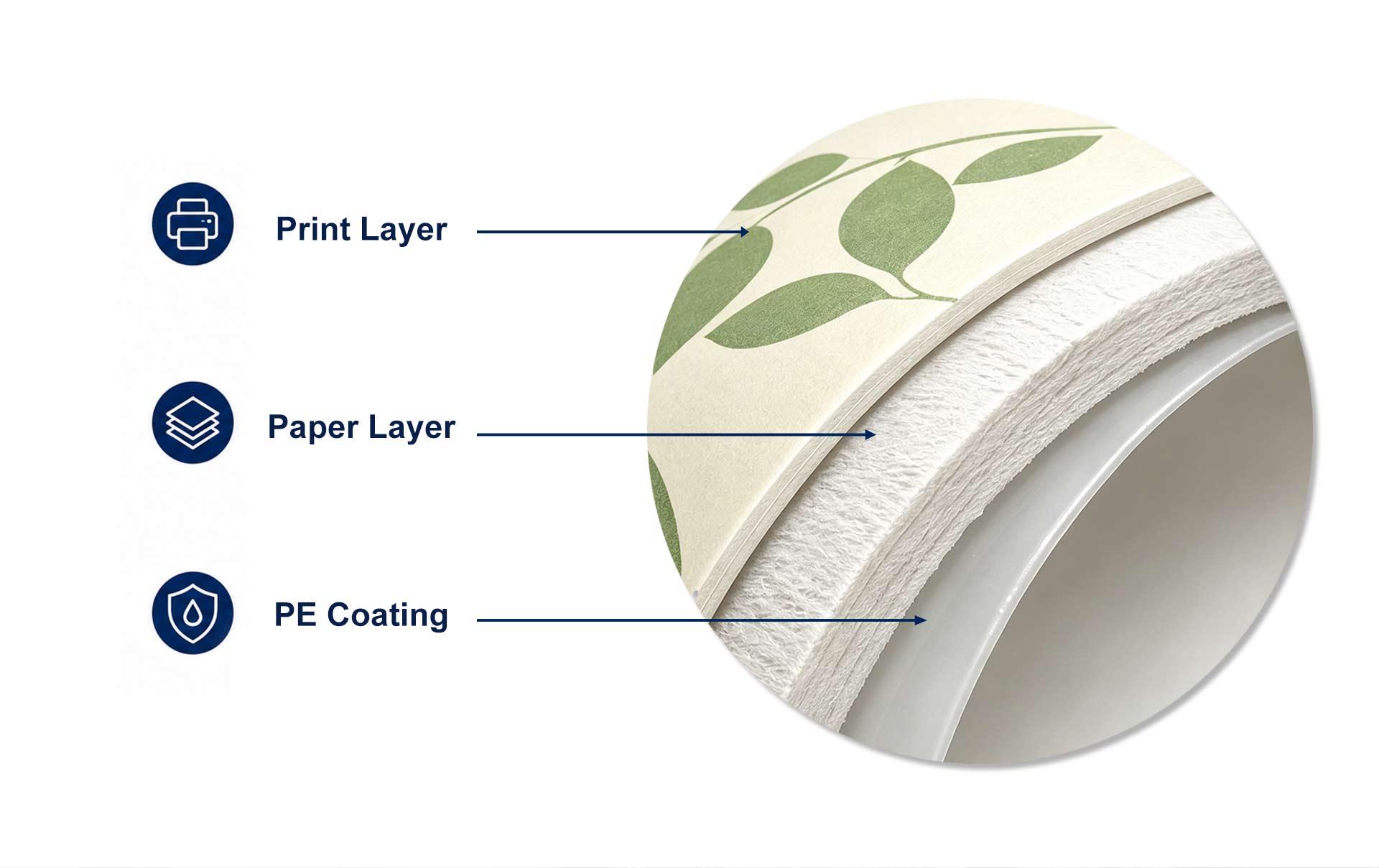
Paper cup fans are part of the production system, not a generic consumable. Paper stiffness, thickness, moisture condition, coating type, coating consistency, fan dimensions, edge quality, and print condition can affect feeding and sealing. A machine acceptance test should therefore use material close to the buyer's planned production material.
| Material Variable | Possible Production Effect | Buyer Control |
|---|
| Paper weight and stiffness | Feeding behavior, cup shape, and forming adjustment | Define an approved material range for each cup |
| Coating type and side | Side seam and bottom sealing conditions | Confirm the exact fan construction before testing |
| Fan cutting accuracy | Overlap, cup geometry, and feed stability | Use controlled drawings and incoming inspection |
| Storage condition | Deformation, dust, or inconsistent handling | Protect material and rotate inventory |
How Should Buyers Evaluate Side Sealing?
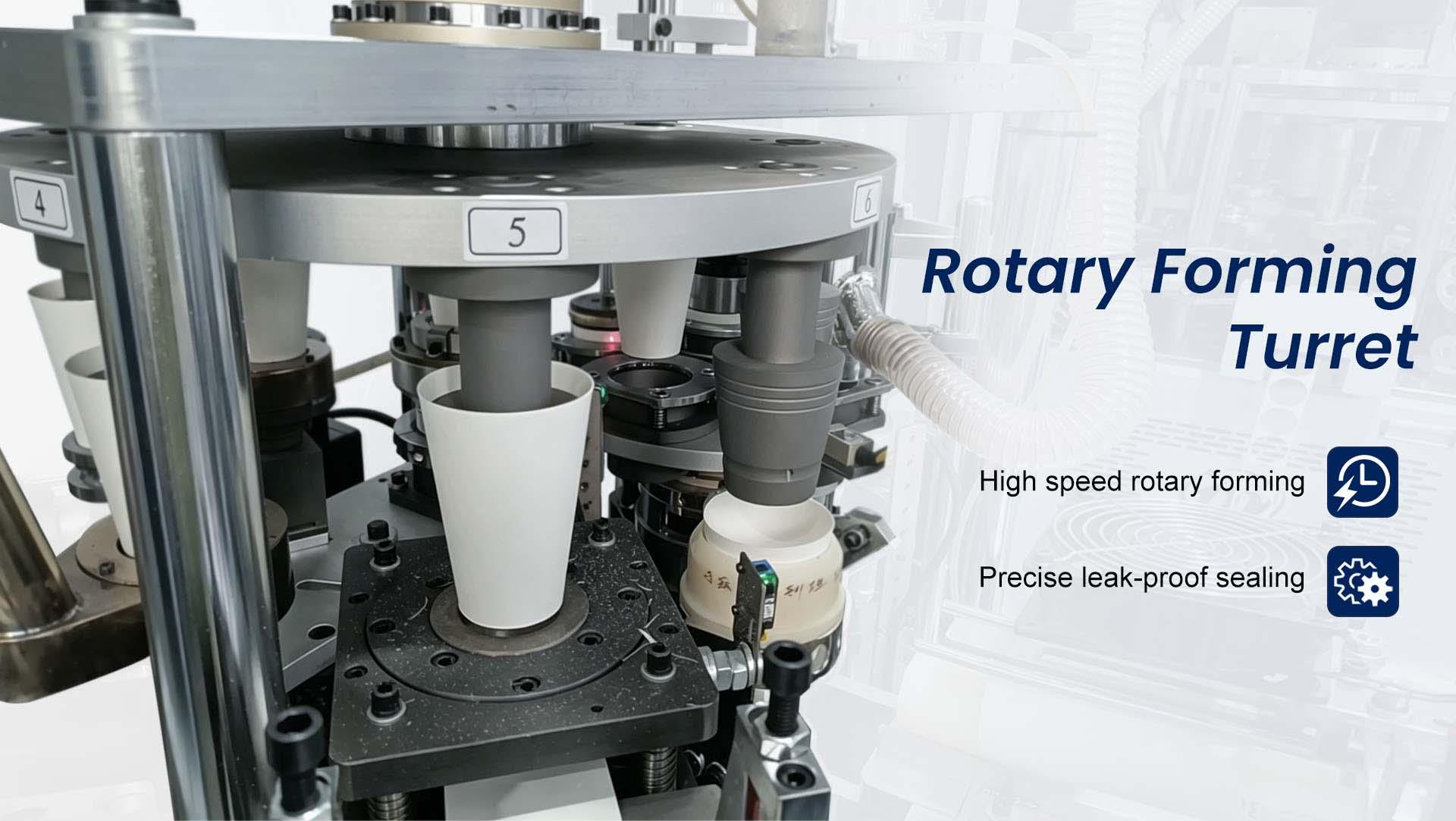
The appropriate sealing process depends on the cup material, coating construction, production requirement, and machine configuration. Buyers should avoid selecting a method only because it appears more advanced in a quotation. The useful result is a stable seam under normal production conditions.
During sample testing, evaluate whether the side seam remains straight, correctly overlapped, visually acceptable, and resistant to leakage. Check both the beginning and end of a production run. A short demonstration with carefully selected material may not reveal the adjustments required during a longer shift.
Decision rule
Evaluate sealing as a combination of material compatibility, accepted cups, adjustment stability, reject rate, and operator requirements.
How to Calculate Real Saleable Output
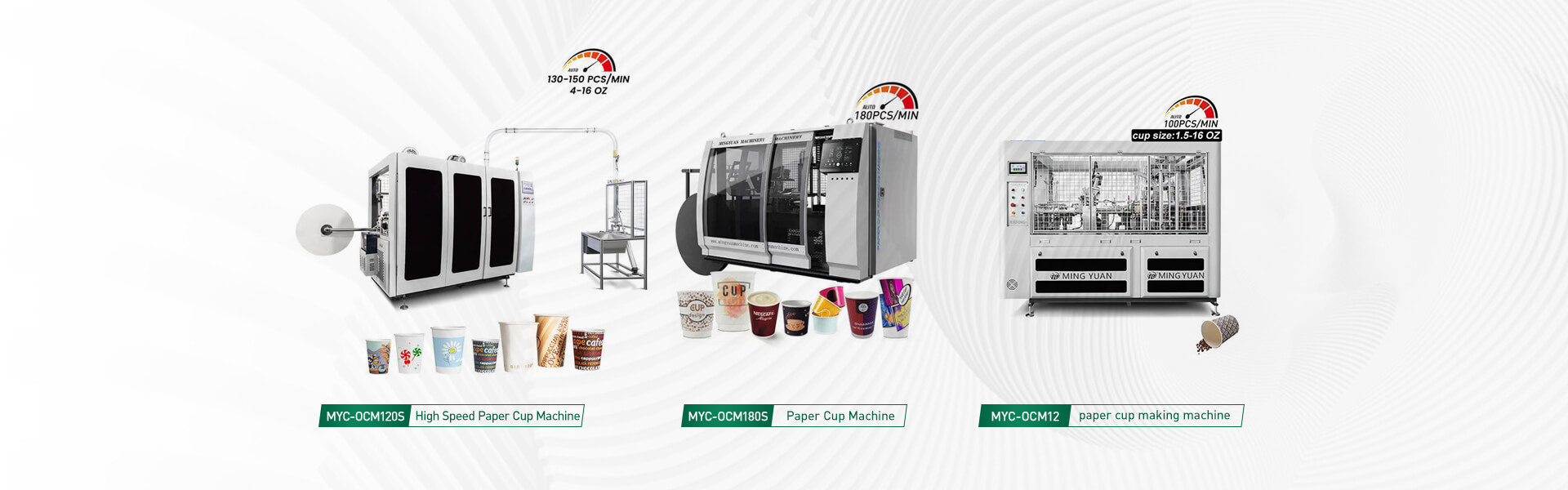
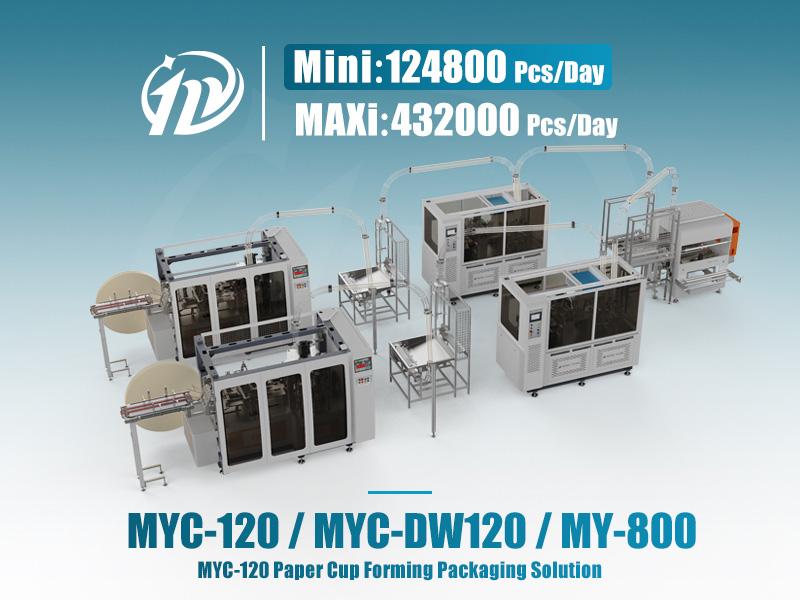
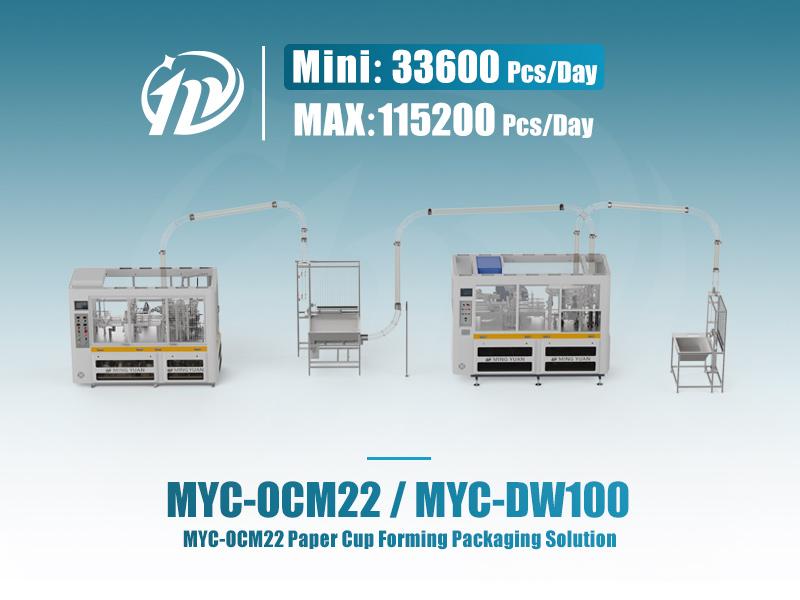
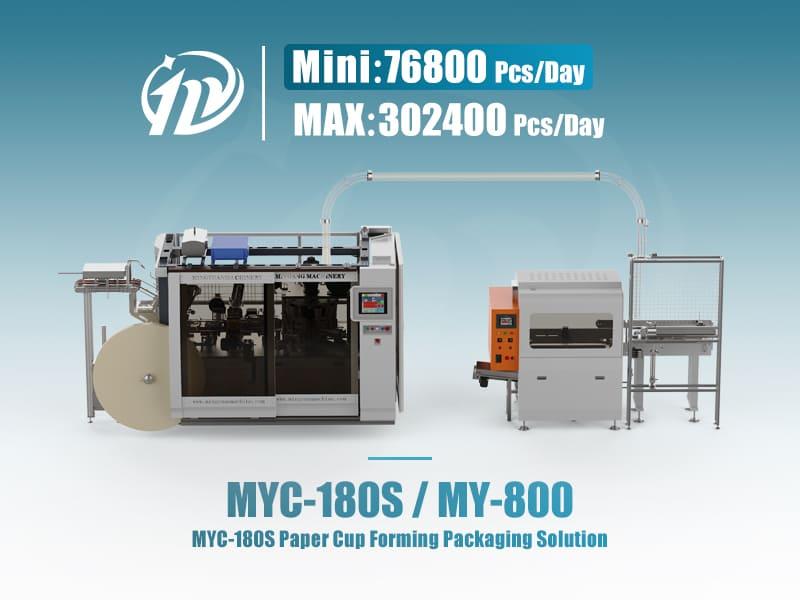
Advertised cups per minute are useful for comparing the general machine class, but factory planning requires saleable packed output. Stops for material loading, adjustment, inspection, cleaning, operator breaks, minor faults, mold changes, and packing reduce the number of cups available for delivery.
Saleable output formula
Rated cups per minute × scheduled minutes × operating efficiency × quality yield × packing completion rate
Packing completion rate matters because cups that have not been counted, bagged, sealed, and placed into cartons are not ready for customer delivery. A high-speed forming machine can create work-in-process instead of revenue when downstream capacity is too low.
Use conservative efficiency and yield assumptions until the operator team, paper cup fans, and packing process have been proven together.
What Does Changing Cup Size Really Involve?
A size change is more than installing one visible mold. Depending on the cup, the operator may need to replace or adjust several forming and transfer parts, confirm the bottom paper setting, load another fan specification, set process conditions, produce trial cups, and complete quality checks before normal output resumes.
The commercial cost of changeover includes:
- Production time when the machine is not producing saleable cups
- Trial fans and bottom paper used during adjustment
- Operator and maintenance labor
- Inspection and sample confirmation
- Separate inventory for each cup specification
- Production scheduling complexity for small orders
Factories with many small orders should calculate this cost before promising a wide cup range. Larger batches reduce the changeover cost per cup and simplify material planning.
What Should Be Checked During Machine Acceptance?
An acceptance test should reproduce the intended production conditions as closely as practical. Agree on the cup specification, material, test duration, operating speed, inspection method, and acceptable result before the test begins.
| Test Area | What to Observe |
|---|
| Continuous operation | Stability, minor stops, adjustment frequency, and material feeding |
| Cup appearance | Rim shape, side seam, bottom finish, cleanliness, and consistent geometry |
| Functional quality | Leak performance and suitability for the intended application |
| Rejects | Reason, frequency, recoverability, and effect on usable output |
| Operator work | Loading, cleaning, adjustment, routine checks, and required training |
Record accepted cups, rejected cups, stop time, and reasons for intervention. A video can support communication, but it should not replace a written test scope and measurable result.
Which Configuration Fits Different Buyers?
| Buyer Situation | Practical Priority | Main Risk to Avoid |
|---|
| Startup with two standard sizes | Reliable forming, clear training, limited molds, and ready fan supply | Buying unused capacity and too many molds |
| Distributor replacing imported cups | Match existing dimensions, carton quantities, quality, and delivery schedule | Assuming a similar cup volume means an identical specification |
| Custom printed cup producer | Fan accuracy, design control, changeover planning, and small-order rules | Dead printed inventory and excessive setup time |
| Existing factory adding capacity | Identify the real bottleneck before adding another forming machine | Creating more cups than inspection and packing can process |
Buyers comparing a disposable paper cup machine should provide the same cup and material information to every supplier. Otherwise, quotations may represent different production scopes and cannot be compared fairly.
Common Disposable Paper Cup Machine Selection Mistakes
- Requesting a quotation with only cup volume and no drawing or sample.
- Selecting the highest rated speed without calculating saleable packed output.
- Assuming every coating and paper specification behaves the same during sealing.
- Buying many molds before confirming repeated demand for each size.
- Testing with supplier material that differs from the planned production material.
- Ignoring size-change downtime, trial waste, and operator skill.
- Adding forming capacity when packing or material supply is the actual bottleneck.
Information Checklist for an Accurate Quotation
- Cup drawing or physical sample for every priority size
- Top diameter, bottom diameter, height, volume, and rim requirement
- Paper weight, coating type, coating side, and fan drawing
- Monthly order quantity and expected operating shifts
- Plain or printed fan supply strategy
- Required bag quantity, carton quantity, and packing method
- Local voltage, frequency, air supply, and workshop conditions
- Acceptance-test material and quality criteria
- Training, spare parts, installation, and future mold requirements
Frequently Asked Questions
Can one disposable paper cup machine make hot and cold drink cups?
It may produce several compatible cup types, but the exact dimensions, paper, coating, molds, and process conditions must be checked. Application names alone do not confirm compatibility.
How many molds should a startup purchase?
Start with the cup sizes supported by the strongest repeat demand. Additional molds can be added after customers, fan supply, and production scheduling are stable.
Is rated speed the same as daily production?
No. Daily saleable output is reduced by stops, adjustment, rejects, changeovers, inspection, and incomplete packing. Use conservative efficiency and yield in the production plan.
Why should buyer material be used during testing?
Paper and coating influence feeding and sealing. Testing representative material gives better information about the settings, output, and quality the buyer can expect.
When should a factory buy a second forming machine?
Add capacity when repeated orders exceed practical saleable output and when fan supply, operators, inspection, packing, storage, and working capital can support the expansion.
What is the most important acceptance result?
The most useful result is stable production of accepted cups from the agreed material and specification over a meaningful test period, with stops and rejects recorded.
The Bottom Line
Choosing a disposable paper cup machine begins with the finished cup, material, order profile, and packing requirement. These details determine the practical machine range, molds, sealing conditions, output expectations, and acceptance test.
Buyers should compare machines by stable saleable output for their own cups, not by an isolated speed, price, or feature list.
Before requesting a final proposal, prepare approved cup drawings, representative paper cup fans, expected monthly quantities, packing specifications, and local utility information. A precise production requirement produces a more accurate quotation and a lower-risk startup plan.




 Tel: +86-13362708280
 Email: george@paper-cupmakingmachine.com
 MP/WhatsApp: +86-13362708280
 Manufacturer Address:No.1588, Huaming Road, Feiyun Street,Ruian City Zhejiang Province -325200 China