What Should Buyers Decide Before Buying the Machine?
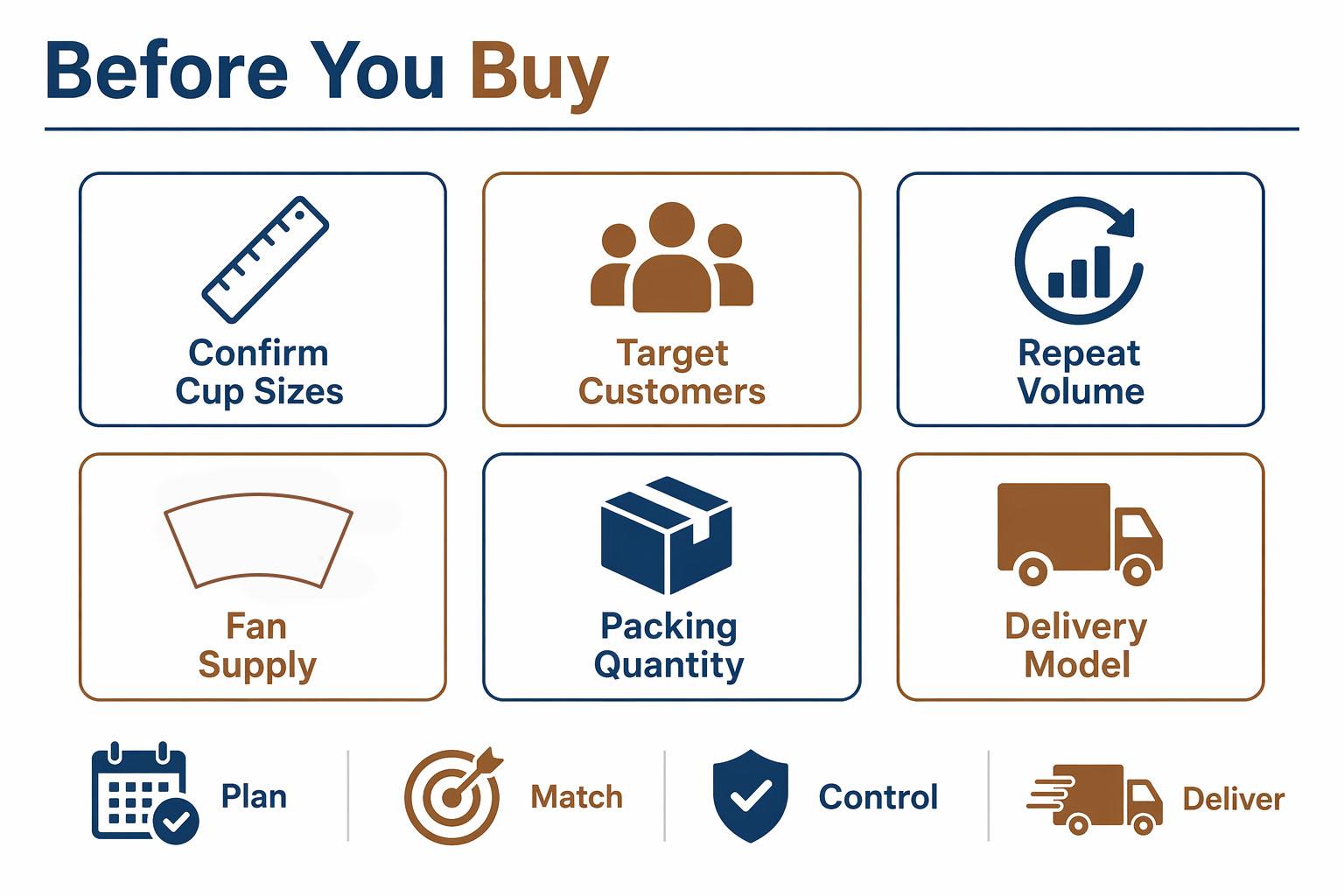
A machine to make disposable paper cup products should be selected after the buyer confirms the first cup sizes, target customers, repeat order volume, paper cup fan supply, packing quantity, and delivery model. Disposable paper cups can serve many markets, but not every market gives the same margin or the same production requirements.
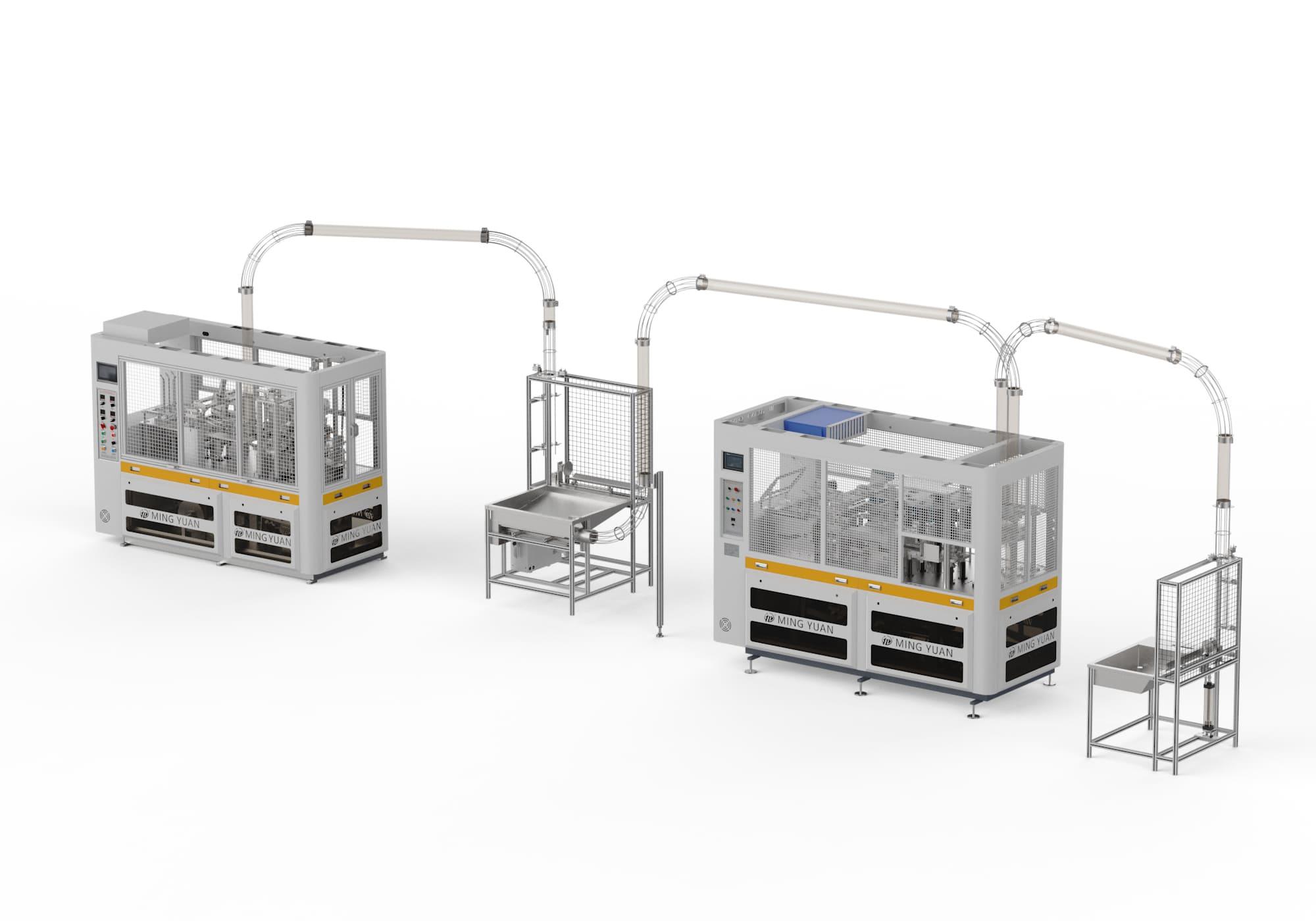
The machine is only the forming center. The factory still needs material planning, inspection, counting, bagging, carton preparation, storage, and customer order rules. If these parts are not planned, a low machine price can still lead to high operating cost and weak profit.
For buyers comparing a paper cup machine for disposable cup production, the first decision should be practical: which cups can the factory sell repeatedly, at a price that still leaves margin after material, waste, packing, and labor?
What Disposable Paper Cup Orders Really Include
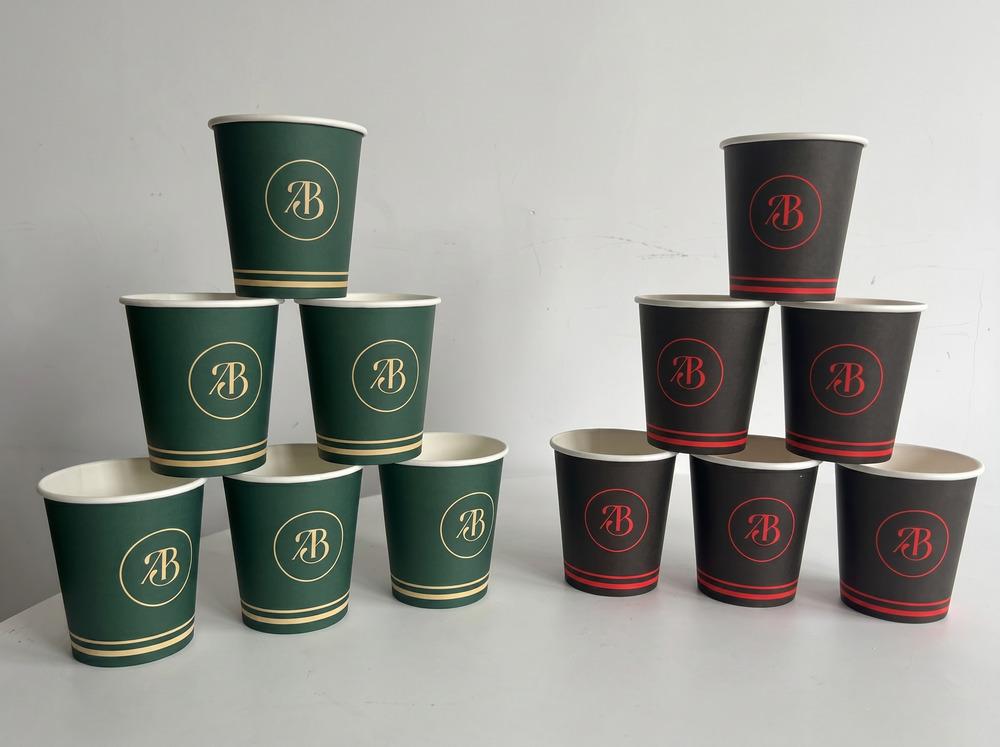
Disposable paper cup orders may include water cups, tea cups, coffee cups, takeaway drink cups, sampling cups, event cups, and branded cups. Some are plain and price-sensitive. Some need better paper, printing, double wall structure, or stronger packing. Treating all disposable cups as one product can lead to wrong equipment planning.
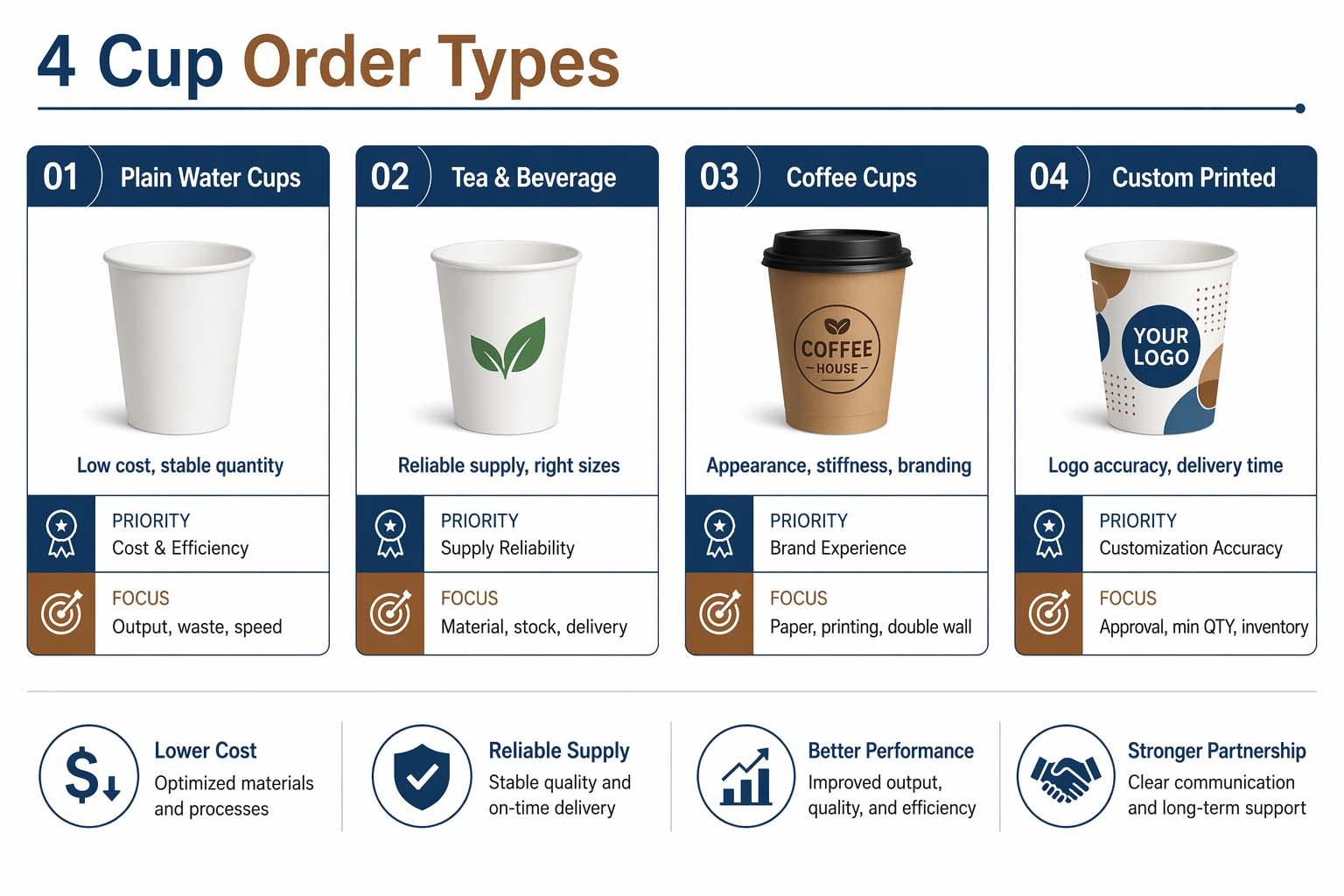
| Cup Order Type | Customer Priority | Factory Planning Focus |
|---|
| Plain water cups | Low unit cost and stable quantity | Output, waste control, packing speed |
| Tea and beverage cups | Reliable supply and suitable sizes | Material fit, stock planning, delivery schedule |
| Coffee cups | Appearance, stiffness, branding, heat comfort | Paper quality, printing, and possible double wall planning |
| Custom printed cups | Logo accuracy and delivery time | Artwork approval, minimum quantity, fan inventory risk |
How to Choose the First Product Mix
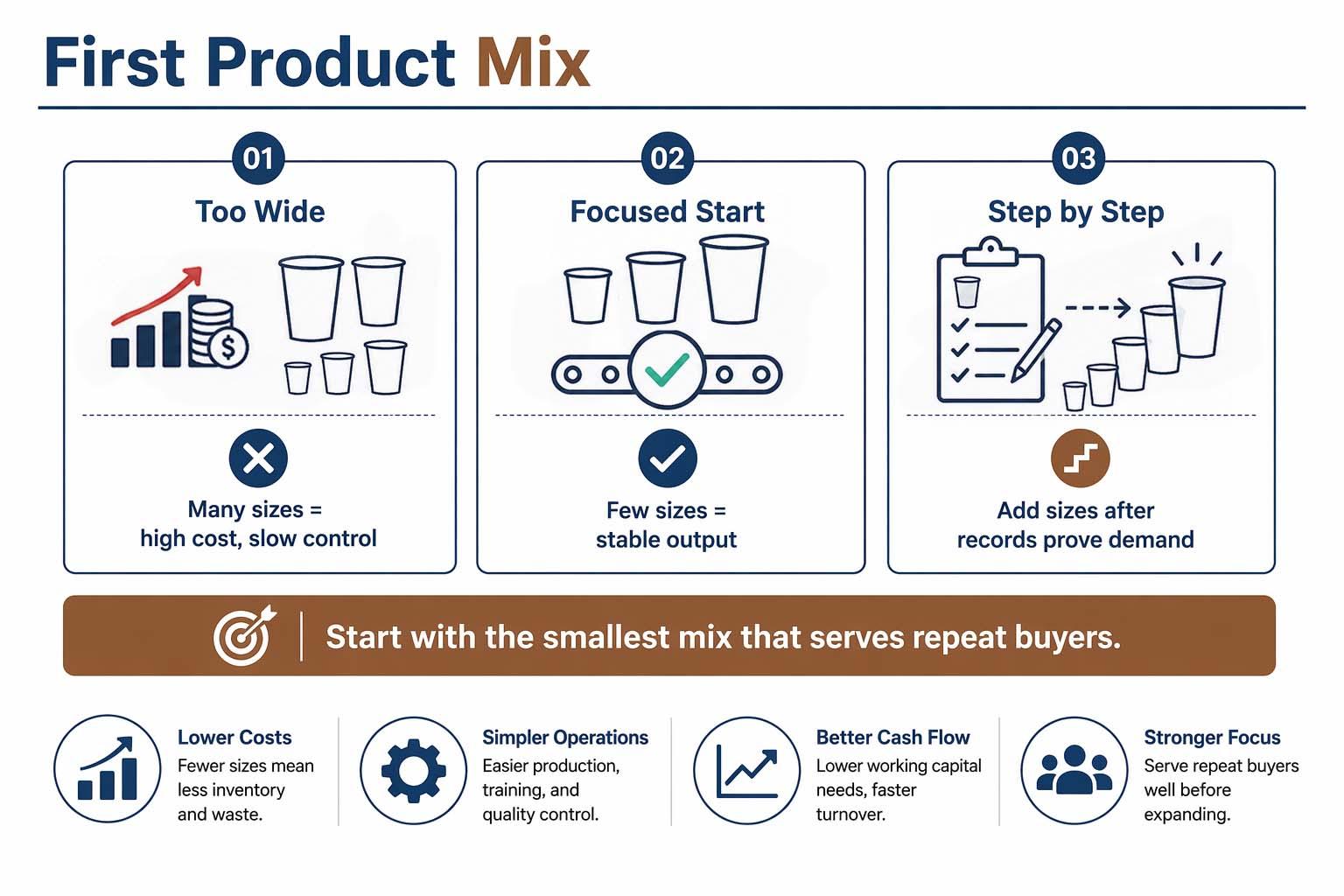
A startup factory should avoid launching too many disposable cup sizes at once. Every cup size can require molds, fan stock, bottom paper matching, packing materials, and changeover time. A wide product list may look attractive for sales, but it can weaken production control during the first months.
The first product mix should be based on repeat customers, not personal preference. A local distributor may need two or three high-volume plain sizes. A coffee cup supplier may need fewer sizes but better material and printing. A catering supplier may need standard packing and fast delivery more than a large catalog.
Practical rule
Start with the smallest product mix that can serve repeat buyers, then add sizes after production records prove stable output and sales.
Disposable paper cup production can look profitable because demand is broad, but price competition is common. Buyers should calculate cost before accepting orders. The calculation should include usable material, forming labor, packing labor, reject allowance, cartons, overhead, and delivery terms.
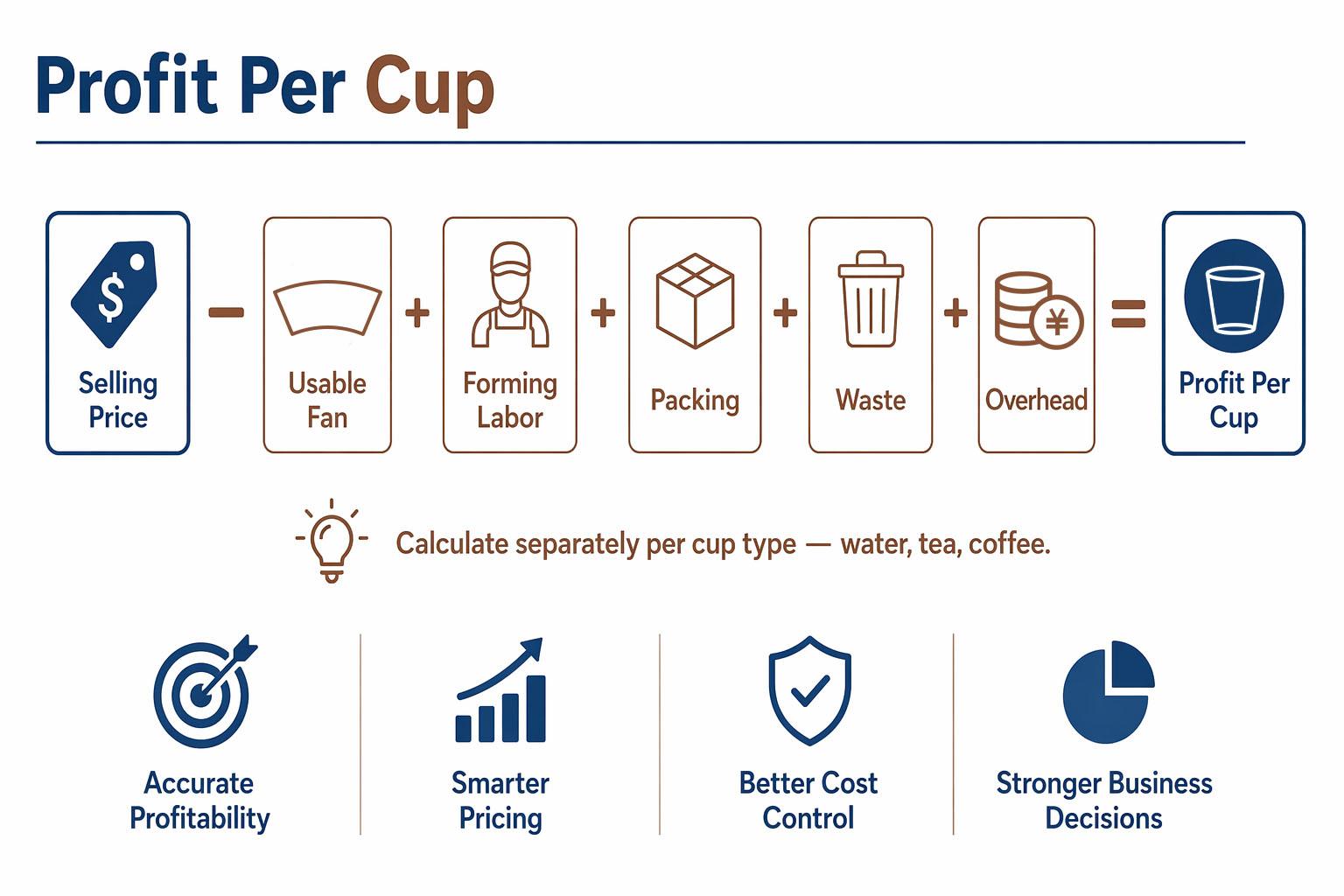
Profit check formula
Profit per disposable cup = selling price - usable fan cost - forming labor - packing cost - waste allowance - overhead per cup
The formula should be used for each main cup type. A plain water cup, printed tea cup, and coffee cup may have different paper cost, packing cost, reject risk, and customer payment terms. The factory should not use one average margin for every disposable cup order.
Which Machine Setup Fits Different Orders?
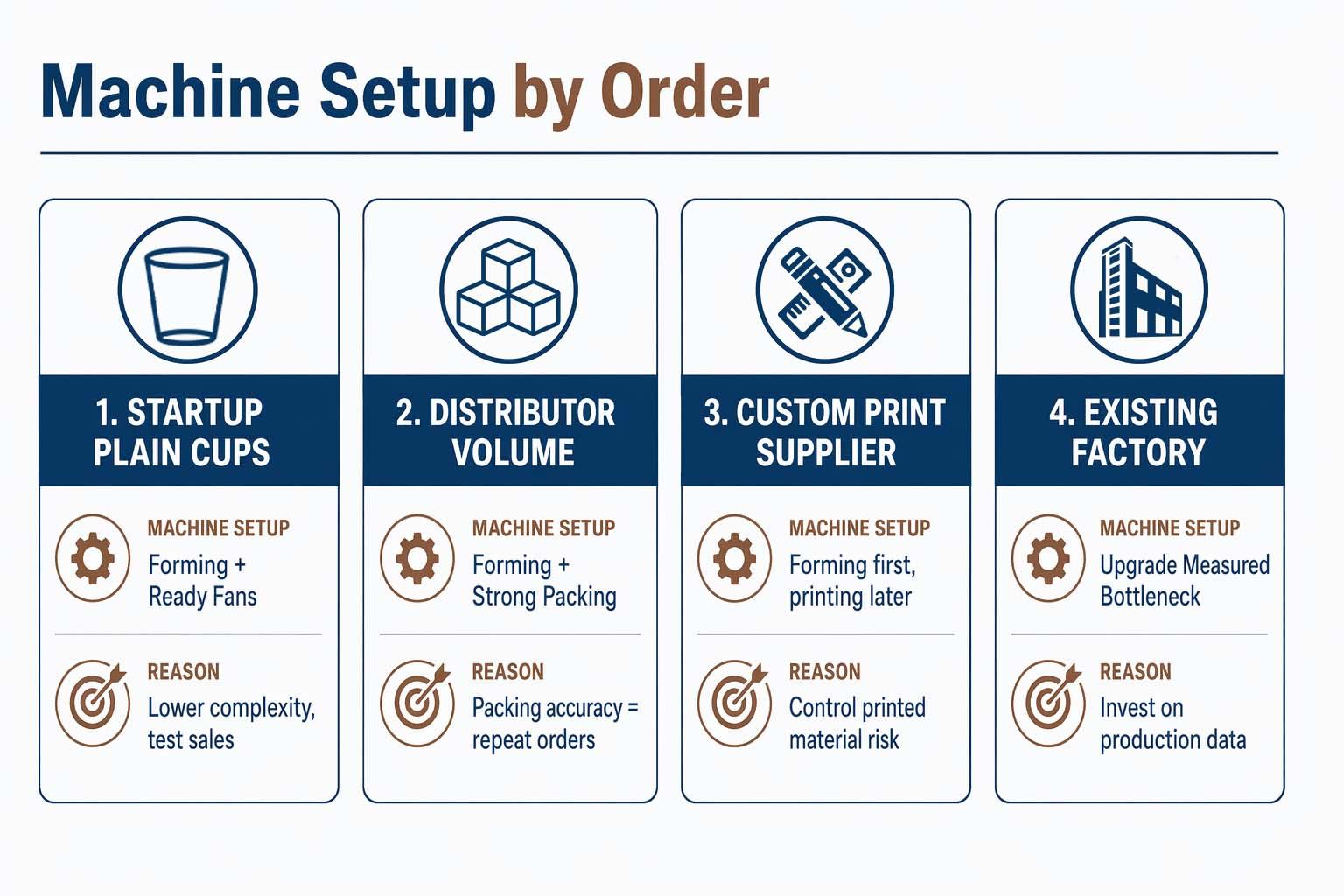
| Buyer Situation | Recommended First Setup | Reason |
|---|
| Startup with plain cup orders | Forming machine and ready paper cup fans | Lower process complexity while sales are tested |
| Distributor with repeated volume | Forming machine with stronger counting and packing process | Packing accuracy and delivery speed affect repeat orders |
| Custom printed cup supplier | Forming first, then printing or die cutting after demand stabilizes | Printed material risk should be controlled by real orders |
| Existing factory upgrading | Upgrade the bottleneck: fan supply, forming, or packing | Investment should solve measured production limits |
Paper Cup Fan Strategy for Disposable Cup Factories
Paper cup fan strategy affects waste, cash flow, and delivery. Ready fans reduce startup complexity, while in-house printing and die cutting can improve control after order volume is stable. The best choice depends on cup type, design frequency, order volume, and supplier reliability.
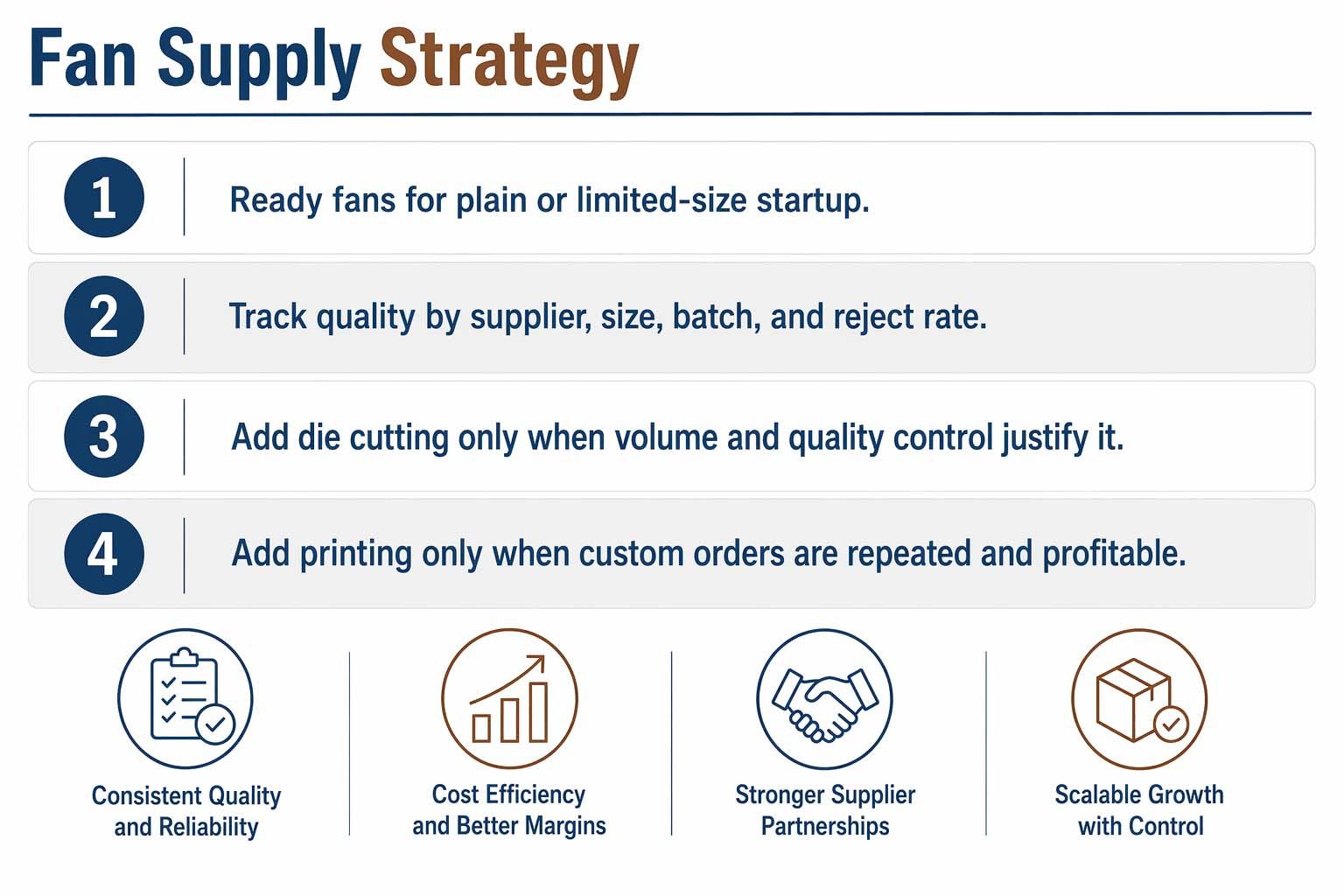
- Use ready fans when starting with plain or limited-size disposable cups.
- Track fan quality by supplier, size, material batch, and reject rate.
- Add in-house die cutting only when fan volume and quality control justify the extra process.
- Add printing only when custom printed orders are repeated, approved, and profitable.
Why Packing Standards Should Be Set Early
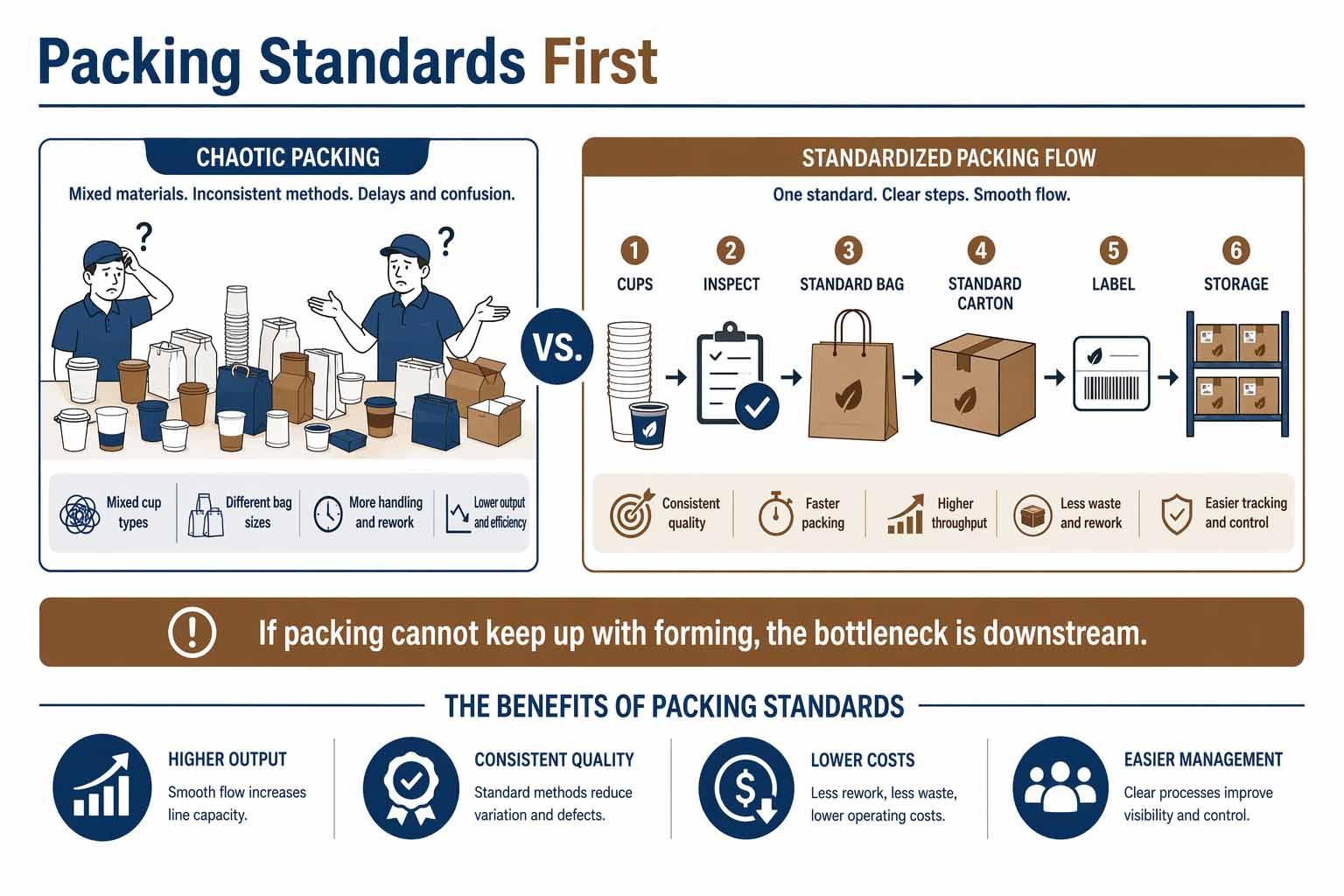
Disposable cups are not finished when they leave the forming machine. They must be inspected, counted, bagged, sealed, boxed, stored, and delivered. If the factory has no packing standard, workers may spend too much time changing bag quantities, correcting carton counts, or sorting mixed sizes.
Set standard cups per bag, bags per carton, label rules, and storage locations before accepting repeated orders. If packing cannot keep up with forming, the real bottleneck is downstream, not the paper cup machine.
How Sales Policy Protects Production Margin
Disposable cup factories should not accept every order only to keep the machine busy. Small runs, frequent size changes, unclear packing requests, delayed payment, and urgent delivery can reduce margin even when the order price looks acceptable.
| Sales Rule | Production Reason | Business Benefit |
|---|
| Minimum order quantity | Small orders increase setup and handling time | Protects effective machine time |
| Standard packing terms | Random packing slows counting and carton work | Improves delivery accuracy |
| Deposit for custom printing | Printed material is customer-specific | Reduces unsold inventory risk |
A 90-Day Order Validation Plan
Before investing in more molds, upstream equipment, or packing automation, a new disposable paper cup factory should validate orders in a structured way. The goal is to separate real repeat demand from general interest. Many buyers hear that paper cups are widely used, but profitable production requires specific customers, sizes, packing quantities, prices, and payment terms.
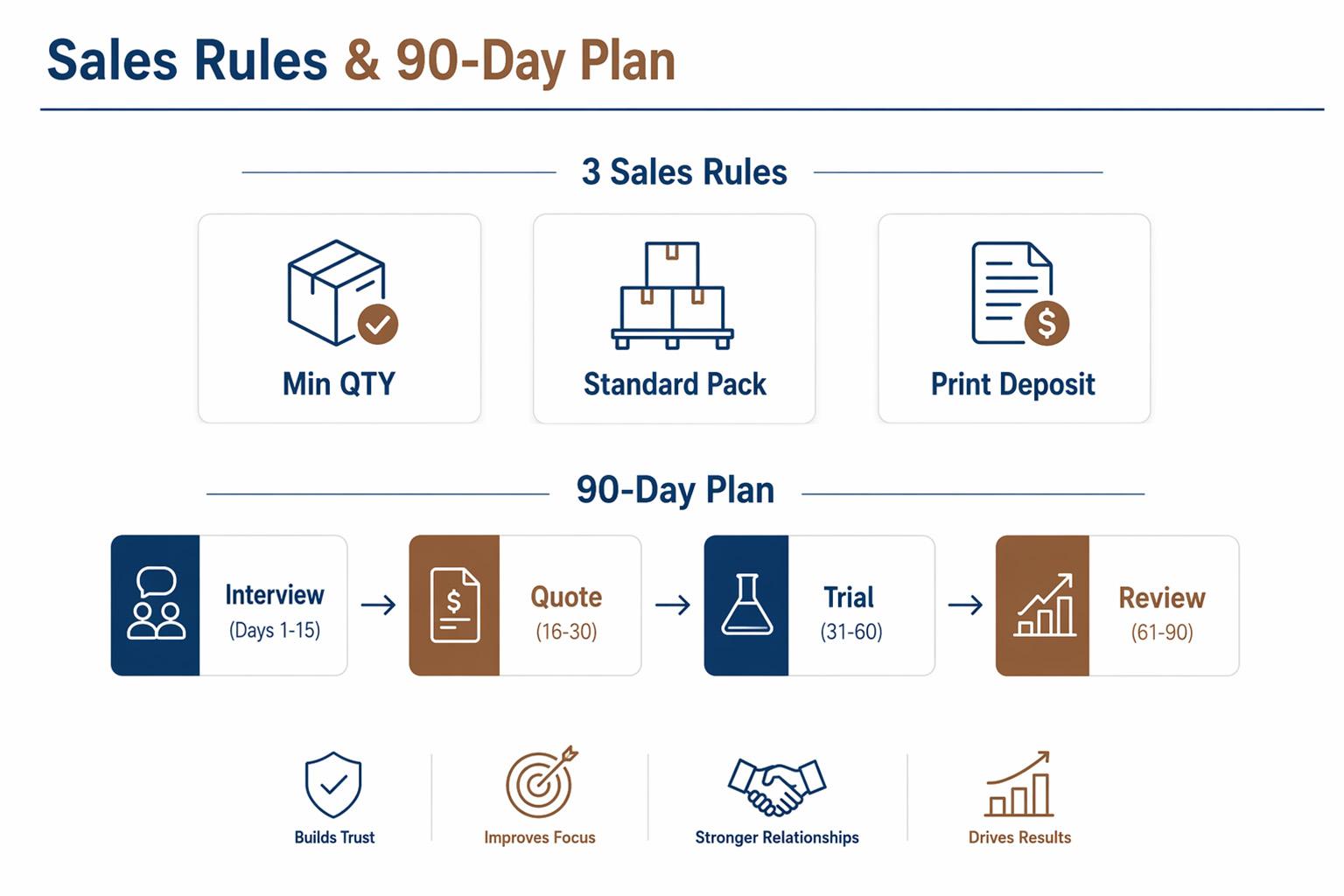
| Period | Main Action | Decision Output |
|---|
| Days 1-15 | Interview distributors, caterers, drink shops, offices, and wholesalers | Shortlist cup sizes with real monthly demand |
| Days 16-30 | Quote standard sizes with clear packing and payment terms | Identify which orders can keep margin after all costs |
| Days 31-60 | Run trial production, record rejects, stops, packing speed, and customer feedback | Confirm the first stable product mix |
| Days 61-90 | Compare sales, output, packing, cash flow, and repeat order behavior | Decide whether to add molds, packing support, or upstream preparation |
A machine purchase becomes safer when the buyer can connect equipment capacity to specific orders, not only to market potential.
Common Mistakes Before First Orders
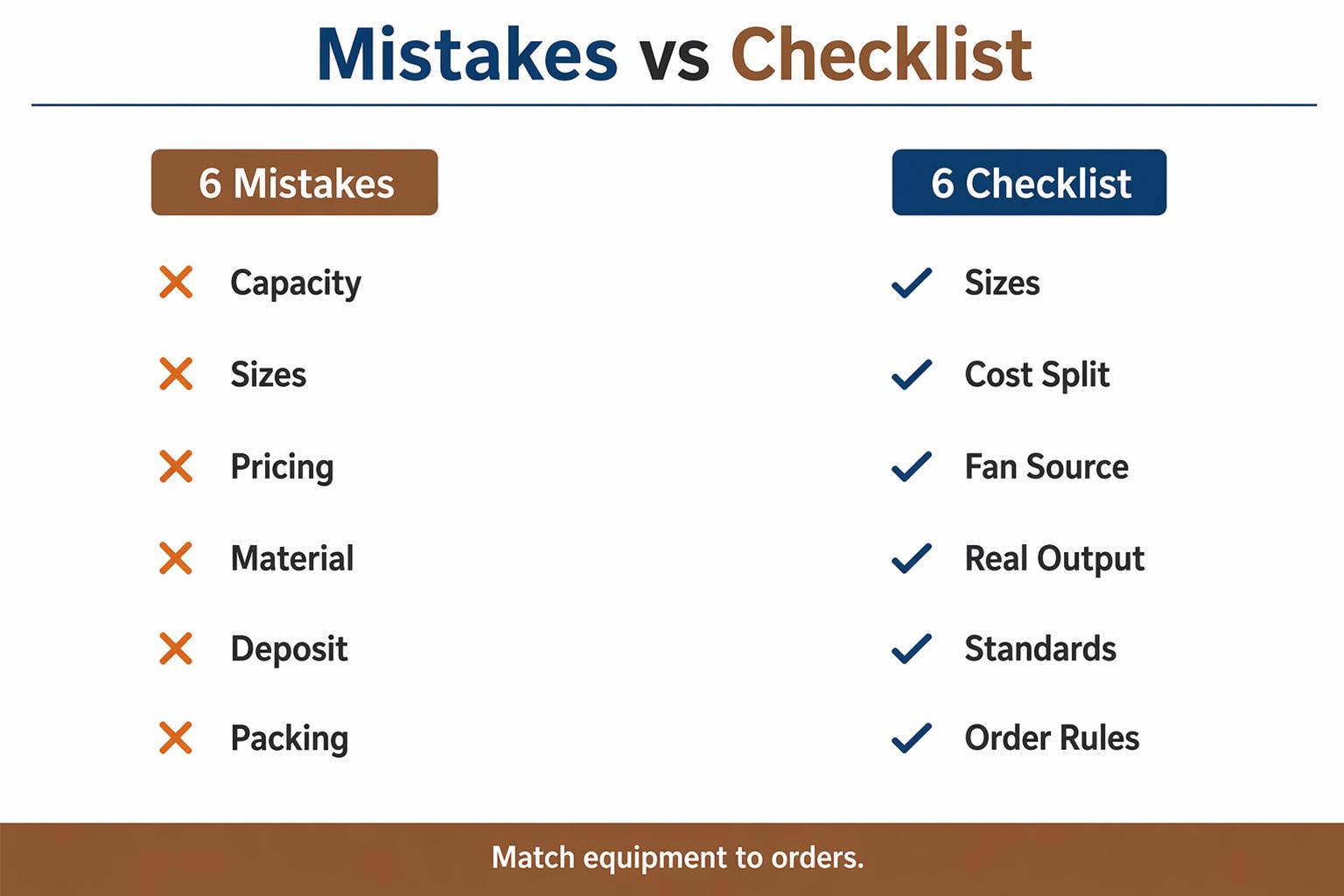
- Buying too much equipment before confirming repeat disposable cup demand.
- Starting with too many cup sizes and increasing mold, fan, and storage cost.
- Quoting low prices without calculating waste, packing, and payment terms.
- Ignoring paper cup fan quality and expecting machine adjustment to solve every issue.
- Accepting custom printed orders without sample approval and deposit rules.
- Treating packing as a small task instead of a delivery bottleneck.
Pre-Purchase Checklist
- List the first disposable cup sizes and expected monthly demand.
- Separate plain cups, printed cups, coffee cups, and other higher-value cups in the cost sheet.
- Confirm whether paper cup fans will be purchased ready-made or prepared in-house later.
- Calculate accepted output per shift, not only rated cups per minute.
- Define bag and carton standards before scaling production.
- Set order rules for minimum quantity, payment, printing approval, and delivery schedule.
Frequently Asked Questions
Is a machine to make disposable paper cup products suitable for startups?
Yes, if the startup begins with a focused product mix, reliable paper cup fan supply, clear packing standards, and confirmed customer groups.
Should all disposable cup sizes be launched at once?
No. Too many sizes increase molds, material stock, changeover, and storage pressure. Start with sizes that have the strongest repeat demand.
When should a factory add printing equipment?
Add printing equipment when custom printed orders become repeated and profitable enough to justify setup waste, operators, and material responsibility.
What is the main hidden cost in disposable cup production?
The main hidden costs are rejects, changeover time, packing labor, slow-moving fan inventory, and weak order terms.
How should buyers compare machine quotations?
Compare the machine scope, mold support, training, spare parts, accepted output expectation, packing plan, and future upgrade path, not only the machine price.
The Bottom Line
A machine to make disposable paper cup products should be selected around repeat orders, product mix, material strategy, packing standards, and order policy. The market is broad, but profit depends on controlling the small details that affect every cup.
Before asking for a quotation, prepare the target cup sizes, expected monthly demand, material type, fan supply method, packing quantity, workshop conditions, and sales channels. This information helps the manufacturer recommend a practical configuration and helps the buyer compare quotations beyond the surface machine price.
It also prevents a common startup problem: buying equipment for an imagined product range instead of the cups that customers are ready to reorder.
That discipline makes later upgrades easier to justify with real production and sales records.
The strongest starting setup is not the biggest line; it is the setup that can produce the first repeat disposable cup orders with stable cost, clear packing, and manageable waste.
Before purchasing, prepare a list of target cup sizes, customer groups, fan supply method, packing standard, order terms, and expected monthly volume. This makes the quotation more accurate and helps the factory avoid buying capacity that the market cannot yet support.



 Tel: +86-13362708280
 Email: george@paper-cupmakingmachine.com
 MP/WhatsApp: +86-13362708280
 Manufacturer Address:No.1588, Huaming Road, Feiyun Street,Ruian City Zhejiang Province -325200 China