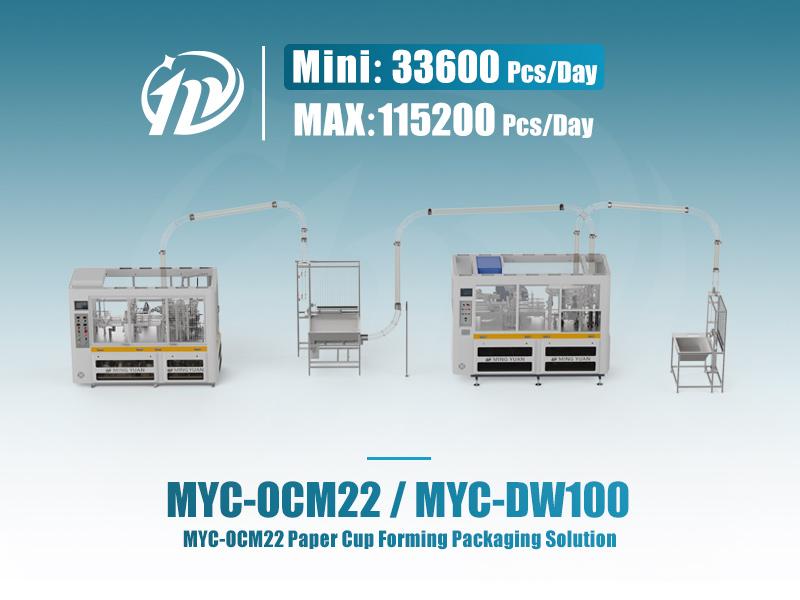
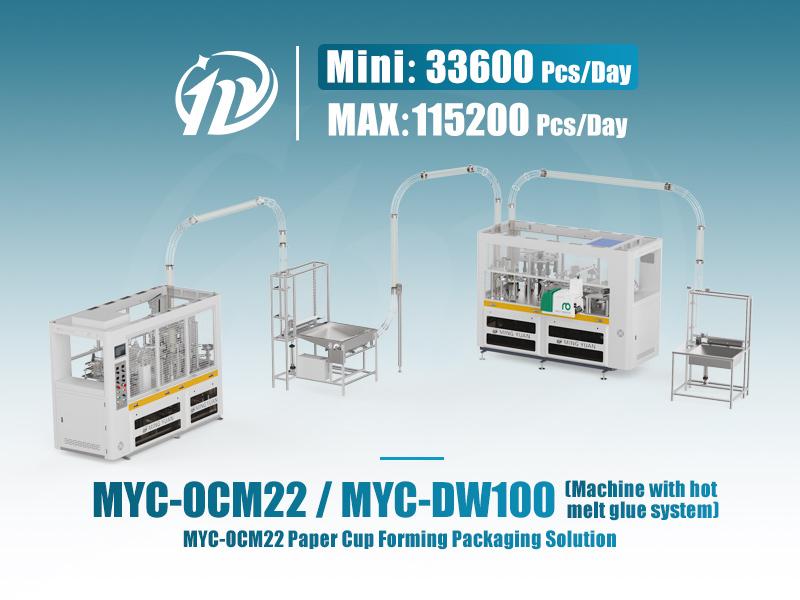
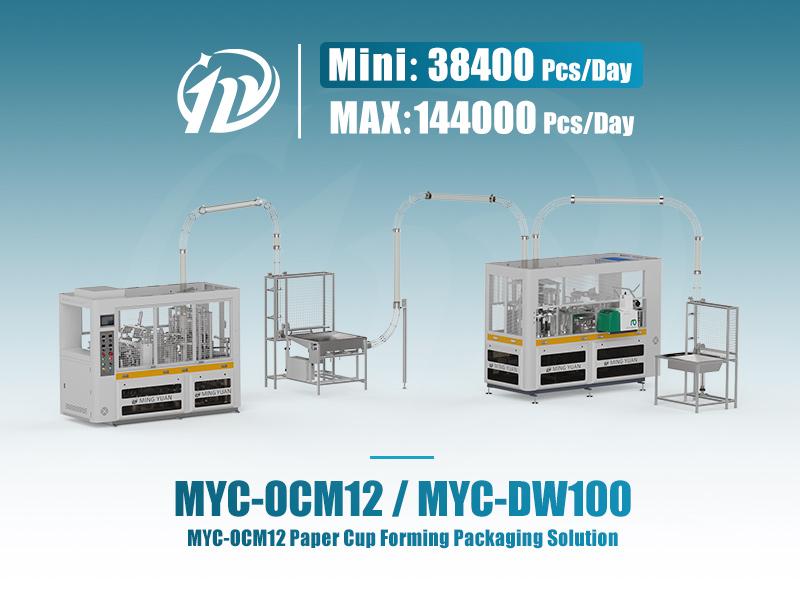
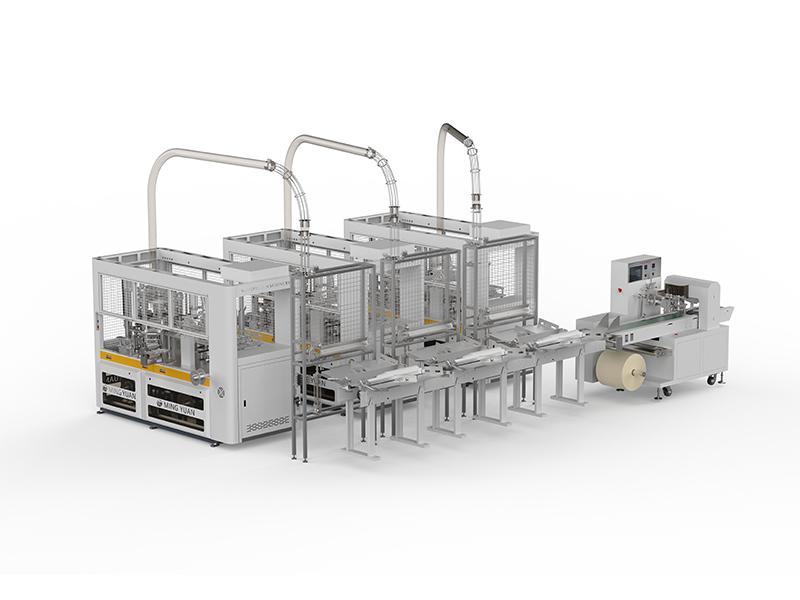
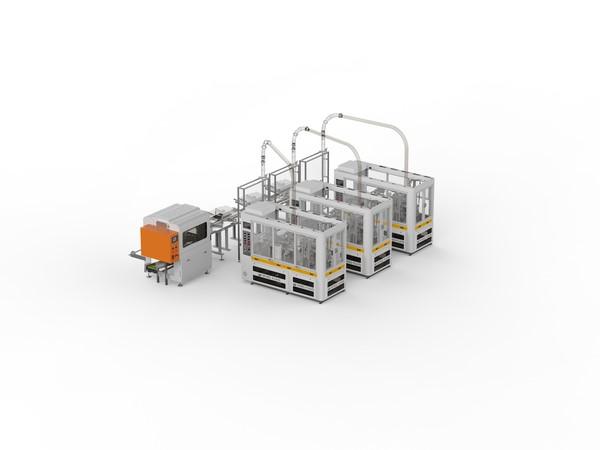
Myc-Ocm22 Paper Cup Forming Machine And Packaging Production Line Catalog
In the production of disposable paper cups, paper selection is a crucial step. Different paper structures, basis weights, and surface treatments directly affect the stiffness, leak-proof performance, applicable scenarios, and process requirements of the paper cup manufacturing machine.
From a paper cup manufacturing perspective, this guide systematically introduces the most commonly used paper types for disposable paper cups, helping you understand the fundamental differences in raw materials used in paper cup production.
I. Basic Structure of Paper Cups
Common disposable paper cups on the market are usually not "pure paper," but consist of the following two parts:
Base paper: Generally food-grade virgin wood pulp paper, providing strength and a foundation for cup forming.
Surface coating: Through PE or other coating materials, it serves to prevent water and leakage.
Depending on the coating structure and the differences in the paper itself, paper cups can be further subdivided into various types.
II. Single PE Coated Paper
1. Structural Characteristics
Single PE coated paper refers to paper with a single layer of PE (polyethylene) film coated on one side:
Outer side: Base paper (printable)
Inner side: Single-layer PE coating (in contact with liquid)
2. Common Grammage Range
150–350 gsm (paper grammage) + 15-18 gsm (PE coating grammage)
Adjusted according to cup type and capacity.
3. Applicable Paper Cup Types
Hot beverage cups (coffee cups, tea cups)
Room temperature beverage cups
Tasting cups, small-capacity paper cups
4. Requirements for Paper Cup Machines
Copper heating or ultrasonic heating for PE layer fusion
Suitable for most standard paper cup machines
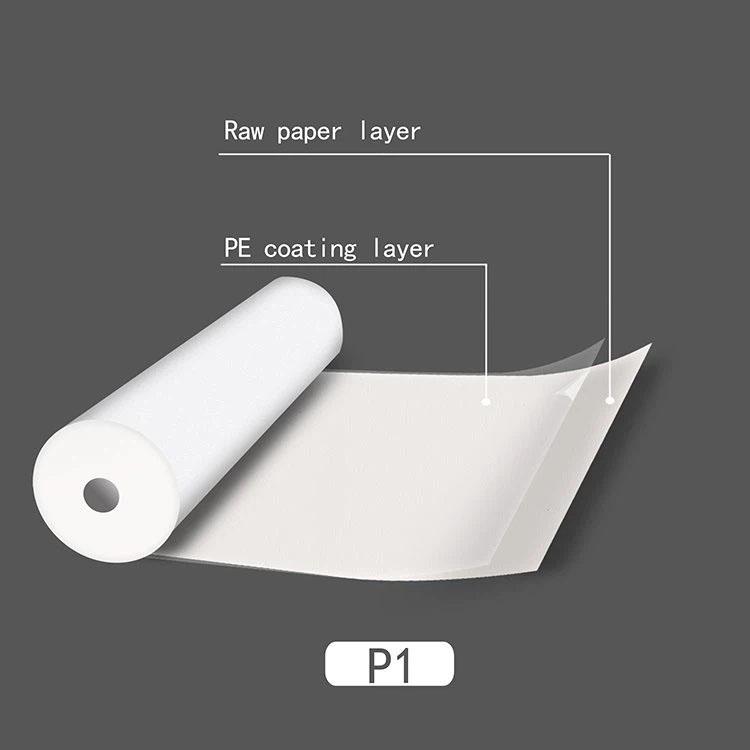
Single PE coated paper is currently the most widely used and mature type of paper for paper cups.
III. Double PE Coated Paper
1. Structural Features
Double PE coated paper consists of two layers of PE coated on both sides of the base paper:
Outer side: PE coating
Inner side: PE coating
2. Common Basis Weight Range
15-18 gsm (PE coating basis weight) + 180–350 gsm (paper basis weight) + 15-18 gsm (PE coating basis weight)
Adjusted according to cup type and capacity.
3. Applicable Paper Cup Types
Cold drink cups
Iced juice cups
Iced water cups
Paper cups for high humidity environments
4. Reasons for Using Double PE
Prevents condensation from penetrating the paper
Reduces softening of the cup wall due to water absorption
Improves the stability of the paper cup in low temperature and high humidity environments
5. Impact on Paper Cup Machines
Higher requirements for heating system stability
Different forming pressure and temperature parameters compared to single PE paper
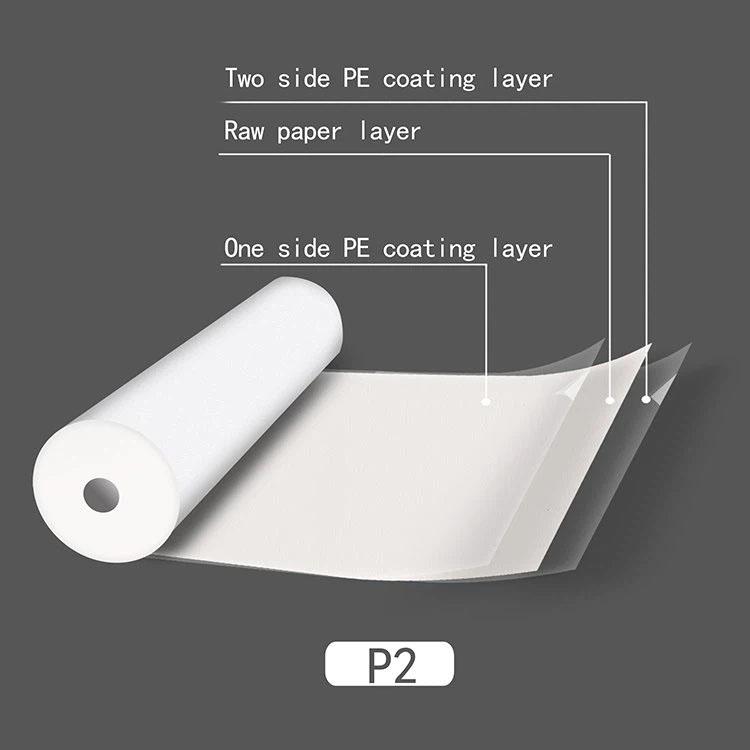
Double PE coated paper is typically used for paper cups specifically for cold drinks and iced beverages.
IV. Kraft Paper
1. Paper Characteristics
Kraft paper, with its natural color and high fiber strength, is widely used for coffee cups and takeaway beverage packaging:
Yellowish or brownish color
Long fibers, good stiffness
More environmentally friendly and natural appearance
2. Common Structures
Single PE coated kraft paper
Double PE coated kraft paper (for cold drinks)
3. Common Applications
Coffee paper cups
Takeaway hot drink cups
Double-walled inner cups
4. Equipment Requirements
High precision mold requirements
Requires a more stable cup edge rolling and sealing system
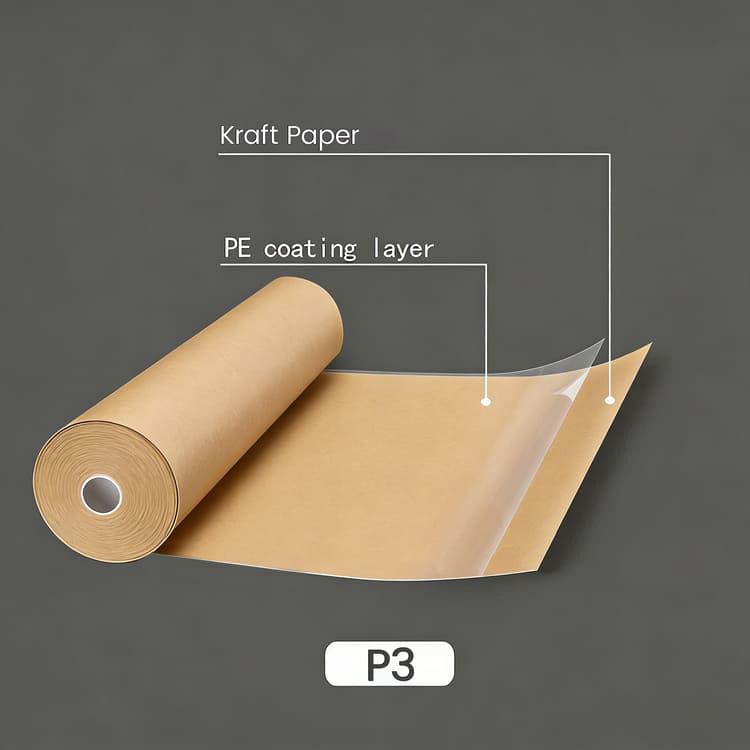
Kraft paper is often used for paper cup products that emphasize brand image and aesthetic texture.
V. Double Wall Cup Paper
Double wall cups are not made of a single type of paper, but rather a combination of two paper structures:
1. Inner Cup Paper
Typically single-layer PE white cardboard/kraft paper
Directly in contact with liquid
2. Outer Cup Paper (Cup Sleeve Paper)
Uncoated or lightly coated paper
Focusing more on stiffness and surface printing effects
3. Impact on Production Line
Requires a paper cup machine + cup sleeve machine for in-line production
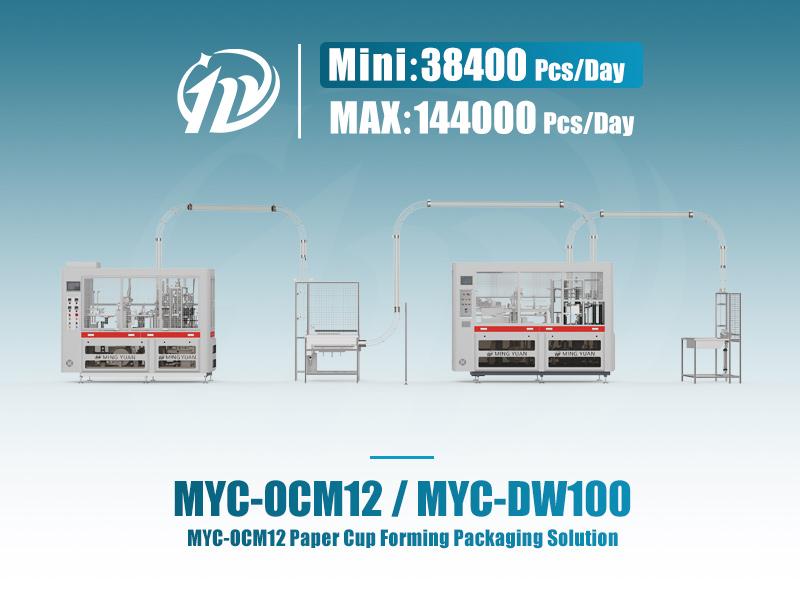
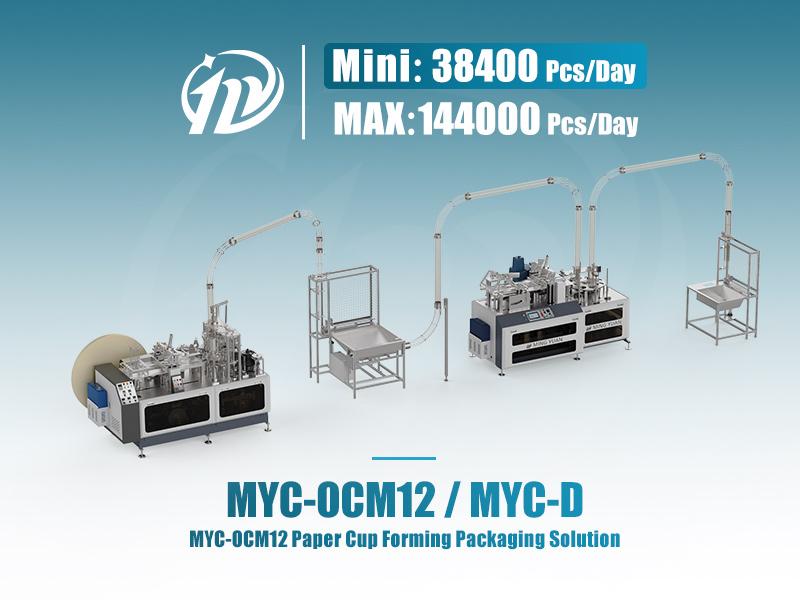
The double wall cup structure places higher demands on paper matching and equipment compatibility. For a complete production setup, review the Myc-Ocm22 Paper Cup Forming Machine And Packaging Production Line Catalog to understand how cup and sleeve machines integrate.
VI. The Relationship Between Paper Selection and Paper Cup Manufacturing Machines
From a production perspective, different paper types directly affect:
Forming temperature and pressure settings;
Mold design and dimensional accuracy;
Bottom knurling and side sealing stability;
And equipment operating speed and yield.
Therefore, when selecting paper for paper cups, it is usually necessary to consider the type of paper cup, the usage scenario, and the technical parameters of the paper cup manufacturing machine. For a deeper look at raw material fundamentals, see What are the raw materials used to produce paper cups?
VII. Buyer's Checklist for Paper Selection
Before finalizing your paper specification, prepare the following details to share with your machinery supplier:
1. Cup Specification: Confirm the finished cup type (single wall, double wall), top/bottom diameter, height, and capacity.
2. Material and Coating: Specify base paper type (virgin pulp, kraft), GSM, and PE coating structure (single or double side).
3. Usage Scenario: Define whether the cup will hold hot or cold beverages, as this determines the coating requirement.
4. Target Output: State your required production speed and daily output to match the machine's rated capacity.
5. Utilities and Layout: Provide your workshop floor plan, available voltage/frequency, and air supply capacity.
Having these parameters ready will help your supplier recommend the correct machine configuration and avoid costly trial-and-error during commissioning.



 Tel: +86-13362708280
 Email: george@paper-cupmakingmachine.com
 MP/WhatsApp: +86-13362708280
 Manufacturer Address:No.1588, Huaming Road, Feiyun Street,Ruian City Zhejiang Province -325200 China