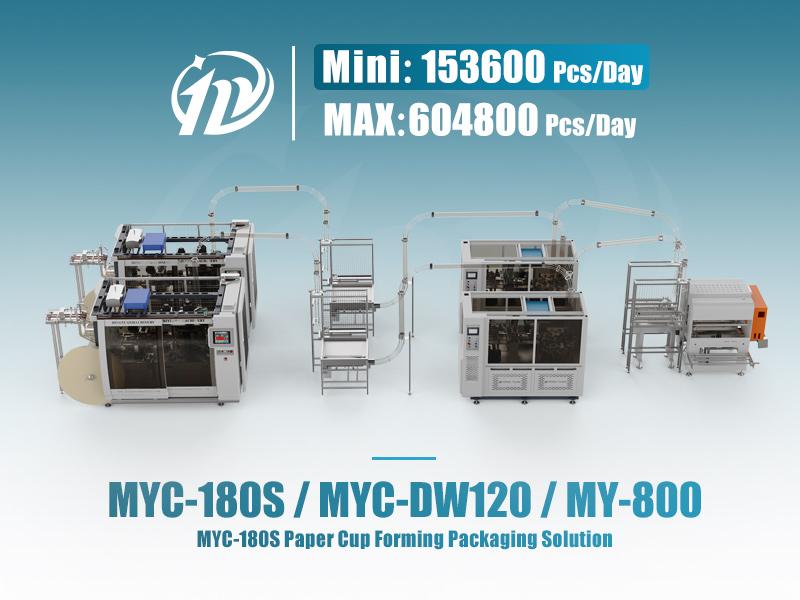
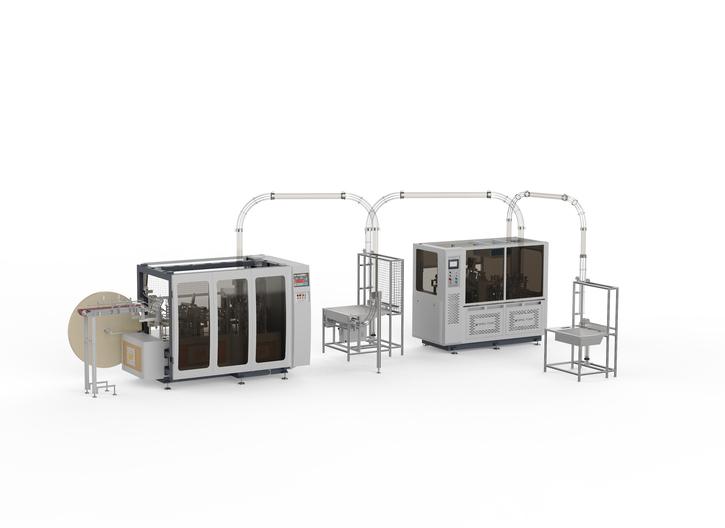
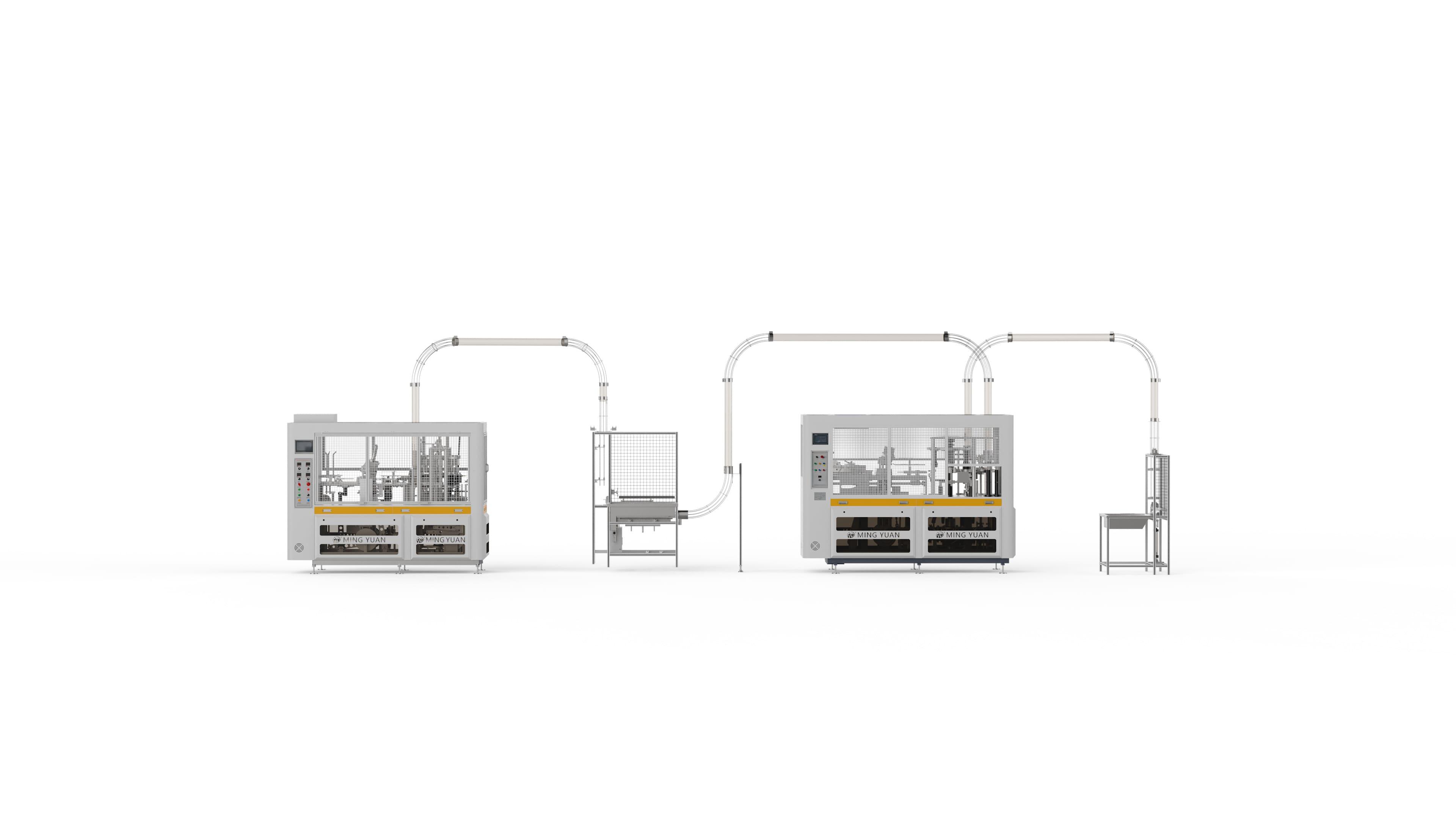
MYC-COM100 Simple style Single wall paper cup machine
A paper cup machine can produce paper cups in different sizes, and the size you choose will directly affect your market positioning and target customers. For a factory or converter planning production, understanding how capacity, cup dimensions, and machine configuration interact is the first step toward a profitable product mix.
Many beginners entering the industry do not know what cup size to produce, which can result in products that do not match market demand. This guide explains how sizes are defined, compares common options, and outlines the practical steps for choosing the right size for your paper cup production line.
1. How Are Paper Cup Sizes Defined?
Paper cup sizes are usually measured by capacity. Common units include:
- Ounces (oz)
- Milliliters (ml)
Conversion:
1 oz is approximately equal to 30 ml
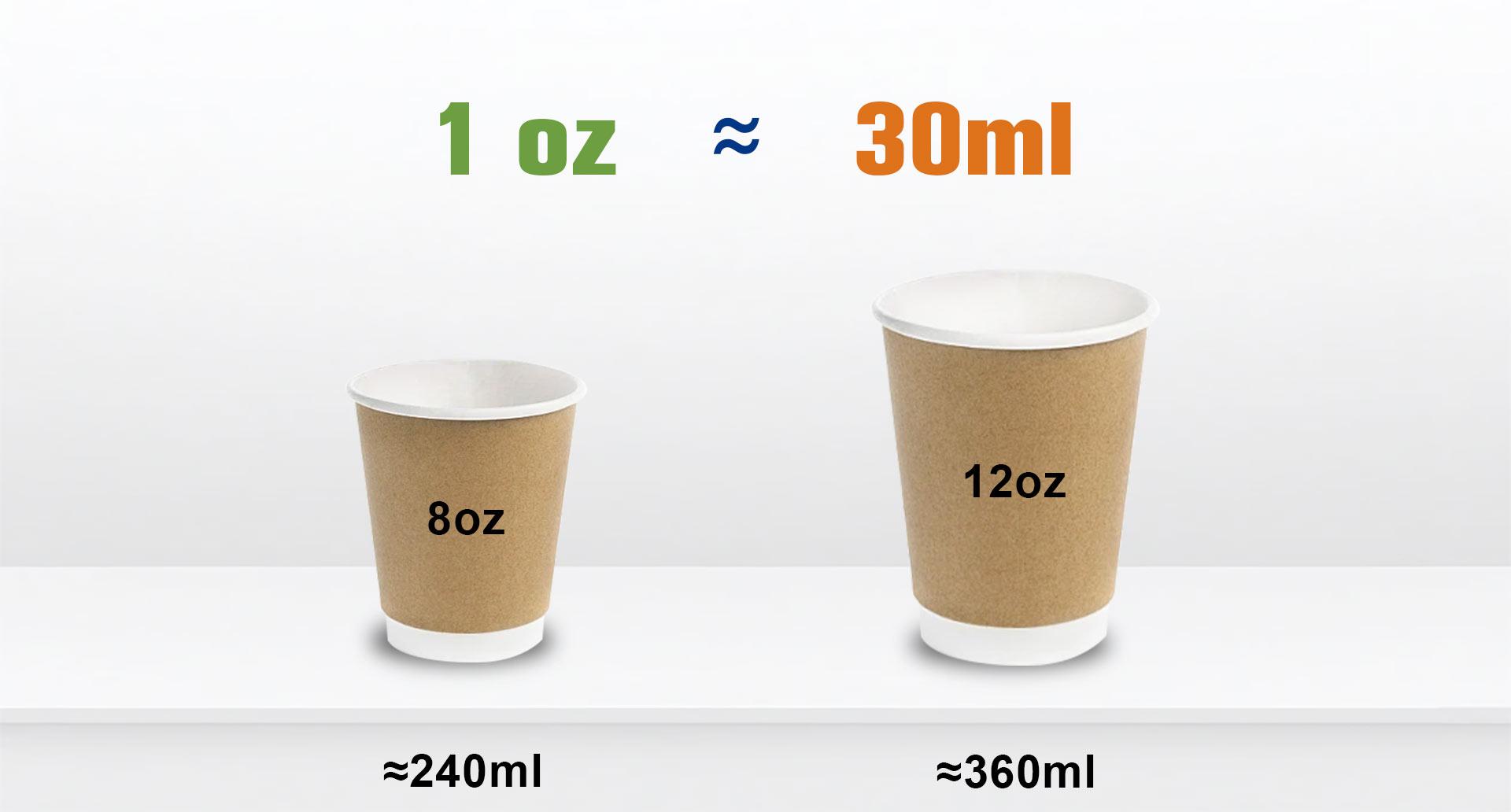
For example:
- 8 oz ≈ 240 ml
- 12 oz ≈ 360 ml
2. Common Paper Cup Sizes
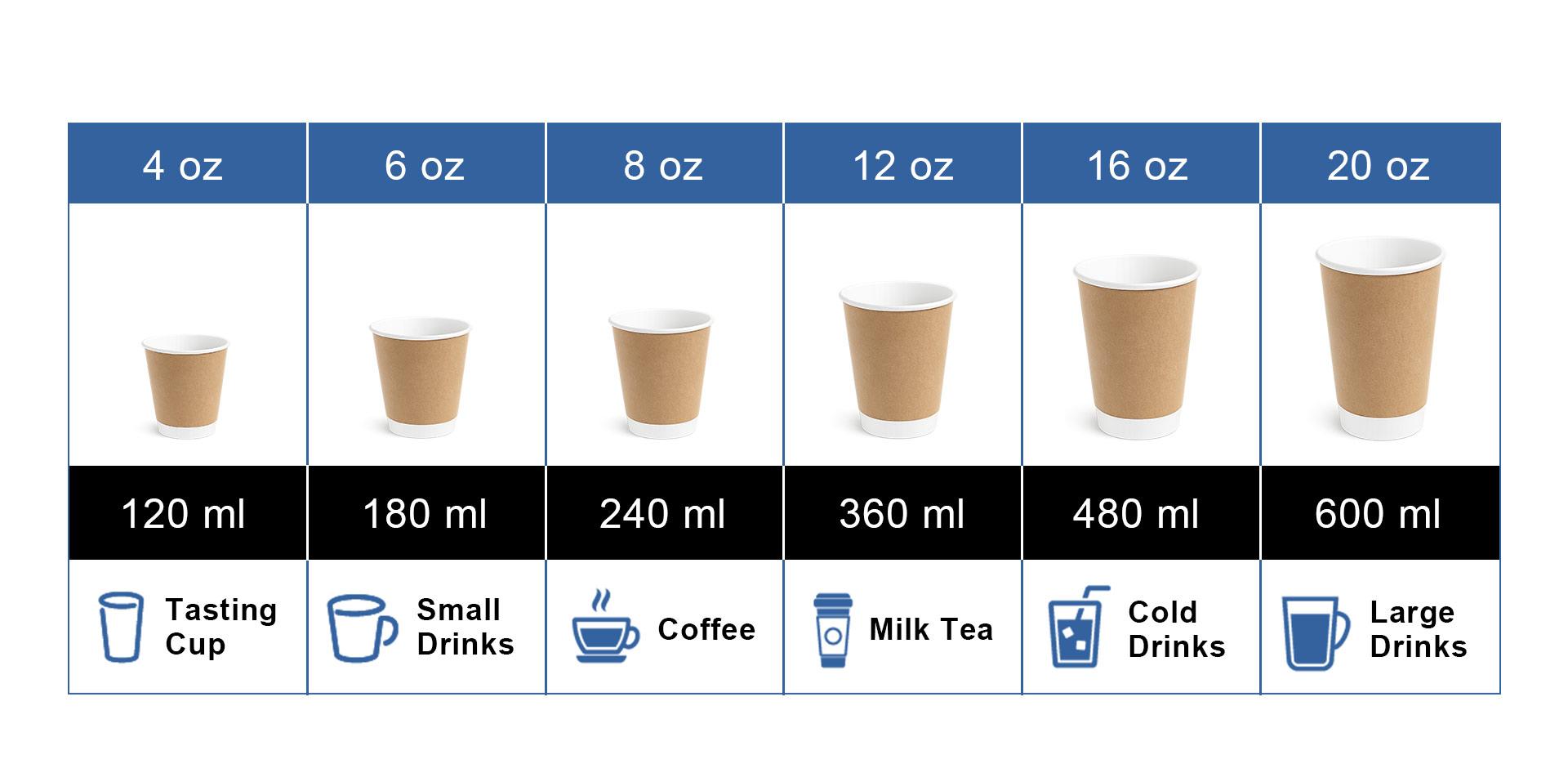
Size
|
Capacity
|
Common Use
|
4 oz
|
120 ml
|
Sampling cups
|
6 oz
|
180 ml |
Small beverages
|
8 oz
|
240 ml |
Coffee
|
12 oz
|
360 ml |
Milk tea
|
16 oz
|
480 ml |
Cold drinks
|
20 oz
|
600 ml |
Large beverages
|
Note: Popular cup sizes may vary in different countries and markets. Always confirm the standard sizes used by your target customers before finalizing your product range.
3. Application Scenarios for Different Cup Sizes
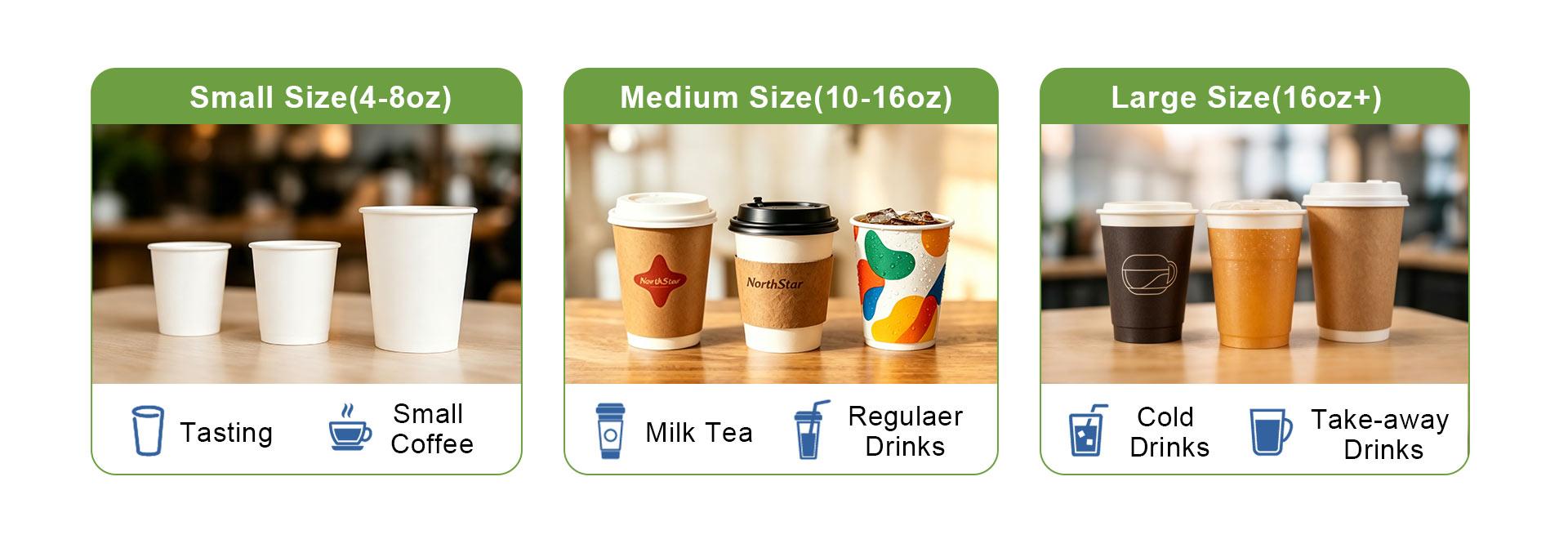
Small Paper Cups
For example: 4 oz to 8 oz
Suitable for:
- Sampling
- Small coffee cups
Features:
- Lower material cost per cup
- High consumption volume
Medium Paper Cups
For example: 10 oz to 16 oz
Suitable for:
- Milk tea
- Regular beverages
Features:
- Highest market demand in many regions
Large Paper Cups
For example: Above 16 oz
Suitable for:
- Cold drinks
- Takeaway beverages
Features:
- Higher selling price per unit
4. Relationship Between Paper Cup Sizes and Paper Cup Machines
A paper cup machine is not limited to producing only one size. Most forming machines accept a defined range of cup diameters and heights, and the actual size is set by the mold set installed on the machine.
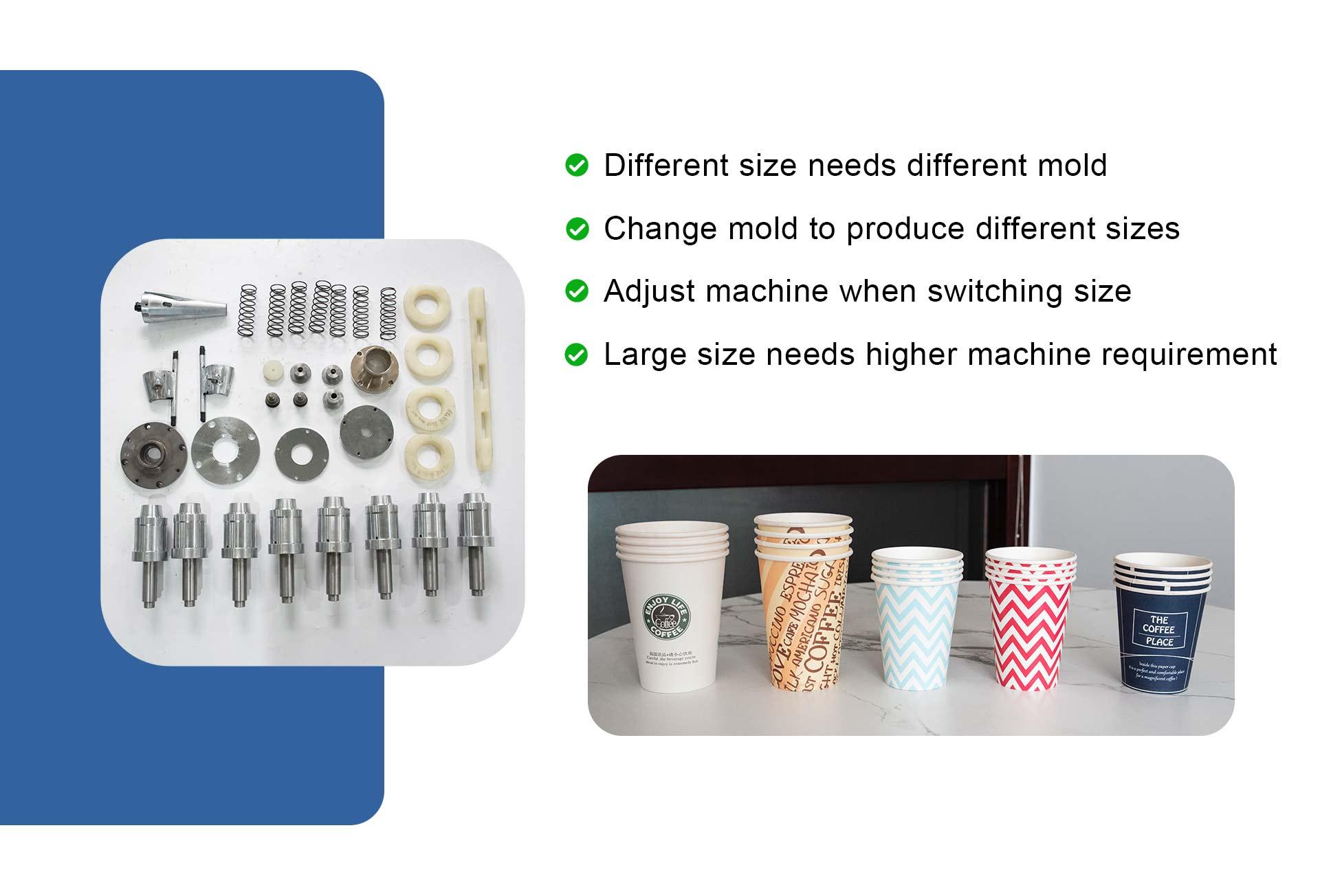
Important points:
- Different sizes require different molds
- Changing the mold allows production of different cup sizes
However, you should also note:
- Switching sizes requires machine adjustment and setup time
- Large-size paper cups require higher machine performance, including forming force and heating capacity
Before selecting a machine, confirm the cup size range it supports and the mold-change procedure. This directly affects your production flexibility and changeover efficiency.
5. How to Choose the Right Paper Cup Size
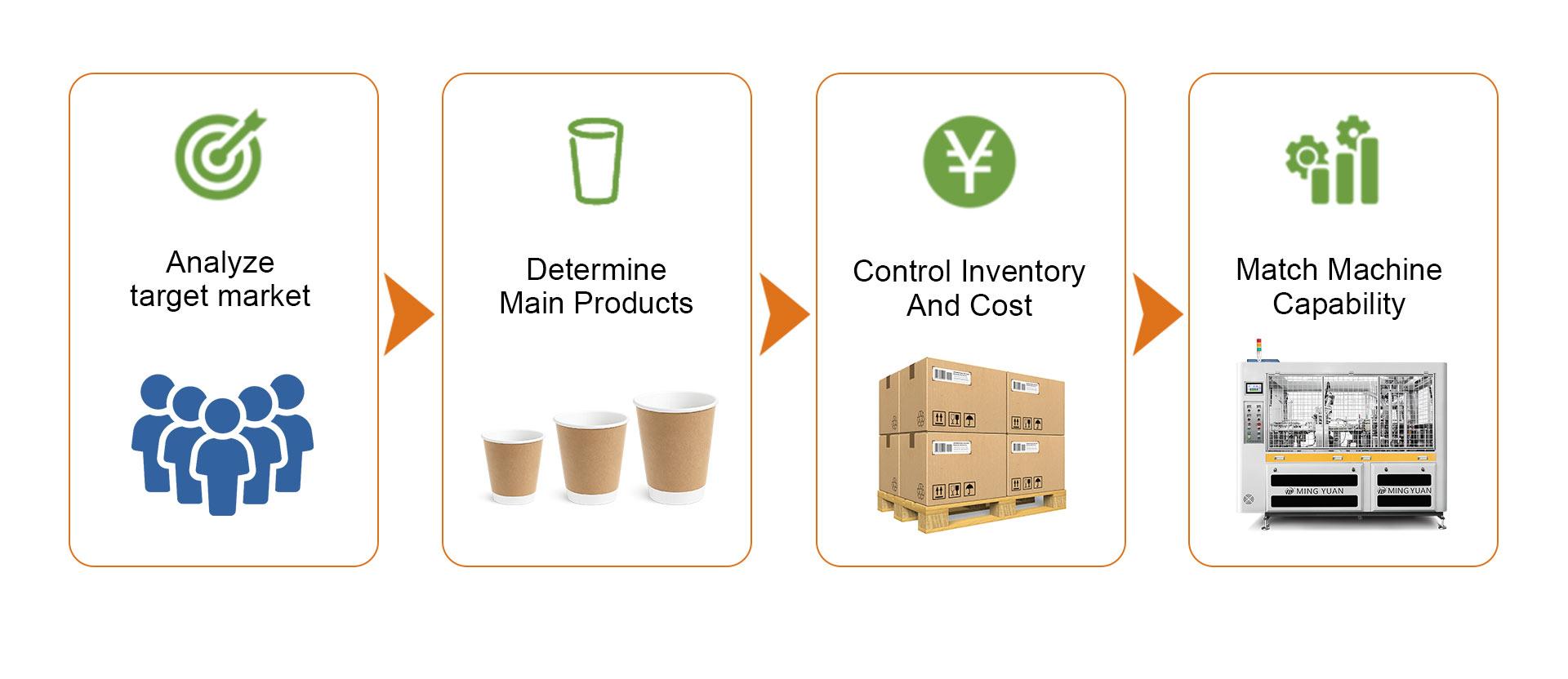
Step 1: Analyze Your Target Market
Different markets prefer different sizes:
- Coffee markets usually prefer smaller cups
- Milk tea markets usually prefer medium or large cups
Talk to distributors, café owners, or food-service buyers in your region to identify the sizes they order most frequently.
Step 2: Decide Your Main Products
For beginners, it is recommended to focus on 1 to 2 mainstream sizes first. This reduces mold investment and lets operators master the forming process before expanding the range.
Step 3: Control Inventory and Costs
The more cup sizes you produce:
- The more molds you need
- The harder inventory management becomes
Each additional size also means more printed side-wall stock and bottom roll inventory. A narrow range keeps working capital under control.
Step 4: Match the Machine Capability
Make sure your paper cup making machine can stably produce the required cup sizes at your target output. Check the machine's rated speed for each size, not just the maximum speed for the easiest size.
6. Common Mistakes Beginners Make
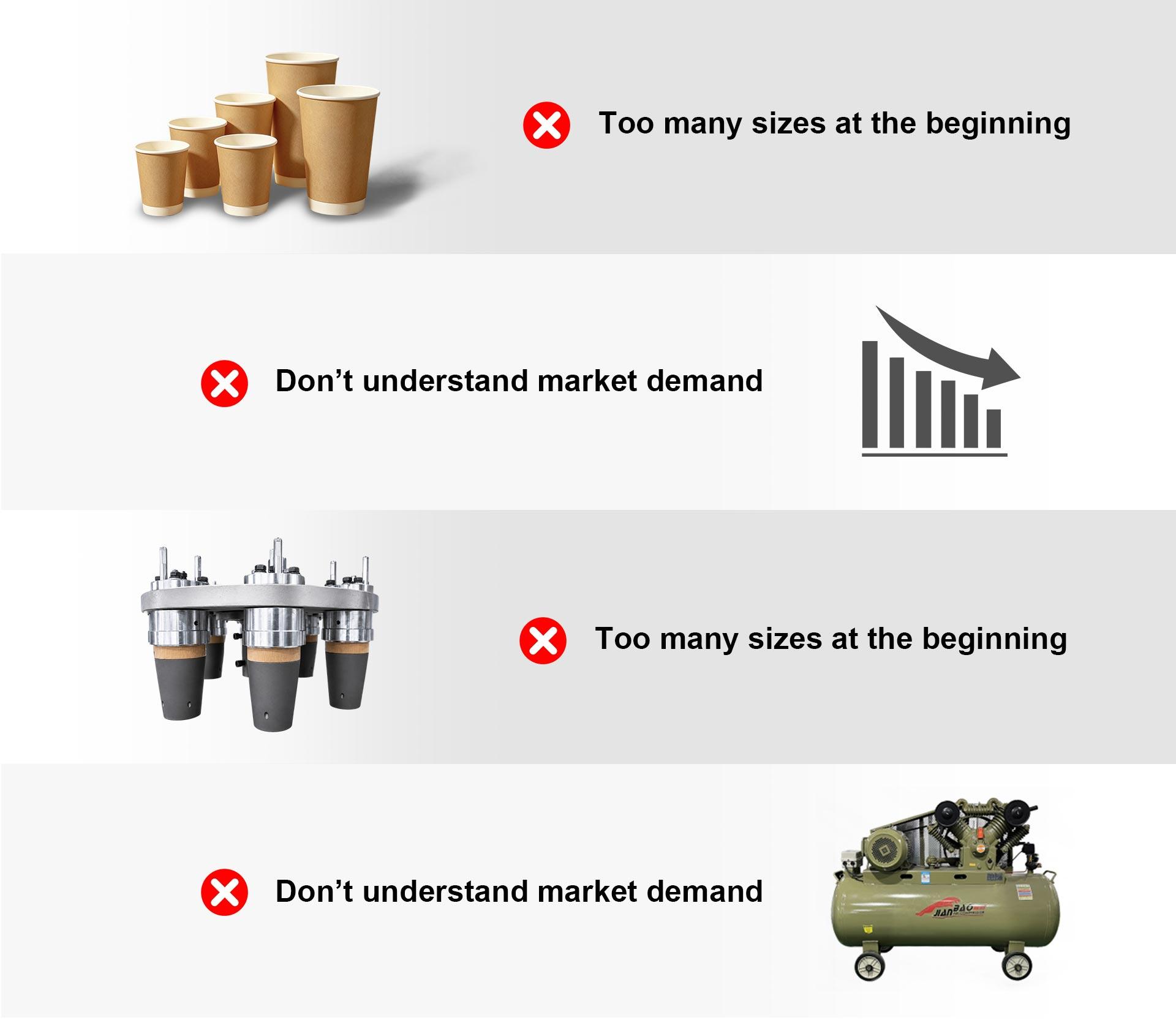
Mistake 1: Producing Too Many Sizes at the Beginning
This increases costs and operational complexity. Each size change interrupts production and requires new molds, which raises both capital and labor costs.
Mistake 2: Not Understanding Market Demand
This may result in products that are difficult to sell. Research your local market before committing to a size range.
Mistake 3: Ignoring Mold Costs
Each paper cup size requires a separate mold. Mold cost should be included in your initial budget and in the cost calculation for each new size you add.
7. Conclusion
Choosing the right paper cup size is a very important step in the paper cup business. It affects your mold budget, material purchasing, machine setup, and ultimately your ability to win repeat orders.
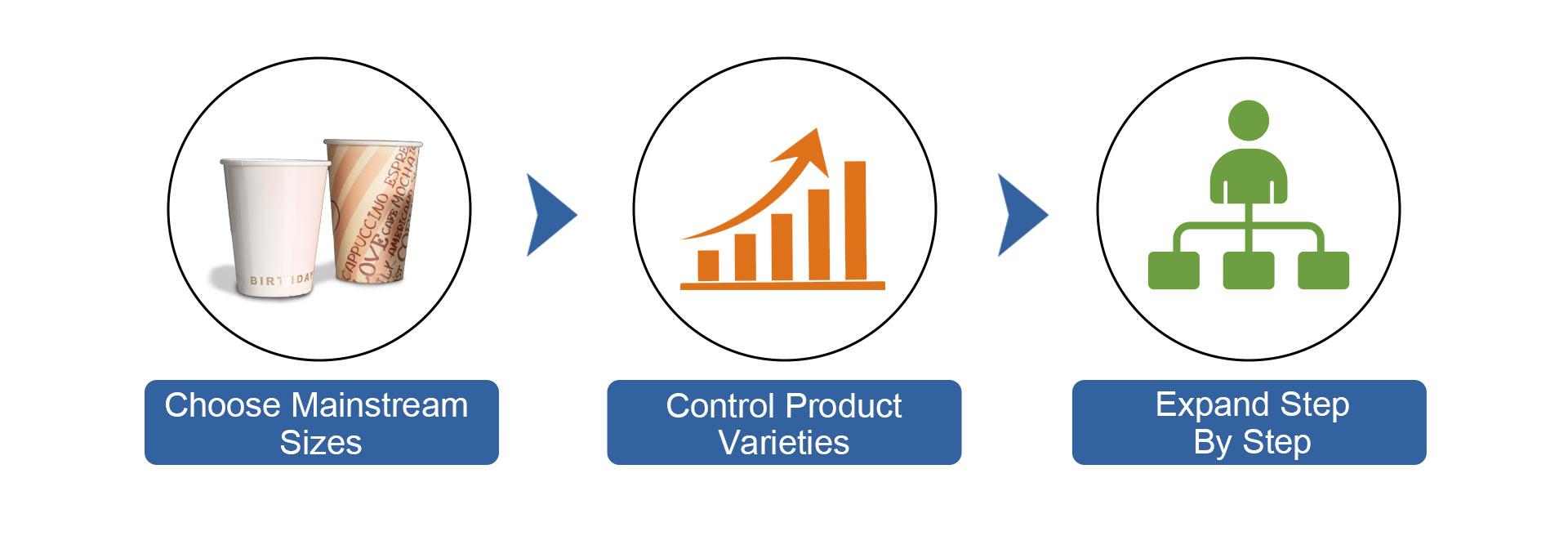
For beginners:
Choose mainstream sizes
Control the number of product types
Expand gradually
This is a safer and more practical strategy. Choosing the right sizes can help you:
- Find customers more easily
- Improve production efficiency
- Reduce inventory pressure
Before you finalize your machine choice, prepare a clear specification of the cup sizes you plan to produce, including top diameter, bottom diameter, height, and wall material. Share this with your machine supplier so they can confirm mold compatibility and stable output for your target sizes. For a broader view of machine selection, see our guide on how to choose a disposable paper cup making machine for your factory. To better understand the material requirements for your chosen cup sizes, review our overview of commonly used paper types for disposable paper cups.



 Tel: +86-13362708280
 Email: george@paper-cupmakingmachine.com
 MP/WhatsApp: +86-13362708280
 Manufacturer Address:No.1588, Huaming Road, Feiyun Street,Ruian City Zhejiang Province -325200 China